
Stainless steel coiled tubing has a vast field of applications because of its unique properties of being strong, flexible, and corrosion-resistant. This tubing finds its use in the most demanding applications, be it medical, marine, or industrial. This post will highlight the properties and manufacturing techniques for stainless steel coiled tubing, focusing on its applications and the advantages it offers across different industries.
First, we will define stainless steel coiled tubing and how it is produced, including welded versus seamless production and wall thickness considerations. Second, we will focus on applications in marine, oil, and gas industries where coiled tubing’s resistance to severe conditions is essential. We will also examine why stainless steel tubing is used in heating and cooling systems, beverage processing, and so on.
Then, we will discuss the benefits you may gain from using stainless steel coiled tubing, which include high corrosion resistance, flexibility, and long-term durability that offer protection in hostile environments and delicate operations. You will, moreover, be assisted through the selection processes of the stainless steel tubing coil and other factors such as the diameter and length of the coil and the alloy type of 304 and 316-grade stainless steel.
You will, in particular, see how stainless-steel coiled tubing is manufactured, what it is used for, and how to choose the best tubing for the desired application.
What is Stainless Steel Coiled Tubing?

What is Stainless Steel Coiled Tubing
Coiled tubing refers to stainless steel that has wound into a coil and is intended to be used in diverse industrial applications. It usually comes in two basic grades, those are 304 and 316 which are suitable mostly in environments appearing to require high corrosion resistance, relative strength and some degree of flexibility. Coiled tubing, unlike rigid pipes, can be rolled out and bent and thus is quite suitable for a broader range of applications, such as in handling fluids, gas systems, and heat exchangers.https://ssalloy-steel.com/stainless-steel-coil/
Understanding the Coil Tubing Process
Coil tubing involves developing coiled stainless steel tubing that can be easily shipped and installed in confined spaces. From what I have gathered, the coil tubing process begins with forming a long stainless steel tube through extrusion, which is then rolled up into a coil. The tubing is wire drawn by a continuous length of stainless steel, which is assured of being processed to a clean state to avoid contamination that may jeopardize the end use of the tubing.
This type of tubing is generally made in two ways: welded and seamless. The wall structure of seamless stainless steel tubing gives it the edge over its counterparts in scenarios where high pressure is encountered. Welded tubing, on the other hand, is more affordable and performs up to standard for many applications that do not involve extreme pressure. Upon formation of the coil, the tubing is usually subjected to a heat treatment process to impart the desired characteristics, such as strength and flexibility.
Key Features of Stainless Steel Tubing
Some mechanical properties of stainless steel coiled tubing that make it suitable for industrial applications are explained as follows:
Corrosion Resistance: Stainless steel is highly resistant to rust, oxidation, and many chemical reactions, so it is predominantly used in extreme conditions in the marine, chemical, and food processing industries.
304 Stainless Steel: This type can be effectively used in most indoor and outdoor plumbing, HVAC, and food processing applications since it has relatively good corrosion resistance.
316 Stainless Steel: This steel alloy is immune from chlorides and corrosion hence has many applications in the marine field or in chemical processing.
Strength: Tubing made from stainless steel has a good tensile strength, which allows it to sustain pressure without warping.
Tensile Strength (304): 515 MPa (minimum) tensile strength knowledge
Tensile Strength (316): 620 MPa (minimum)
Flexibility: Because coiled tubing is flexible, it can be uncoiled and bent for a specific application. Therefore it is useful where normal rigid pipe would be hard to fix.
Durability: Stainless steel tubing does not wear out quickly and has a long service life, even at elevated temperatures and pressure.
Temperature Resistance: Stainless steel does not lose structural form when subjected to extreme conditions and high temperatures. Such metal can easily persist in a high temperature (870°C) and a temperature environment.
Applications of Stainless Steel Coil
Due to its high strength, flexibility, and high resistance to corrosion, stainless steel coiled tubing also finds a range of applications in most industrial sectors. A few of them include:
Marine Industry: Stainless steel coiled tubing, especially 316 stainless steel, is ideal for marine plumbing, desalination, and the exchange of heat directly from salt water due to its extreme corrosion resistance.
Oil and Gas Sector: Coiled tubing is fundamentally important for downhole services, well intervention, and oilfield services in the oil and gas sector. Because the tubing can be coiled and uncoiled, deployment and retrieval are easy even in very deep or harsh environments. These operations are highly dependent on the pressure rating and material strength.
Pressure Rating: 15,000 psi (the type of wall thickness and tubing size can influence the pressure constraint).
Heating and Cooling Systems: High-wear and tear coiled tubing, such as cooling, heat exchanger, and boiler tubes, is constructed with stainless steel due to its high temperature resistance, as well as scale and corrosion resistance.
Beverage and Food Processing: Coiled stainless steel tubing is employed integrally in the beverage and food industry in food and beverage systems where hygienic material resistant to rust and contamination is demanded. This is deployed in liquid transfer systems, brewing systems, and cold beverage lines. Stainless steel 304 is often used in these cases, considering it is food-grade.
Medical and Pharmaceutical Applications: Due to its biocompatibility, corrosion resistance, and ease of sterilization, stainless steel coiled tubing is employed in medical devices and pharmaceutical productions, as well as ‘IV lines’.
Chemical Processing: During chemical production, a coiled form of stainless steel tubing is used for piping systems that carry corrosive chemicals, solvents, and acids. 316 stainless steel is the metal of choice as it exhibits better corrosion resistance.
Based on the application requirements, such as pressure, temperature, and environment, I can choose the fitting stainless steel coil for the job.
How is Stainless Steel Tubing Coil Manufactured?
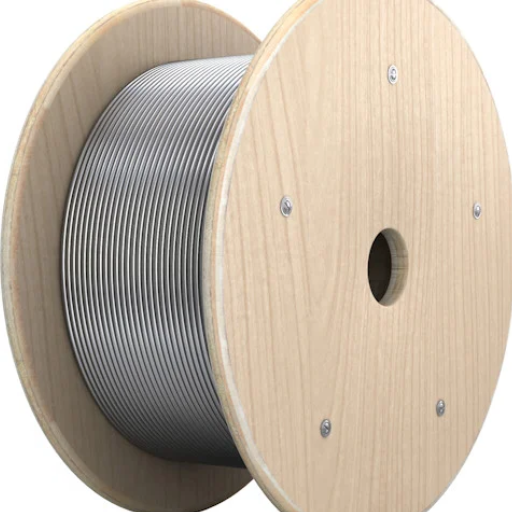
How is Stainless Steel Tubing Coil Manufactured
The first stage in coiled stainless steel tubing manufacture is the extrusion or drawing of a stainless steel billet into a tube. The tubing is then coped into a coil with steps administered to enhance the cohesion of the tube-shaped coil’s diameter and wall thickness. Post-tubing coiling may be subjected to thermal processing to relieve stress, improve strength, and increase flexibility. A last cleaning and polishing of the coil is often performed, and a visual inspection for defects is carried out to ensure that the unit conforms to the requirements.
Stainless steel tubing can be produced using two main techniques.
Welded Tubing: Lapping edges of a flat stainless steel strip, which is then rolled into a tube, is welded. This is a cheap method that is useful in some applications.
Seamless Tubing: Formed from the extrusion of a solid billet into a hollow tube without any welded joints. This provides an extreme and reliable tube that is useful in high-pressure applications.https://ssalloy-steel.com/blog/top-9-stainless-steel-manufacturers-globally-industry-leaders-and-innovations/
The Role of Weld and Seamless Production
The industry uses two types of stainless steel tubing coils: welded and seamless. Some boundaries limit either type’s usage. Here’s my take on the two items in question:
Welded Tubing: A welded tubing has been formed to join the stopping ends around a straight bar and create a tubing out of a welded seam. This type of tubing offers cost efficiency and a high budget, and it is applicable when considering tubes that would be exposed to low stress. These are tubes that fall under Food. Other sectors include HVAC and plumbing.
Advantage: Cost-friendly, industry-standard applications. Less time production.
Disadvantages: In severe situations, the welded tubing cannot be considered a reliable source because the welded seams might not end up performing well
Seamless Tubing: Tubes of this kind do not contain weld seams because they are drawn and extruded from a solid billet. As the name implies, Seamless tubing lies somewhere above the clouds. It is employed in high-performance, extreme-pressure, and even-stress applications, such as oil and gas drilling and aerospace, to name a few, to provide protection.
Advantage: Strong and extremely durable, no seams amidst tubes, and greater performance in high force.
Disadvantage: If one opts for seamless tubes, it is costlier, and takes a longer process time.
For high-stress applications, my personal bias cannot be hidden. I tend to lean towards seamless tubing, which is also constantly said to be strong and consistent.
Determining Wall Thickness and Outer Diameter
Wall thickness and the outer diameter of stainless steel tubing coils are two determinants that affect the strength, pressure rating, and applicability of the tubing. So this is how I see these factors:
Wall Thickness: The thicker the wall, the greater the pressure the tubing can possess. I would expect seamless tubing with a wall thickness of 0.035 inches for a general industrial situation. However, I would use between 0.065-inch and 0.120-inch thicknesses for oil and gas applications since the application is quite severe.
Common Wall Thickness Range: 0.035 inch to 0.120 inch
Outer Diameter: The outer diameter of the tubing will be determined based on the space and other equipment requirements. Stainless steel tubing is manufactured with nominal diameters ranging from 1/8 inch to 6 inches or more. The right diameter is very important, as missing the right one will lead to improper connections with fittings and equipment and cross-flow between liquids or gases.
Common Outer Diameter Range: 1/8 inch to 6 inches
Also, with respect to wall thickness and outer diameter, I pay attention to the tensile strength of the tubes 304 and 316 stainless steel, which can be 515 MPa and 620 MPa, respectively.
Quality Control and Specification Standards
To maintain high quality and consistent coiled stainless steel tubing qc, it is necessary to develop integrated quality assurance (QA) measures and comply with specification standards. This inverse relationship allows me to be focused on the following:
Material Characteristics: The grade of tubing is determined using an optical emission spectrometer, which ensures that it is one of the targeted grades, such as 304 or 316 for stainless steel. This guarantees that corrosion prevention measures are prioritized during production, including for chemicals and marine conditions.
Parameters Measurement: chemical composition, hardness, tensile stress, elongation
Visual Control and Measurement: The weld seems to have any surface deformations or dimensional deviations, and, in the case of the seams—tolerances are subject to control. The measurements allow confirming the outer diameter and the tubes’ wall thickness to the specified tolerances.
Conventional tolerances: outer diameter Tolerance ± 0.002 inches wall Tolerance ± 0.005 inches thickness
Dw Pressure: Pressure is often considered a primary force; the pounds potentially available to sustain impairment of an actual bore are great pressure application-rated tubing.
Postage rating: It depends on thickness and material, but generally, 316 stainless steel can average a pressure rating of 15000 psi.
Certification Codes: Wholly welded and seamless tubing and the combined outer SA 269 may all be made of basic metals, as recommended by international guidelines issued by certain concept authorities who release COMITE or CSLE.
With strict quality assurance practices and standards in place, manufacturers can ensure that the stainless steel tubing will meet customer expectations and perform its functions safely in the given applications.
What Are the Advantages of Using Stainless Steel Coiled Tubing?
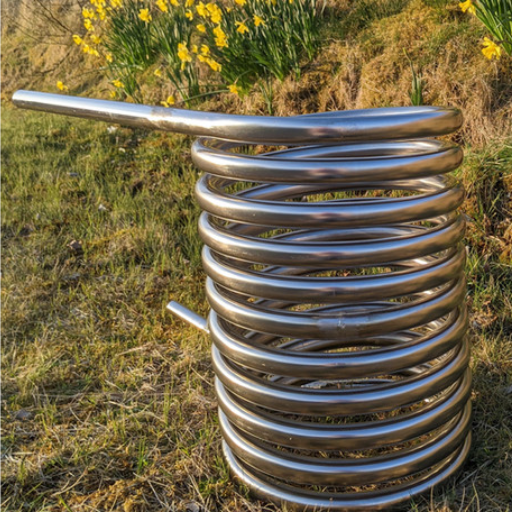
What Are the Advantages of Using Stainless Steel Coiled Tubing
Stainless steel coiled tubing offers several key advantages, making it an ideal choice for many industrial applications:
High Corrosion Resistance: Stainless steel, especially grades like 304 and 316, is highly resistant to corrosion, making it suitable for use in harsh environments, such as those in marine, chemical, and food processing industries.
Flexibility and Ease of Installation: The tubing’s coiled form allows it to be unrolled and easily bent, providing significant flexibility for installation in tight spaces and difficult-to-reach areas, such as in oilfield operations or heating systems.
Durability: Stainless steel is known for its long-lasting durability. It can withstand high pressures, extreme temperatures, and mechanical stresses without degrading over time.
Cost-Effectiveness: Despite its high performance, stainless steel coiled tubing is often cost-effective compared to other materials, especially in high-performance applications.
Versatility: Coiled tubing is used across many industries, from marine to medical, making it one of the most versatile.
High Corrosion Resistance in Corrosive Environments
An outstanding attribute of the stainless steel coiled tubing is formulated with excellent resistance against corrosion, especially in the areas that are prone to the actions of corrosive agents, which can deteriorate metal parts. Corrosion-resistant stainless steel alloys such as 316 stainless steel find application in conditions with higher chances of ‘chloride’ presence; for example, corrosion is more prominent in marine or saltwater areas.
The basis for resistance to rust and corrosion lies in chromium because it can produce a passive oxide layer on the surface of materials. This layer is a barrier that prevents further oxidation or corrosion from penetrating further into the metal. For instance:
316 stainless steel contains superior qualities that are resistant to chlorides and can tolerate salts, acids, and alkalies over time without erosion.
Applications such as offshore oil drilling rigs, sea water desalination plants, and food plants use stainless steel coiled tubing to achieve reliability and the ability to function over an extended period, minimizing maintenance costs and the need to frequently change it.
Flexibility and Versatility in Tube Coil Applications
Stain steel is one of the most preferred coiled tubing materials for use in multiple industries due to its circuitry flexibility. The tubing comes in a coiled format and can thus be extended and bent in appropriate directions without causing damage to the structure. Thus, it is widely applied in industries where there are space constraints, like downhole work, HVAC, or heating and cooling systems.
Since coiled tubing can be used for liquid or gas transfer, chemical injection, and more, the scope of applications is quite wide. From shipbuilding to the pharmaceutical industry and even the energy sector, the combination of flexible applications and different systems makes stainless steel flexible tubes irreplaceable.
Diameter Range: Stainless steel coiled tubing can be obtained with an outer diameter ranging from 1/8 inch to 6 inches, which makes it applicable in many instances.
Wall Thickness: The most common wall thickness is 0.035 inches and above, which may reach over 0.120 inches depending on the use pressure and environmental conditions of the tubing.
This versatility, along with its high strength, makes coiled tubing an excellent choice, especially when the installations are complex and inflexible. Thee pipe and its associated systems will not be suitable.
Longevity and Durability of Stainless Steel Tubing
A significant advantage of stainless steel coiled tubing is its durability, which helps with long-term investment costs. Due to its resistance to corrosion, wear, and high pressure, the tubing does not need frequent replacement.
To my knowledge, type 304 stainless steel is a perfect grade for industrial applications as it suits a broad spectrum of possible environments. For more demanding applications, like exposure to extreme corrosion environments or extreme temperatures, 316 stainless steel is the best alternative.
Furthermore, the 304 and 316 stainless steel’s tensile strength, up to 515 MPa and 620 MPa, respectively, implies that the tubing will not weaken under severe stress. Hence, the tubing can be used in critical places such as oil and gas, aerospace, and marine applications.
I have experienced that stainless steel coiled tubing does not require frequent maintenance because of its durability. Thus, system failures resulting in expensive downtime are avoided. It also has mechanical fatigue resistance, which further improves its longevity. Thus, proper maintenance can make these tubes usable for decades.
Where Can Coiled Stainless Steel Tubing Be Applied?
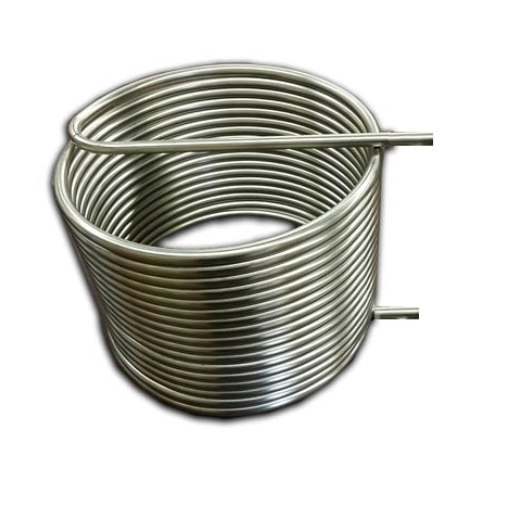
Where Can Coiled Stainless Steel Tubing Be Applied
Stainless steel coiled tubing is used in various industries due to its flexibility, corrosion resistance, and durability. The primary sectors include:
Marine Industry: Due to its excellent resistance to saltwater corrosion, stainless steel coiled tubing is widely used in offshore oil rigs, shipbuilding, and desalination plants.
Beverage Industry: Stainless steel-coiled tubing is essential for transferring liquids in bottling plants, ensuring hygiene and corrosion resistance when handling high-volume products like juices, sodas, and alcoholic beverages.
Heating and Cooling Systems: Its flexibility makes it ideal for radiant heating systems and cooling coils, particularly in applications requiring complex installations or tight spaces.
Gas and Oil Sectors: Due to its strength and high-pressure resistance, stainless steel coiled tubing plays a vital role in drilling operations, well intervention, and transportation of hydrocarbons.
Pharmaceutical and Food Processing: Stainless steel tubing is crucial in clean, contaminant-free environments, ensuring the safe transportation of chemicals and ingredients.
Utilization in Marine and Beverage Industries
Stainless steel coiled tubing is an essential part of the marine industry since it is highly resistant to corrosion, particularly when submerged in saltwater or a sea with a high chloride concentration. Over the years, I’ve noted that 316L stainless steel, owing to its excellent corrosion resistance, is a common material used in marine heat exchangers, cooling systems, and vessel construction.
Marine applications: Stainless steel coils are used in cooling systems, water filtration, and pipes resistant to corrosion in offshore and marine vessels.
In the beverage industry, stainless steel coiled tubing is significant in maintaining the hygienic environment where beverages are produced and transported. Coiled tubing allows for easy integration into bottling systems and the clean and safe transfer of liquids, including beer, soda, and juices, while greatly reducing the possibility of contamination.
Beverage Applications: Stainless steel coiled tubing is used in beer brewing systems, carbonated production, and other systems requiring pumping or sanitization of quality liquids.
Role in Heating and Cooling Systems
Stainless steel coiled tubing is a necessary component for heating and cooling systems because it is thermally conductive and flexible. I have observed that it is most beneficial in systems with tight radius bends or those occupying limited space, such as radiant heaters and geothermal heat pump units.
Heating: In hydronic radiant floor heating, stainless steel coils can be embedded in floors or walls to deliver heat evenly, providing an effective and energy-efficient heating system.
Cooling: The tubing has excellent corrosion resistance, which makes it suitable for use in high-humidity environments, such as cooling coils in air conditioning Chiller, condenser, and evaporator systems.
Typical technical parameters include:
Outer Diameter: Used in small systems with a diameter of 1/8 inch to 1 inch, large diameter systems are functional in industrial applications.
Wall Thickness: Depending on the pressure and fluid characteristics, the wall thickness will typically range from 0.035 inches to 0.120 inches.
Applications in Gas and Oil Sectors
In the gas and oil sectors, stainless steel coiled tubing is critical for downhole operations, well intervention, and hydrocarbon transport. The tubing’s strength, flexibility, and resistance to high pressures make it ideal for these demanding environments.
I’ve found that 316 stainless steel is frequently used in well drilling because it provides excellent resistance to high temperatures and corrosive gases, such as sulfur and carbon dioxide. Stainless steel coiled tubing is often used in:
Coiled tubing drilling (CTD): For efficient and cost-effective drilling.
Well intervention: To repair or enhance the performance of oil or gas wells.
Hydrocarbon transfer: Stainless steel tubing is often used for transporting gas, oil, and chemical fluids at high pressures and temperatures.
Pressure Ratings: Stainless steel tubing can typically handle pressures from 5,000 to 15,000 psi depending on wall thickness and diameter.
Temperature Range: In some configurations, tubing can withstand temperatures ranging from -50°F to 1,200°F, making it suitable for high-temperature operations.
Stainless steel coiled tubing’s ability to operate under high mechanical stress and severe corrosive conditions makes it indispensable for ensuring the safety and efficiency of operations in the gas and oil industry.
How to Choose the Right Stainless Steel Tubing Coil?
How is Stainless Steel Tubing Coil Manufactured
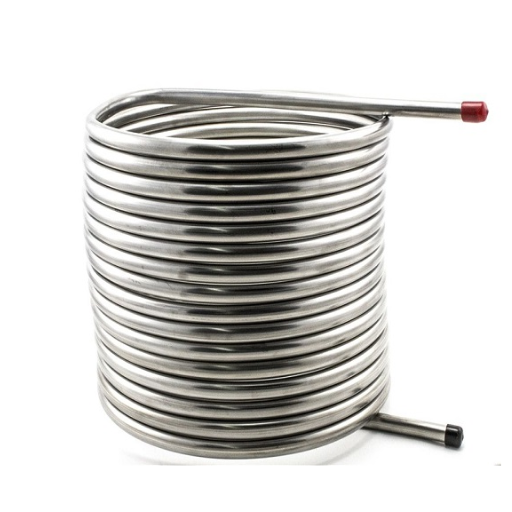
How to Choose the Right Stainless Steel Tubing Coil
What Are the Advantages of Using Stainless Steel Coiled Tubing
Where Can Coiled Stainless Steel Tubing Be Applied
When choosing the right stainless steel tubing coil, several key factors must be considered to ensure optimal performance for your specific application. here’s how I would approach this decision:
Material Type (Alloy): Choosing between 304 and 316 stainless steel will depend on the environment. For general applications, 304 is sufficient, but if the tubing will be exposed to more corrosive environments, such as chloride-rich or marine applications, 316 stainless steel offers superior corrosion resistance.
Diameter and Length: You must determine the appropriate diameter and length depending on the installation and application. Larger diameters and longer lengths are typically required for industrial systems like heating or cooling.
Wall Thickness: Thicker walls are essential for high-pressure fluids or gases, whereas thinner walls are suitable for lighter applications.
Flexibility vs. Rigid Requirements: The flexibility you need in the tubing also affects your choice. Coiled tubing is preferred for projects requiring tight bends or complex installations.
Temperature and Pressure Resistance: Assess the system’s temperature and pressure conditions. 316 stainless steel generally handles higher temperatures and pressures better than 304 stainless steel.
Application Specifics: Consider the application’s specific needs, such as fluid or gas transfer, chemical resistance, or thermal conductivity.
Factors to Consider: Length, Diameter, and Alloy
When selecting stainless steel tubing coils, I’ve found that length, diameter, and alloy type are some of the most critical factors to get right for optimal performance:
Length: You must determine how much tubing you will need for your project. Some suppliers offer custom lengths, but standard coil lengths typically range from 50 feet to 1,000 feet or more. Longer lengths are useful for continuous, uninterrupted installations, especially in industries like heating and cooling or gas and oil.
Diameter: The diameter depends on the application’s flow rate and pressure requirements. For example, a typical 1/4 inch diameter tubing may be sufficient for low-flow, low-pressure systems like medical gas lines. In contrast, larger diameters (e.g., 1 inch or more) are used for industrial heating or oil and gas transport.
Alloy Type: The alloy type is crucial to ensure the tubing meets the chemical and environmental resistance needed. For example:
- 304 Stainless Steel: Good for general industrial applications and food processing.
- 316 Stainless Steel is bestfor marine environments, offshore oil rigs, and chemical manufacturing, as it offers better corrosion resistance.
Understanding 304 vs. 316 Stainless Steel
Both 304 and 316 stainless steel are popular alloys, but they differ significantly in terms of corrosion resistance and cost. Here’s a breakdown of how I understand these alloys based on my research:
304 Stainless Steel:
-
- Composition: Composed of approximately 18% chromium and 8% nickel.
- Corrosion Resistance: Resistant to corrosion in many environments but may be susceptible to chlorides and salts.
- Common Uses: Used in food processing, brewing, and general industrial applications.
- Tensile Strength: Around 515 MPa (74,800 psi).
- Cost: More affordable compared to 316.
316 Stainless Steel:
-
- Composition: It contains about 16% chromium, 10% nickel, and 2% molybdenum, which enhances its resistance to corrosion.
- Corrosion Resistance: This product is excellent for highly corrosive environments, especially where chlorides or acids are present, such as marine environments or chemical processing.
- Common Uses: Ideal for offshore oil rigs, marine applications, and environments where resistance to chlorine and saltwater is critical.
- Tensile Strength: Around 620 MPa (90,000 psi).
- Cost: More expensive due to enhanced durability and corrosion resistance.
The 316 stainless steel alloy significantly improves corrosion resistance, especially in marine, chemical, and highly acidic environments, making it the preferred choice for more demanding applications. If the tubing will be exposed to chlorides (salt), 316 is the go-to choice.
Consulting with Experts for Custom Fitting
Consulting with experts can be very beneficial when choosing custom stainless steel tubing coils. An expert can help you choose the right diameter, length, and alloy based on your specific application and environmental conditions.
Custom Lengths: If your project requires a specific tubing length that is not readily available, experts can advise you on custom cutting options to ensure the right fit for your installation. Some suppliers offer custom coils in lengths ranging from 100 feet to several thousand feet.
Diameter Selection: The suitable diameter depends on factors such as the flow rate, pressure requirements, and the space available for installation. Experts can help you determine the optimal size, which ensures efficient flow and avoids clogs or inefficiencies.
Alloy Considerations: Depending on the application, an expert can recommend the appropriate alloy (304 vs. 316) or even suggest other specialty alloys based on your need for corrosion resistance, high-temperature endurance, and mechanical strength.
Application-Specific Fittings: Consulting with experts can also help you select custom fittings or bends for complex installations, such as downhole operations, cooling coils, or chemical pipelines, ensuring that your system operates efficiently and safely.
Frequently Asked Questions (FAQ)
Q: What are the primary benefits of using stainless steel coiled tubing?
A: Stainless steel coiled tubing offers excellent corrosion resistance, high tensile strength, and durability. It is ideal for reducing installation time and eliminating the need for multiple connections, making it efficient for various applications.
Q: How does 304 stainless steel differ from other types of stainless steel?
A: 304 stainless steel, commonly used in coiled tubing, provides excellent corrosion resistance, is malleable, and withstands high temperatures, making it suitable for diverse industrial applications, unlike some other types which may not offer the same level of performance.
Q: Can I use stainless steel coiled tubing for a DIY project?
A: Yes, stainless steel coiled tubing is ideal for DIY projects due to its flexibility and ease of use. It can be shaped and formed to meet specific requirements, making it versatile for various applications.
Q: What applications are stainless steel coiled tubes commonly used for?
A: Stainless steel coiled tubes are commonly used in marine applications, hydraulic systems, heating coils, and as wort chillers in brewing. They are also used for natural gas lines and in industries requiring high-performance tubing solutions.
Q: What is the significance of the 0.75 od specification in coiled tubing?
A: The 0.75 od (outer diameter) specification is crucial for ensuring the tubing fits specific applications and meets precise engineering tolerances. It helps in achieving the desired flow rates and pressure requirements in various systems.
Q: How does welded stainless steel tubing compare to seamless tubing?
A: Welded stainless steel tubing is generally more cost-effective and suitable for applications where high-pressure resistance is not critical. Seamless tubing, however, provides higher strength and is used in applications where safety and performance are paramount.
Q: What lengths are available for stainless steel coiled tubing?
A: Stainless steel coiled tubing is available in various lengths, including 50ft and 100ft coils, which can be tailored to meet the needs of specific projects or applications.
Q: Why is nickel added to stainless steel coiled tubing?
A: Nickel is added to stainless steel to enhance its corrosion resistance and toughness, making it more suitable for harsh environments and increasing its overall durability.
Q: How can I ensure the tubing meets ASTM standards?
A: To ensure that the tubing meets ASTM standards, it is essential to purchase from reputable suppliers who stock both seamless and welded options and provide certification of compliance with these international standards.
Q: Who should I contact for more information about stainless steel coiled tubing?
A: For further information about stainless steel coiled tubing, feel free to contact us. Our experts can provide detailed insights and help you select the right tubing for your specific needs.
Recent Comments