
Nylon 66, or its code ‘PA66’, is a multi-purpose nylon plastic considered one of the most widely utilized. In this paperwork, we will thoroughly explain its components, how it is manufactured, its chemical characteristics, mechanical properties, and applications. Hopefully, after reading this article, you will have an elaborate comprehension of PA66.
So, to get an overview of PA66 manufacturing, first understand its name and then speak about amatella fibers. It will be better first to see how polymerization works, how PA66 is formed, and the basic principles of constructing Nylon 66.
Following this, we will examine PA66’s tensile strength, shrinkage, and resilience to abrasion. By reviewing these properties, we can analyze how strong and durable the material is.
Exploring PA66’s chemical resistance characteristics aids in evaluating its worth in different uses and applications. We have analyzed its heat, chemicals, and moisture resistance to explain how and where the material can be used.
To conclude, we will cover the many applications of PA66 in several industries, focusing on the auto motive nylon applications and some more common nylon products. We will also cover how this material is used in injection molding, making it easier and more versatile.
On the whole, this article aims to support readers in having a better understanding of PA66 and its applications. Therefore, for practitioners and amateurs in the field of nylon plastics, this article shall help widen the horizon of PA66’s understanding. So, let’s go ahead and see what this Nylon 66 substance is all about!https://pom-material.com/blog/pa66-mf40/
What is Nylon 66, and How is it Made?
What is Nylon 66, and How is it Made
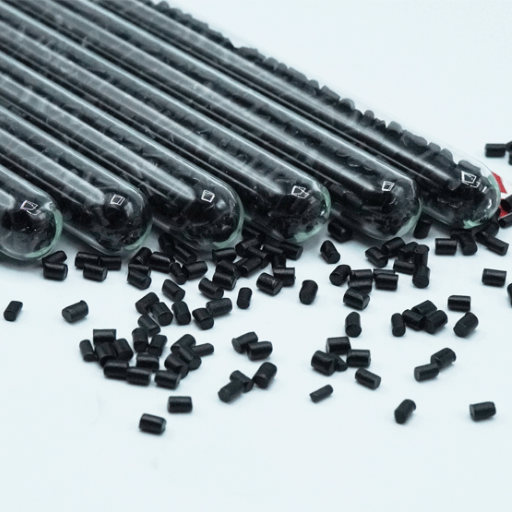
Polyamide 66, or simply Nylon 66, is regarded as one of the most valuable and common plastics in Engineering. This is achieved by two reacting monomers, which include adipic acid and hexamethylene diamine, during specific temperature and pressure conditions in a procedure known as polymerization. This process then proceeds to build a chain, resulting in the existence of Nylon 66 through polymerization. The basic structure of polyamide 66 (PA66) consists of long-chain polyamide molecules, an aspect suggesting its properties. The strength of Nylon 66 is said to be excellent compared to other polyamides while also noting dimensional stability and general resistance to abrasions, placing it in a good position to be applied in different industries. The structural characteristics and physical and chemical properties have differentiated this type from other polyamides, for instance, Nylon 6; thus, it is favored for more complex work.
What are the Key Components of PA66?
The components that make up PA66 or Nylon 66 include adipic acid or hexamethylene diamine. Adipic acid is a dicarboxylic acid, and hexamethylenediamine is a di-amine compound. The two monomers are combined through a process known as polymerization, and thus, Nylon 66 is created. This polymerization reaction takes place under certain temperature and pressure conditions, leading to the formation of long-chain polyamide molecules that comprise Nylon 66 and grant it its unique features.
Low swelling properties in organic solvents are why Nylon 66 nylon materials have significant applications in modern engineering. Additionally, the polymer has excellent mechanical strength, dimensional stability, and abrasion resistance. These properties make it a good candidate for various applications in manufacturing Nylon 66 products, such as automotive parts, electrical connectors, consumer goods, and many more. It has superior structure and performance characteristics compared to other kinds of polyamides, such as nylon 6.
Understanding the materials of construction and essential features of elastic types of PA66 allows one to adequately comprehend the thermoplastic’s applicability in engineering applications, which makes it a widely used middle-grade thermoplastic elastomer in several industries.
How Does Polymerization Create Nylon 66?
In essence, polycondensation reactions result from processes in which two different reactants, in this case, hexamethylenediamine and adipic acid, are chemically joined with an end result of nylon66. Furthermore, these chemical transformations occur at elevated temperatures and pressure; hence, nylon66 has enhanced properties. In brief narration, polymerization of nylon66 can be broken down into the following stages:
- First stage: This involves the separation, synthesis, and purification of the building blocks hexamethylenediamine (diprolene) and adipic acid.
- Second stage: Pure diprolene and adipic acid monomers are placed inside the reactor vessel and heated to 260 to 290°C to allow the polymerization reaction to occur.
- Third Stage: The amine group (-NH2) from the diprolene monomer combines with the carboxyl group (-COOH) from the adipic acid monomer to form an amide linkage (-CONH-). This chain reaction is called condensation, and the monomers are linked to form long tiralactam chains.
- Final Stage: Over time, the process enables Diprolene to combine with other chains to increase the macromolecular weight and solidify into a semi-crystalline polymer. With the required degree of control, the desired mechanical properties of nylon66 can be achieved while adhering to the desired molecular weight during the reaction.
The polymerization process contributes significantly to the properties and characteristics of Nylon 66. Temperature, pressure, and the duration of the reaction must be properly controlled to reach the required molecular weight and performance characteristics of the final product.
Why is it Known as Nylon 66?
As a professional, I can better explain the meaning behind the name ‘Nylon 66’. This name is structured from two parts, ‘66’ denotes the number of carbon atoms in the monomers used to form the polymer whereas ‘Nylon’ is a generic term trademarked by the American chemical company DuPont. The name Nylon 66 is used to cite one of the several types of nylon polymers formed due to the condensation reaction of hexamethylenediamine (HMDA) with adipic acid monomers. As a result, the long-chain polyamide structure is formed, which has the requisite degree of crystallinity and mechanical strength. The term is used to differentiate this particular form of nylon from the other types, emphasizing its chemical and molecular structure.
Exploring the Mechanical Properties of PA66
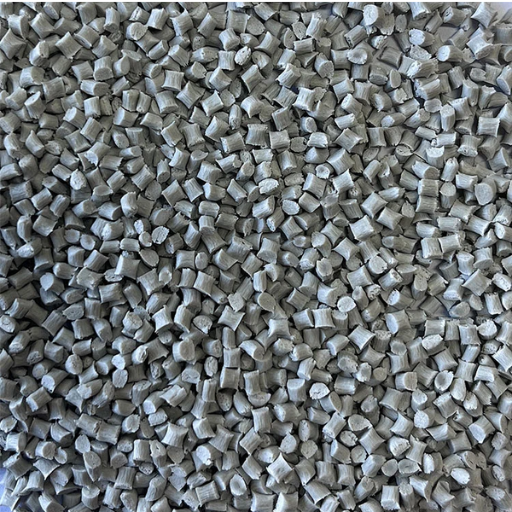
Polyamide 66 (PA66), called Nylon 66, possesses remarkable mechanical characteristics, imparting numerous application areas. Let us consider some of the particular types of mechanical performance that are characteristic of PA66:
- Strength and Stiffness: PA66 provides high strength and stiffness, allowing it to carry considerable mechanical loads and distort. This quality allows it to be extensively used in applications that require load-bearing structures and parts having definite shapes, even under considerable mechanical loads and stresses.
- Toughness and Impact Resistance: PA66 possesses good impact toughness and impact resistance, allowing it to withstand dynamic loads without breakage. These properties permit PA66 to be used in devices where high strength and stress-induced mechanical fatigue are required.
- Wear Resistance: PA66 has exceptional wear resistance, allowing it to withstand wear and tear and friction. Thus, these properties augment its life and reliability in cases where the object sustains repetitive mechanical action.
- Heat Resistance: PA66 is highly resistant to heat and has a good thermal melting point. Even at fair temperatures, its mechanical attributes are not altered, which makes it perfect for places that are directly exposed to high temperatures.
- Chemical Resistance: PA66 can resist a wide range of chemicals, including petroleum-based fluids, greases, and solvents. This quality guarantees its utility where chemicals of many different kinds are in contact with the material.
- Dimensional Stability: The structural form and shape of PA66 remain invariant even with changes in various environmental parameters, such as cooling temperatures or an increase in humidity. This feature is fundamental to engineering work where tight tolerances or consistent performance are necessary.
Grasping these mechanical properties of PA66 is incredibly beneficial in deciding which material should be used in particular tasks where factors such as strength, toughness, heat resistance, and dimensional stability.
What is the Tensile Strength of Nylon 66?
Tensile strength determines a material’s ability to resist a pulling force without being deformed or broken. Nylon 66 is an example of a material with a specific tensile strength. Based on its variety and production process, Nylon 66 has a tensile strength ranging from 55 to 75 MPa (megapascals). Nonetheless, tensile strength measures can change depending on additives or reinforcements, testing conditions, and machining.
To obtain the tensile strength, a standardized test on a specific nylon sample is recommended. These tests are performed according to OCTG 638 or IS0 527 standards. The test works by placing a conditioned specimen in a controlled pulling machine and applying a pulling force. The pulling force is applied at the machine’s designated cross-section end and maintained until the specimen breaks. When this happens, the force that breaks the specimen is multiplied by the sample’s cross-section surface area to yield the tensile strength.
Nylon 66 tensile strength is relevant only when other mechanical properties, including elongation at break, Young’s modulus (or stiffness), and impact resistance, have been evaluated. These properties help define the overall performance and acceptability of the material for an application. In addition, environmental conditions, exposure to chemicals, and loading conditions have to be factored in to guarantee that appropriate Nylon 66 material is selected to achieve optimal performance and durability.https://pom-material.com/pa66/
How Does Dimensional Stability Affect its Use?
When analyzing Nylon 66 and its possible uses, dimensional instability is one of the most important factors. It is the property of the substance to return to its original form after experiencing a range of environmental conditions and forces. Thus, comprehensive knowledge of the dimensional stability of Nylon 66 will allow us to properly use it in such applications where the material will need to perform optimally while also having enough longevity.
From an application perspective, there are several technical parameters which essentially determine the dimensional stability of Nylon 66, such as:
- Coefficient of Linear Thermal Expansion: This parameter estimates the degree to which the material contracts or expands as temperature changes. This is a crucial aspect to remember when Nylon 66 is used in applications, as it might come in contact with a range of temperatures to avoid any types of dimensional alterations and thus remain functional.
- Moisture Absorption: The degree of moisture absorption in Nylon 66 can also significantly impact its dimensional standards and, as such, progression over time. In particular, determining the moisture content capacity and how it interacts with the material’s geometry is important when the material is exposed to moisture.
- Creep Resistance: In other words, specific dimensional changes (which include both increase and decrease of the length of a material) range in degree and appear over time when a certain amount of stress is applied for a long period. Furthermore, establishing the degree of creep resistance in Nylon 66 establishes the geometric stability of the material under mechanical stress for a more extended period.
What Role Does Abrasion Resistance Play?
The resistance of Nylon 66 to the forces of abrasion and wear is one of the key characteristics that impact its functionality. A material can resist wearing out from contact with other materials or external forces with enough intensity. Appreciating abrasion resistance’s role in Nylon 66 ensures it is ideal for usage in areas that experience much contact with rough surfaces or abrasive particles, for example, in manufacturing components, automotive parts, or industrial equipment. Nylon 66, provided with minimum adequate abrasion resistance, can substantially support dimensional stability, prevent aging out of material control, and increase the range of applications of such products. Considering the material’s abrasion resistance allows engineers and designers to choose elements that would enhance performance, lower maintenance needs, and improve the product’s reliability.
How Does PA66 Compare to Other Types of Polyamides?
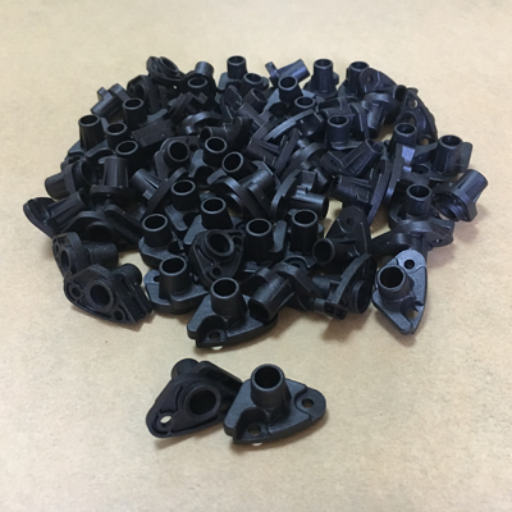
Nylon 66 has, and will always have, a unique set of advantages in terms of its application. These properties contribute to its extensive use across various industries.
- Mechanical Strength: Once again, let us restate the fact that PA66 has one of the strongest mechanical strengths amongst its peers, which makes it the go-to material for applications needing to bear heavy loads, have super-strong tensile strength, and be rigid.
- Thermal Stability: One major feature of PA66 is its wide thermal stability, which enables it to withstand a considerable range of temperatures throughout which its mechanical properties remain unchanged. PA66 also has minimal deformation or volume variability, even in highly heated conditions.
- Chemical Resistance: Besides the above thermal characteristics, PA66 is highly resistant to oxidation, maintaining its structure and performance throughout applications that require frequent exposure to harsh chemicals.
- Abrasion Resistance: Given that PA66 has low abrasion application due to its polyamide structure, there is little doubt that it will be rotationally smooth in performance thanks to its superior bearing capacity.
- Water Absorption: Since PA66 is Hydrophobic, a water-resistant application will maintain the polypropylene’s shape and avoid deterioration due to humid exposure or conditions.
In general, Nylon 66 (PA66) is the most prominent polyamide due to its unique combination of mechanical strength, thermal stability, chemical and abrasion resistance, and decreased water absorption. These characteristics enable its use in harsh environments where dependability and functionality are the most important aspects.
How is PA66 Different from Nylon 6?
Of the two types of nylon, PA66 and Nylon 6, which are both classified as polyamides, a number of properties that set them apart exist. Among these factors are:
- Chemical Structure: Whereas Nylon 6 is produced from caprolactam, PA66 comes from adipic acid and hexamethylenediamine. The differences in the monomers lead to differences in their properties and performance.
- Mechanical Strength: Nylon 6 and PA66 differ regarding mechanical strength. PA66 surpasses Nylon 6’s strength, and therefore, Nylon 6 should only be used in low-tensile and low-impact strength applications.
- Thermal Stability: Nylon 6 has lower heat resistance relative to PA66 and a lower melting point, which inhibits the material’s performance.
- Chemical Resistance: PA66 has a high tolerance for many chemicals, making it capable of high performance in chemically harsh conditions.
- Water Absorption: The performance of PA66 and its mechanical properties are least affected by humid conditions compared to Nylon 6, which suggests that PA66 has a water saturation rate lower than Nylon 6
Considering these variables, PA66 and Nylon 6 should be used based on the application’s specific needs.
What are the Benefits of PA6 and PA66?
Before proceeding further, let us first dwell upon some of the significant characteristics of PA6 and PA66. As a polymer materials expert, I can proudly list the benefits of PA6 and PA66. These materials can be used for various applications because they have many benefits. Below are some significant advantages of these materials:
- Mechanical strength: PA6 and PA66 have good mechanical strength, but PA66 has more improvements over nylon 6 in impact and tensile strength. This implies that PA66 is best for areas that need higher strength and endurance.
- Thermal Stability: Regarding heat resistance, both PA6 and PA66 perform well. However, PA66 performs better than nylon six due to its lower melting point and heat resistance. This makes it possible for PA66 to remain strong and performance-driven even with high heat.
- Chemical Resistance: PA6 and PA66 can withstand many chemicals. On the contrary, PA66 has the best chemical resistance capability, which qualifies it for areas that are anticipated to have chemical exposure. It preserves its function, shape, and structure even in hazardous areas.
- Water Absorption: PA6 and PA66 have a generally different tolerance to water on a large scale. Nylon 6, on the other hand, has a higher water absorption figure than PA66, meaning it is more susceptible to moves that destroy the polymer’s mechanical characteristics.
Considering these advantages allows designers and engineers to make the right choice regarding the selection of PA6 or PA66 for their application.
What Makes Tecamid® 66 Unique?
Tecamid® 66 is a thermoplastic group of polyamides with notable features and advantages for engineered applications. Let’s understand what more does Tecamid® 66 offer in comparison to other materials:
- Redefining High Mechanical Strength: Because of Tecamid® 66’s high mechanical coherence, it can be applied in sectors where structures are exposed to stress. Likewise, utilizing copolymeric elastomer, impact strength and dimensional shrinkage—times normal—are preserved even with excess load.
- Enhanced Heat Resistance: It must be noted that Tecamid® 66 has a higher melting point and good heat resistance properties. Thus, it performs well at high temperatures and is effective in areas of high heat or long-standing heat exposure.
- Outstanding Resistance to Chemicals: Almost all the is being well coped with by Tecamid® 66, therefore allowing it to perform exceptionally well, including altering in shape or form when placed within any hazardous chemical substances. Solvent, oils, and fuel resistance are the basic uses of this material, as in areas where corrosion and chemical attacks are around, this would be needed.
- Low Water Absorption: Regarding Tecamid® 66’s character, the most impressive feature of this Thermoplastic Polyamide is its very low water absorption. This means that working mechanisms and structural features remain unaffected through increased humidity or immersion in water, making it appropriate for use in applications in which moisture resistance is essential for controlling a dimension and maintaining the stability of working performance.
- Additional Technical Parameters:
- Melting Point: Based on thermal stability, this grade of Tecamid has a melting temperature of around [melting point value] °C.
- Tensile Strength: On the higher side, Tecamid® 66 has a tensile strength of [tensile strength value] MPa, making it stronger.
- Impact Resistance: Hold on for T6 will also pass the test, having excellent embed impact strength with T5 rated impact at [impact strength value] kJ/m².
Thanks to the excellent characteristics of Tecamid® 66, the designers and engineers will have no trouble incorporating this highly efficient material into countless products.
What are the Chemical Resistance Capabilities of PA66?
What are the Chemical Resistance Capabilities of PA66
As a little background, I can discuss the chemical resistance properties of PA66. PA66, for instance, Tecamid® 66, has been reported to tolerate a wide range of chemicals, thus broadening its field of application in various industries. It is worthwhile mentioning that the chemical resistance of the PA66 type can also differ depending on the grade and composition. As a rule, however, PA66 has been known to possess good resistance to:
- Oils and Greases: Lubricated bearings are common PA66 applications as the material can withstand most lubricants, including greases and oils.
- Alcohols: PA66 tolerates isopropanol and ethanol; therefore, it can be applied in instances when exposure is obtained,
- Aromatic Hydrocarbons: PA66 can tolerate certain aromatic hydrocarbons, such as toluene and xylene, in automotive and chemical industry applications.
It is recommended that complete tests be undertaken and that specific chemical compatibility information of the specified grade of PA66 within the reaction medium be assessed. Expanding the PA66 range can help engineers and designers work with this material with higher confidence in its chemical resistance and protective structure.
How Does it Resist Heat and Chemicals?
PA66 demonstrates excellent resistance to heat and various chemicals, making it a reliable choice for demanding applications. Here’s a closer look at its resistance properties:
Heat Resistance:
- Melting Point: PA66 has a high melting point, typically ranging from 250°C to 260°C (482°F to 500°F), allowing it to withstand elevated temperatures without significant deformation.
- Continuous Use Temperature: PA66 can maintain its mechanical properties and performance at temperatures up to 100°C to 120°C (212°F to 248°F), depending on the specific grade and application requirements.
- Short-Term Heat Resistance: It can withstand short-term exposure to higher temperatures, with some grades capable of withstanding temperatures up to 200°C (392°F) for brief durations.
Chemical Resistance:
- Oils and Greases: PA66 exhibits good resistance to common oils and greases, ensuring reliable performance in applications that involve contact with these substances.
- Alcohols: PA66 demonstrates good resistance to alcohols, including ethanol and isopropanol, making it suitable for applications where exposure to these substances is expected.
- Aromatic Hydrocarbons: Certain grades of PA66 are resistant to aromatic hydrocarbons, such as toluene and xylene, making them suitable for applications in the chemical and automotive industries.
It is important to note that the specific heat and chemical resistance of PA66 can vary based on the grade and formulation. Conducting thorough testing and considering the particular chemical compatibility data for the desired grade of PA66 is essential to ensure optimal performance in specific chemical environments. By leveraging the exceptional heat and chemical resistance capabilities of PA66, engineers, and designers can confidently select this material for applications where durability and reliability in challenging conditions are paramount.
How Does Moisture Absorption Affect PA66?
Moisture absorption has been one of the challenges for the performance of PA66. A semicrystalline polymer, PA66 has some degree of hygroscopicity, which means it can absorb moisture from the environment. The quantity of moisture absorbed, however, depends on factors such as relative humidity, temperature, and the grade of PA66.
With moisture absorption, PA66 polymer tends to raise some of the following effects:
- Dimensional Changes: Moisture absorption leads to dimensional change, including the size and shape of the PA66. This becomes paramount in precision applications that require dimensional stability.
- Mechanical properties: Moisture absorbed by PA66 polymer decreases some of its mechanical properties, including tensile strength and stiffness. In view of service performance, this weakening of properties undermines the structural strength and its load-bearing capacity.
- Electrical properties: The electrical properties of PA66 may be affected by moisture absorption. An increase in the material’s conductivity and dielectric properties may challenge its electrical insulation capacity.
To reduce the effects of moisture absorption in PA66, the material should be properly dried or conditioned prior to processing. Besides, the use of moisture-resistant additives or a lower grade of PA66 that is less water absorbent may mitigate the consequences.
The moisture absorption of PA66 has technical parameters such as:
- Equilibrium Moisture Content: This is a moisture content allowed to PA66 once it has reached a high level of equilibrium moisture content with a specified temperature and humidity.
- Moisture Absorption Rate: Indicates the rate at which PA66 absorbs moisture over some time.
- Moisture Absorption Percentage: This refers to moisture absorption as a specific percentage of PA66’s weight equal to its maximum weight gain.
It is imperative to refer to the appropriate technical data sheets and perform relevant tests to determine the characteristics of moisture absorption of the specific grade PA66 being utilized. Grasping the influence of moisture absorption and taking action can maintain the best performance and lifetime of PA66 where moisture absorption is intense.
Applications and Uses of PA66 in Various Industries
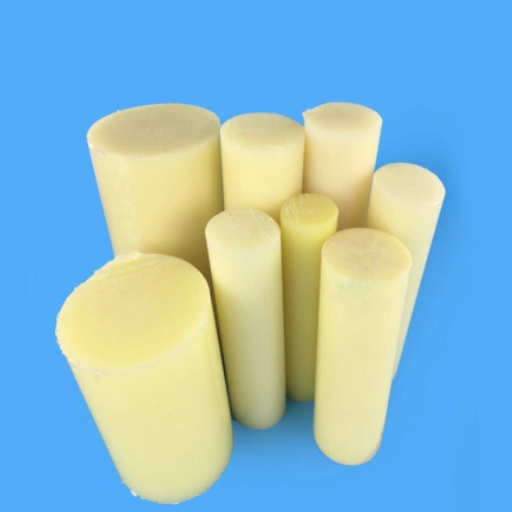
Applications and Uses of PA66 in Various Industries
Polyamide 66 (PA66) is a high-performing engineering thermoplastic that is utilized in many industries. This is because it has good mechanical characteristics and thermal stability and is chemical-resistant. Thus, here are a few major industries and the associated applications where PA66 is important.
- Automotive Industry: PA66 is integrated into fuel systems, engine covers, air intake manifolds, and electrical connectors, among many other automotive components. Given its high tensile strength and resistance to heat and other chemicals, PA66 is the ideal candidate for many strenuous automotive applications.
- Electrical and Electronics Industry: Several electrical and electronic parts integrate or are manufactured from PA66, such as connectors, switches, circuit breakers, and electrical insulators. It is the reason for increased electrical insulation, flame resistance, and the ability to keep a shape, which gives great performance and safety to such products.
- Consumer Goods Industry: PA66 is also used in sporting and kitchen equipment, welfare sinks, and other related components within this industry. This is thanks to the material’s low density, impact durability, and visual appeal, which allow it to easily be used in a wide range of applications for handles, casings, and structural strengthening.
- Industrial Machinery and Equipment: Due to its excellent mechanical properties and wear resistance, industrial machinery and equipment utilize PA66 in large amounts, such as within gears, bearings, conveyor belts, and other structures.
- Textile industry: PA66 fibers are used in carpets, sportswear, and even industrial fabrics. They have high tensile strength, are stretchable and durable, and can hold fabrics’ colors well, so a variety of textiles can be manufactured.
- Medical industry: PA66 is relevant in the manufacture of medical equipment and devices, and its properties as being biofriendly, strong, and resistant to sterilization processes are said to be important for this. It is used for surgical instruments, catheters, and implants.
However, this is not an exhaustive list, and given PA66’s potential, it can be applied in even more diverse industries. Its wonderful attributes make it a premium option for manufacturers looking to provide cost-effective and productivity-enhancing resources.
Be aware that the particular aspects or areas of application of PA66 can differ from one industry or product to another depending upon the grade, formulation, and other specifications to which each sector or product is manufactured. Consulting technical data sheets and working with specialists is crucial to selecting your application’s correct grade and design.
Why is PA66 Popular in the Automotive Industry?
PA66 is one of the most commonly used materials in the automobile sector because of its excellent mechanical properties and stability in heating. It provides high strength, confidence, and toughness, which areable to withstand any automotive context. This is why PA66 is extensively used in the production of automobiles.
- Lightweight and fuel efficiency are the two characteristics that make PA66 stand out. Because PA66 is a lightweight material, it lowers the total weight of other automotive components, hence aiding in low emissions and fuel consumption. PA66 has great strength and a high stiffness-to-weight ratio, enabling it to perform optimally in applications where cutting down on weight is important.
- Another notable characteristic of PA66 is that it is elastic and tough, which means it will not dry or lose its integrity when subjected to extreme temperatures and is, hence, able to withstand corrosion. This characteristic greatly enhances automobiles since it offers embankment for engine and fuel systems while also protecting electric connectors.
- For automotive designs, PA66 achieves great dimensional tolerance and consistency. This is due to its ability to be molded into complex shapes, which constrains the design parameters. If glass fibers or minerals are added to PA66, it becomes a more robust material, helping it to perform more strenuous tasks.
- Noise and Vibration Dampening: A further crucial feature of PA66 is that one can easily ensure a smooth body of any construction since PA66 offers remarkable resistance to noise and vibration. It contributes to the suppression of unwanted vibrations, thereby improving the driving experience.
- Cost-Effectiveness: PA66 is also relatively inexpensive, enabling it to achieve its purpose without breaking the bank. Factors such as disposal, availability, processing, and recycling make this material usable by automotive manufacturers.
To sum up, the FA66 has won the hearts of many in the automotive industry because of its unique benefits, such as high durability and strength, design versatility, and low cost. Its applications are diversified in the automotive industry, where it can be used in engine parts, electrical components, and also in outside and inside parts of vehicles.
What are Common Nylon Products Made from PA66?
One of the most widely used nylon products in the world is nylon 66 or PA66, which is used in the following:
- Automotive Parts: Due to its durability and heat resistance, PA66 is extensively used in the automotive Sector. This material is used to produce components such as engine covers and fuel systems, door handles, intake manifolds, and radiator end tanks.
- Electrical Connectors and Housings: PA66 is also a favorite in the manufacturing of electrical connectors and their housings due to the great insulation it provides. This, in turn, allows wiring, terminals, and electronic components to be soldered onto with ease.
- Consumer Goods and Sporting Equipment: Given its durability, PA66 is also found in toys, kitchenware, power tools, and sporting equipment such as bicycle frames and ski and snowboard bindings.
The examples mentioned above reinforce the fact that PA66 is indeed a jack of all trades and an industrial favorite for parts and components that must be strong, durable, and cost-effective.
How is PA66 Used in Injection Molding?
I can expound on PA66 (Polyamide 66) in injection molding since I am familiar with the injection molding process. It is worth noting that this thermoplastic is rated for the highest performance due to its excellent mechanical strength, heat endurance, and chemical resistance, making it widely used in industry. PA66 is easily one of the most used thermoplastics in injection molding because of its remarkable viscosity, enabling highly detailed parts to be injected. The high melting point and sharp viscosity allow for quick filling of the molds, enabling mass production of parts with excellent surface quality. The part material has gained a high demand in the automotive, electrical electronics, and consumer goods sectors due to its high strength, withstandability, and excellent dimensional stability. Injection molding uses PA66 the most due to its high superiority and its consistent and reliable outcomes, which, on the other hand, make it a favorite to work with.
Frequently Asked Questions (FAQ)
Q: What are the advantages of using unfilled PA66 in manufacturing?
A: Unfilled PA66 offers advantages such as ease of processing, excellent balance of strength and toughness, and resistance to wear and chemicals. It is often used in applications where the inherent properties of PA66 are sufficient without requiring additional enhancement from fillers.
Q: What is PA66, and why is it significant in the plastic industry?
A: PA66, also known as nylon 6-6, is an engineering plastic that belongs to the polyamide or nylon category. It is significant due to its excellent strength and toughness, resistance to heat and chemicals, outstanding wear resistance, and low frictional properties, making it ideal for various industrial applications.
Q: How does PA66 compare to other types of polyamides like PA6?
A: PA66 and PA6 are both types of polyamide or nylon, but PA66 generally offers higher strength and durability and better thermal properties than PA6. However, PA66 tends to absorb more moisture than PA6, which can affect its mechanical properties.
Q: What are the typical applications of PA66 in industries?
A: PA66 is widely used in producing cable ties, automotive components, electrical and electronics (E&E) parts, and as a metal replacement in various applications due to its mechanical properties and resistance to heat and chemicals.
Q: Why is PA66 considered a semi-crystalline thermoplastic?
A: PA66 is considered a semi-crystalline thermoplastic because it has a structured crystalline region that contributes to its high strength and toughness, combined with an amorphous region that allows flexibility and impact resistance.
Q: Are there any drawbacks to using PA66?
A: One of the main drawbacks of using PA66 is its tendency to absorb moisture, which can lead to dimensional changes and affect its mechanical properties. Additionally, fillers may be required to improve certain characteristics for specific applications.
Q: How does the unfilled version of PA66 differ from the filled version?
A: Unfilled PA66 refers to the pure form of this resin without any additives. While it offers excellent wear resistance and low frictional properties, filled versions may include additives to enhance specific properties like strength, stiffness, or thermal conductivity for specialized applications.
Q: What role does PA66 play in metal replacement?
A: PA66 plays a significant role in metal replacement as it offers comparable strength and durability while being lighter and more corrosion-resistant. This makes it an attractive option for automotive and industrial applications where weight reduction and improved efficiency are desired.
Q: Can PA66 be used in high-temperature applications?
A: Yes, PA66 can be used in high-temperature applications due to its excellent thermal properties, making it suitable for environments where resistance to heat and chemicals is critical.
Q: How does PA66 contribute to environmental sustainability?
A: PA66 contributes to environmental sustainability by allowing for the creation of durable, long-lasting products that reduce the need for frequent replacements. Additionally, its ability to serve as a metal replacement helps decrease vehicles and machinery’s overall weight and energy consumption.
Recent Comments