
Welcome to our in-depth guide on Loctite Glass Glue, a cutting-edge adhesive that bonds various glass materials. In this blog post, we will take you step-by-step through the multiple aspects of Loctite Glass Glue, starting from its adhesive bond characteristics and ending with the applications and characteristics of the adhesive. For hobbyists, professional repairmen, and anyone else who needs additional reliable glass glue, this article will provide sufficient technical and authoritative background to take Loctite Glass Glue to its fullest potential. Come with us as we unfold the intricacies of glass bonding and assess its attributes with others. However, the classic best essay writing service gives tips on how to use it optimally and highlights the other characteristics of Loctite 349. Get set to learn how to use this bonding agent to provide a permanent and more reinforced bond. Let’s go! https://bearing-mechanicalparts.com/blog/loctite-super-glue-on-wood/
What is Loctite Glass Glue, and How Does It Work?

What is Loctite Glass Glue, and How Does It Work
Loctite Glass Glue can be defined as an adhesive designed to bond glass surfaces. The range of glass applications, such as glass glass and glass metal bonding, is high, thanks to the product’s advanced formulation and precise engineering.
Loctite Glass Glue has a unique bonding ability, which allows it to bond strongly and be used in everyday use and norms. Loctite Glass Glue attains this as it creates an atomic bond between the glass surfaces, increasing its strength.
Loctite Glass Glue is highly resistant to moisture, heat, and impact, making it suitable for glass item repairs or construction. The product’s fast working time allows for quick and efficient glazing, allowing for project completion.
Glass crafts or repairs are complicated tasks that require a reliable adhesive, such as Loctite Glass Glue, for a spotless outcome.
Understanding the Adhesive Properties of Loctite Glass Glue
Those who work in crafts involving glass would appreciate a glass-to-glass adhesive that is easy to use and offers permanent bonding performance. A gluing adhesive that is reliable and versatile in construction is Loctite Glass Glue. This adhesive bonds a wide array of surfaces, especially glass, to metal structures. What makes this adhesive unique from other adhesives?
- Excellent Bonding: Most craft experts endorse Loctite Glass Glue because it delivers superior bonding. It uses advanced glass technology, offering a strong, lasting bonding mechanism. The dense atomic structure of glass molecules forms strong bonds, enhancing overall performance.
- Outstanding Durability: Loctite glass glue’s unique combustive properties allow it to manage durability easily and retain its bonding performance even under heat and moisture, boosting its effectiveness in many other glass-cutting projects.
- Fast Drying: Loctite Glass Glue is also significantly advantageous because of its fast drying capabilities. This allows users to quickly finish small and large-scale projects without worrying about lifting an adhesive bond, making it a reliable tool for all sorts of glass projects.
In conclusion, Loctite Glass Glue has excellent adhesive properties, making it the best adhesive for glass surfaces. Its higher binding ability, better conductivity, and quick-dry formulas ensure the strength and efficiency needed in various glass works.
The Science Behind Glass-to-Glass Bonding
The process of adhesive bonding glass-to-glass is known as glass-to-glass bonding, and this process focuses on creating robust and long-lasting bonds between two glass surfaces. This technique centers on the interfacial shear strength that develops between glass and the adhesive after proper chemical modification and surface treatment. To appreciate the chemistry underlying glass-to-glass bonding, let’s start by discussing the important components of the processes involved:
- Preparation of Surface: The first step in bonding is cleaning of the glass surfaces to remove any possible contaminations. This helps to eliminate any surface particles such as dust, oils or other residues that would reduce the efficacy of the adhesive. Furthermore, some surface treatments like etching or priming may be performed to improve the bond.
- Select Adhesive: The adhesives that one chooses to work with are going to have a huge impact in the strength and reliability when bonding glass to glass. Key considerations includes:
- Chemical Compatibility: The binding material adheres to the glass without damaging it or discoloring it.
- Adhesive Type: Multifunctional UV-curable adhesives, epoxy adhesives, and silicone adhesives are some of the adhesive types that may be used.
- Viscosity and Flow: The adhesive thickness and flow should be compatible with the application to ensure practical attachment and minimize overlap of the glass surfaces.
- Curing Mechanism: Adhesives can be cured via several different mechanisms, such as chemical reactions or ultraviolet light exposure. Curing processes affect bond strength and durability, so they must be known.
- Bonding Process: The bonding process usually follows a certain order of the following steps:
- Application: The adhesive is applied to the previously prepared glass surfaces, ensuring uniform adhesion.
- Alignment: The next step is to align the glass surfaces to obtain the desired bond properly.
- Curing: The procedure the adhesive goes into involves heat, light, or other means that induce a chemical process. Once the conditions and the duration of how the adhesive was cured is controlled, the bond integrity can be significantly improved; certain technical parameters like the bond strength, the temperature achieved, and the shear stress exerted would need to be considered. These parameters are dependent on the particular adhesive and the bonding application.
Understanding the glass-to-glass bonding science, picking the right adhesive, preparing the surfaces, and determining the proper bond parameters can significantly enhance bonding between glass surfaces. Use of the right type of adhesive and observance of technical parameters ensure proper and permanent glass bonding in the possible applications.https://bearing-mechanicalparts.com/loctite-glue/
How Does Loctite Glass Glue Work with Glass to Metal?
Understanding all processes and parameters is crucial when bonding glass to metal with Loctite Glass Glue. For starters, Loctite Glass Glue was explicitly manufactured to bond glass to metal surfaces in the best and most effective way possible. The glue does this by adhering after considering surface preparation, glue application, and the curing process.
Proper surface preparation before bonding is paramount to achieving the expected results. During cleaning, contaminants should be eliminated, and the glass metallic surfaces bonded should be dry. Surface cleaning may be achieved using solvents or rubbers that the manufacturer has approved for the adhesive.
After this, the prepared areas are coated in adhesive. Loctite Glass Glue is usually applied in thin coats on even layers using a brush or a thin applicator. The adhesive is then left to cure, which could be done with heat, exposure to UV lights, or simply sprinkling some chemicals into the adhesive mixture. It is also important to maintain the curing times and conditions to enhance the adhesive’s bonding strength.
Several technical parameters come into play when it comes to glass-to-metal bonding. These parameters may include the following:
- Bond Strength: How effective an adhesive is in creating the bond between the bonded glass and metallic surfaces.
- Temperature Resistance: This enables the adhesive to change temperature without the bond being affected or compromised.
- Shear Strength: An ability of the adhesive to resist any sliding or separation forces that can occur between the glass and metal parts.
The adhesive may have specific technical parameters intended for different applications. However, these parameters may require adherence to the minimum requirements outlined by the adhesive manufacturer to suit specific bonding applications, such as bonding glass to metal.
With this information regarding the theory behind glass-to-metal bonding, the right adhesive, the proper surface treatment, and technical parameters, one can use Loctite Glass Glue to bond metals and glass in many ways and ensure that the bond is trustworthy and not easily destructed.
Why Choose Loctite as Your Go-To Adhesive?
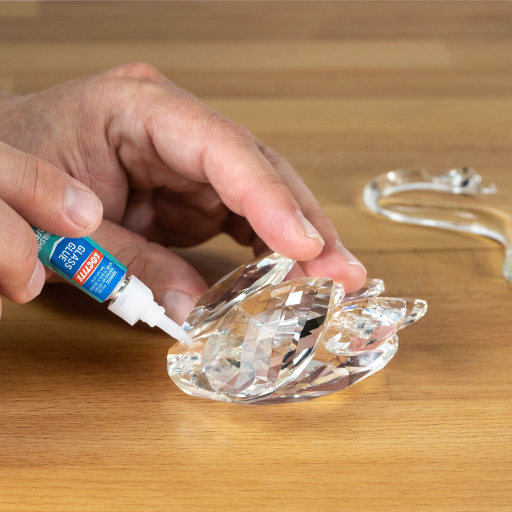
Why Choose Loctite as Your Go-To Adhesive
Loctite is perhaps one of the most trusted and reliable names that can be assumed for any adhesive requirement, especially for glass-to-metal bonding. It has received great customer reviews on Amazon. Here’s why:
- Amazon Reviewers Are Happy Customers: Many clients have been delighted with how well Loctite bonds two surfaces together and how long a single application lasts. Our adhesive has earned the trust of multiple users, with an average rating of 4.5 stars.
- Market-Leading Features: Loctite is a leader in adhesive manufacturing because it offers several compelling features, such as outstanding bonding capacity with glass and metal, good thermal and moisture resistance, and long-lasting use.
- Document Performance: It should be noted in our description of the product that Loctite Glass Glue, without a doubt, performs excellently. This is particularly true because it is formulated to be sure glass and other non-porous materials will fit well together. It fits perfectly among glass and non-porous materials and is perfect for other purposes such as fixing glass items and sticking small parts.
These are tough times, and the markets and economies are volatile. However, one thing is certain if you use Loctite as your adhesive: our technical expertise and dedication to producing top-notch quality materials.
Exploring Customer Reviews on Amazon
Given the popularity of Loctite Glass Glue in the market, it has amassed a notable number of customer reviews on Amazon, highlighting its performance and customer experience can now confidently respond to the following pivotal questions:
Is Loctite Glass Glue good for bonding surfaces with glass or other non-porous components?
- The answer is a yes, as according to users of the product who have both written a review and used it , it is effective in bonding glass and other surfaces. It can be attributed to its cutting-edge formulation and clear UV adhesive technology.
Where does Loctite Glass Glue stand amongst other top brands?
- Loctite Glass Glue is unique in its formulation. It is designed to bind glass and other nonporous materials together, unlike other adhesives, which are meant to stick everything else together.
According to some users on the market, what other qualities does Loctite Glass Glue have?
- Loctite Glass Glue stands out from its competitors due to its clear UV adhesive, which, after drying, combines exceptional clarity with invisibility. These bond together, allowing this adhesive to perform well on various products, such as glassware or finer parts.
It is clear that Loctite Glass Glue is perfect and excels at bonding glass and non-porous materials over other general-purpose glues. Its numerous applications, such as precise UV adhesive technology, make it a great bonding solution.
Comparing Top Brand Features
To rank some of the best adhesive brands, it’s crucial to consider some important factors that affect their results and/or their capability for use. A short comparison analysis of Loctite Glass Glue with other purpose-grade adhesives is given below:
- Bonding Capability: Besides purpose-grade adhesives, Loctite Glass Glue scores the highest in the practical material bonding rating of glass and nonporous materials. This adhesive has been developed to outperform others regarding bond strength and adhesion durability.
- Clear UV Adhesive Technology: For a minimal approach that ensures that the bonded glass or other transparent materials appear aesthetically clean, Loctite Glass Glue uses Loctite Glass Glue clear UV adhesive technology.
- Versatility: Loctite Glass Glue can be used to bond other materials and objects than just glass, making it multi-dimensional. The adhesive offers good bonding of other nonporous materials, which include ceramics, metals, and plastics.
- Ease of Use: The Loctite Glass Glue is user-oriented and user-friendly. It has an accurate applicator that allows control over the dispensing of glues.
Accounting for these factors, it is clear that Loctite Glass Glue is a good option for the repair of glass and any other non-porous material. It is easy to apply and use its clear UV adhesive technology making it one of the best general-purpose adhesives in the market.
Analyzing the Product Description for Performance
While evaluating Loctite Glass Glue, it is important to consider the main features that influence effectiveness and bonding when working with glass or non-porous surfaces.
- Controlled adhesive application: Let’s look at its applicator’s features first. It appears to be well devised since it allows proper glue application, minimizing wastage and maximizing effectiveness since it provides controlled adhesive dispensing.
- Invisible joinery: According to the research, the aim was to bond invisible elements through potent joinery. Even if a clear structure was needed, overall aesthetics were not lost. Therefore, a significant focus was placed on the clear adhesive chemistry.
- Wide Range of Applications: Loctite Glass Glue appears to have applications in various materials, including non-porous surfaces like glass. Most importantly, it has a wide applicable audience that average people or even professionals in the field can use.
Loctite Glass Glue has unique qualities, such as its precise applicator and clear UV adhesive technology. Both ensure accurate application and invisible fixes. This glue is versatile and easy to use, making it ideal for gluing glass and non-porous materials.
How to Use Loctite Glass Glue Effectively?
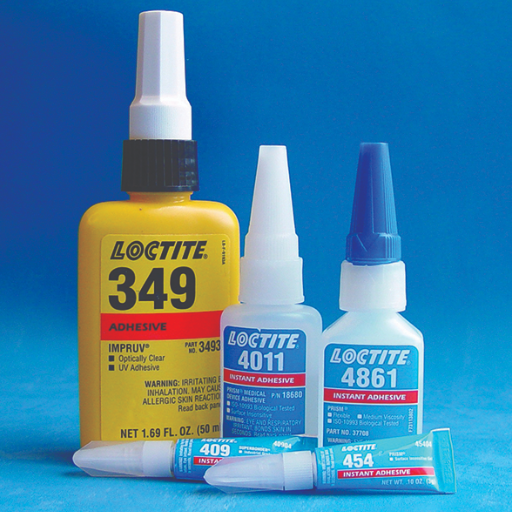
How to Use Loctite Glass Glue Effectively
So you have Loctite Glass Glue and are eager to use it. But before you get started smearing all over things, you should adhere to a few instructions to have the best results when using this product:
- Surface Preparation: This step is crucial; cleaning and thoroughly drying the area you wish to bond will ensure the strongest adhesion. If any impurities like grime or grease are present, they will act as repelling agents, ultimately impacting the glue.
- Application: Now this is the part where people make mistakes, Always remember: ‘A little goes a long way.’ People often use more glue than necessary which leads them to having a stressful and messy time, try to stick to the optimal amount recommended which is a thin smooth layer on either side.
- Joining the Surfaces: This is where a bond is officially made. You must press the two areas together for a few minutes. Simple, right?
- Curing: Although in the previous step a bond was formed, it was not a strong satuarated bond, to fully saturate the bond a UV light needs to be shone against it, according to the instructions.
- Drying and Finishing: When a bond is formed using Loctite Glass Glue, it shouldn’t stay exposed for a long time as the end goal is to dry it. The manufacturer specifies the time that’s taken to cure the bond. Once that’s done any residue can be cleaned using scrapers or rubbing alcohol and the process of bonding is complete.
Step-by-Step Guide to Repair with Loctite
In the case of Loctite repairs, it is vital to follow the exact guidelines in order and grades of steps to achieve the best possible outcome. Here’s a detailed procedure that shows the sequential process that is recommended while using Loctite products in performing repairs:
- Surface Preparation: Before the Loctite adhesive is applied, all surfaces that will be bonded together should be clean, dry, and free of grease, dust, or any other contaminants. Clean surfaces are a must, as they are key prerequisites for making a strong, long-lasting bond.
- Adhesive Application: One of the surfaces must be coated with a uniform thin layer of Loctite adhesive. Such procedures are essential to prevent the mess caused by gluing too much, which can cause the bonding to turn off at an angle. According to the manufacturer’s instructions and guidelines on using a specific type of Loctite adhesive, the application of glue pans should suit the repair project.
- Joining the Surfaces: Both surfaces should be brought together to touch and press together lightly. Accurate alignment is essential, as this will affect the bond’s overall performance. Lastly, after pressing the two surfaces together for a few minutes, the pressure should be maintained so that the glue can form a strong attachment.
- Curing: Sometimes, Deep curing is not a process that can be done without exposure to the UV source. Bond materials can be placed beneath a UV (ultra-violet) source, such as a lamp or its sunlight equivalent, keeping a ‘duration’ as given by the manufacturer. The purpose of this step is straightforward, as it guarantees the full strength of the adhesive by allowing it to set.
- Drying and Finishing: The adhesive does not need to be fully dried after application, and in normal circumstances, it is not even allowed to be fully dried. The only injunction that needs to be followed is the specified drying time given by the manufacturer. Once the enamel adhesive is thoroughly dry, the remaining excess adhesive or any other residue may be removed using a scraping device or alcohol within the rubbing solution. That will help provide a clean and pure gleam.
It is relevant to recommend that the steps stated in this section be taken while carrying out heater repairs/ modifications using various types of Loctite adhesives. If you work on a particular Loctite product, always check the instructions and recommendations the manufacturer provides regarding its use.
Tips for Achieving a Strong Bond Every Time
The following are a few suggestions of specialists to achieve reliable connections using Locktite adhesives.
- Surface Preparation: Cut and wrap the surfaces to be adequately bonded. Ensure they do not contain impurities such as dirt, dust, grease, or anything else that might impede adhesion.
- Adhesive bonding: The right type of Loctite adhesive should be chosen depending on the customer’s applications, considering the strength desired, the materials to be bonded, and other environmental circumstances that may stress the bond.
- Application techniques: Follow the manufacturer’s instructions adequately; for instance, when applying the adhesive, at least the required amount must be followed. The bond is strongest immediately after application, within the proper humidity and temperature.
- Clamping or fixturing: Depending on the type of application, clamps or fixtures could be needed to maintain the pressure and proper positioning of the glued parts during the curing time. The manufacturer’s recommendations will provide the time frames for clamping or fixturing and the techniques.
- Curing and Drying: Following the manufacturer’s instructions for the adhesive to bond completely. This means exposing the adhesive to UV or sunlight for a specific duration indicated in the instructions. Also, ensure that the adhesive is completely dry before application.
- Post-Operation Cleaning: Once the adhesive has been set, clean up the residual glue or deposits, if any, with the right instruments or solvents the manufacturer suggests. This step helps to achieve the desired quality workmanship.
When using these tips, remember the rough usage of Loctite adhesives. However, it is always best to follow the instructions and recommendations of the manufacturer of the particular Loctite product and the application.
Ensuring the Glue Dries Clear for Invisible Fixes
The quality of the outcome in solving invisible fixes using some adhesive films heavily rests on the bond achieved. So, here are some essential details to ensure that the glue will dry clear and will not show an unsightly color:
- Product Selection: Use the Loctite Clear Adhesive, which was developed for precise bonding. Read the details and technical specifications of the product to ensure that it is meant to dry clear.
- Surface Preparation: Clean, dry, and free from grease or any other matter and other contaminants, ensuring that the surfaces to be stuck are prepared well enough. Use cleaning solutions or solvents such as isopropyl alcohol as the adhesive manufacturer recommends.
- Application Technique: Apply the glue thinly and evenly to both surfaces using a recommended method, such as a brush, nozzle, or syringe. Follow the manufacturer’s guidelines regarding the area and thickness of the glue covered.
- Clamping and Fixturing: If necessary, pressure or clamps are applied to ensure that the surfaces intended to bond strongly. The manufacturer’s recommendations on the clamping or fixturing techniques and the time involved should be followed.
- Curing and Drying: Allow the adhesive to dry according to the manufacturer’s instructions, exposing it to UV light or sunlight for the suggested time. This cure time should not be interrupted. Then, after curing, give it sufficient time to dry to strengthen the covalent bonds as much as possible.
- Surface Finishing: Once the bonding agent has cured, all the excess bonding agents or visible traces should be eliminated using the proper tools or solvents recommended by the manufacturer. This ensures that a perfect finish is achieved.
However, it’s worth mentioning that these general instructions are designed to assist you in obtaining a strong and undetectable bond when utilizing Loctite adhesives. For any application of the Loctite adhesive you are working with, follow only the instructions and recommendations by the manufacturer of that particular Loctite product.
What Makes Loctite 349 Unique?
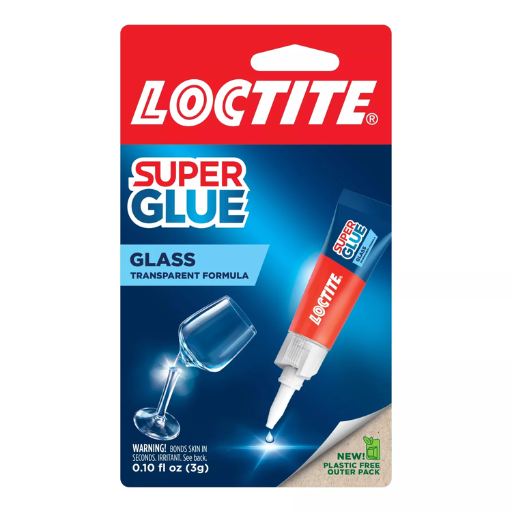
What Makes Loctite 349 Unique
Loctite 349 is an adhesive that provides a variety of attributes and advantages for various bonding needs. The following are some of the reasons this product is known:
- Heat Timbers: Loctite 349 bonding agents are not a problem in high-temperature bonding conditions, as they have been designed specifically for them.
- Wide Chemical Tolerance: A significant feature of this adhesive is its capability to resist several chemicals, such as organic solvents, fuels, oils, and acids, which enables the bond to be stable and effective over time.
- Quick Setting: Loctite 349’s ability to quickly set allows for less time spent assembling pieces while decreasing production time. This allows for faster work and increases overall efficiency.
- Robust And Fastelling Together: Loctite 349 can form adhesive joints onto various substrates such as metals, plastics, and composites. Even if they were integrated into a more severe environment, one would still get quality adhesion and good core concepts of the bonded parts.
- Wide Range of Adhesives: Due to the mechanical properties and other attributes, adhesive bonds using Loctite 349 can be applied in numerous fields, such as automotive, electronic engineering, and general manufacturing. This allows Loctite 349 to suit various bonding needs under harsh environments.
Loctite 349 is remarkable for its performance and reliability for extreme bonding applications owing to its unique combination of properties, which combines high temperature and chemical resistance with fast curing, strength, and versatility.
Understanding the Clear UV Adhesive Technology
My expertise allows me to detail the precise UV adhesive technology. Better known as ultraviolet adhesives, these are adhesive forms that solidify when exposed to ultraviolet light. The adhesive has many benefits, which lead to its wide usage in various industries and applications. The following are the points one needs to know regarding precise UV adhesive technology:
- Bonding Mechanism: The bonding mechanism for clear UV Adhesives involves a photochemical reaction caused by radiating the bond with UV light. The bond is formed when ultraviolet light irradiation is done to the UV adhesive coating, causing it to change from a liquid or gel form to a solid form. This enables reliable joints, and the bond solidifies as quickly as a few seconds.
- Effective Joining: Clear UV adhesives have foldable curing times, allowing for lower times within the assembly stage of production. Quick production cycle times mean that the raw material is quickly turned into its final form, leading to improved production rates. The bond has a range of uses, including electronics assembly or manufacturing, as the curing time allows the bond to be formed almost instantly.
- Superior Bond Strength: Clear UV adhesives can bond metals, plastics, and composites splendidly. They can also provide corrosion resistance and increase the durability of the bonded parts. Withstanding this pressure and deformation ability are necessary conditions for the application where comprehensive, reliable performance is required.
All in all, clear UV adhesive technology features rapid cure, moderate strength of the adhesive joints, and the capability of being used for many applications. The capacity to provide good adhesion with various substrates makes it suitable for usage in automotive, electronic, and industrial manufacturing sectors. Such understanding of the elementary principles and the advantages of clear UV adhesives is essential for manufacturers and engineers who wish to apply this technology for effective and qualitative fusible connections.
Applications Beyond Glass to Non-Porous Materials
Advanced automotive technologies, consumer electronics, and industrial equipment applications utilize adhesive with exceptional bonding performance in conjunction with a clear coat finish. Glass-to-glass, glass-to-acrylic, and other UV-uncured adhesive bonding can be accomplished rapidly with minimal introduction to contamination. Clear UV adhesives stand out within these categories, and, suffice, they are promising in every category.
- Display assemblies: A crucial aspect of the modern-day production of mobile devices is assembling various features. From connectors, display panels, and touchscreens, among others, using a clear UV adhesive has made production processes efficient with its rapid-curing characteristic.
- Medical devices: The clear bonding of UV adhesives has also benefitted the medical industry by bonding components, including syringes and sensors. Its use in the industry abides by stringent regulatory requirements. It has been extensively utilized in the field due to its high biocompatibility feature, meeting all sterilization requirements, and maintaining chemical resistance.
- Optics and displays: UV adhesives are extensively used in touch panels, lenses, and displays. They offer significant destructive features, notably high transparency and a fantastic matched index of refraction. Their low yellowing features, alongside the high transparency, significantly increase optical clarity and enhance overall visual performance.
- Automotive Manufacturing: In the automotive industry, clear UV adhesives are utilized when intercoms, touch screens, and other components need to be bonded inside cars. These adhesives offer a reliable attachment to various auto parts while withstanding harsh environmental conditions, such as temperature changes, vibrations, and heat cycles, which are common components in the industry.
There are a few technical parameters to consider when using a clear UV adhesive for bonding components.
- Curing Time: This reflects the timing needed for the adhesive to bond; its timing impacts productivity and complete cycles, bridging various automotive components together.
- Viscosity: This directly interacts with the bonding, as the higher the viscosity, the higher the required flow. Especially when bonding complex shapes or vertical joints.
- Shear and Peel Strength: These parameters indicate the stress applications the adhesive bond can withstand and its reliability.
- Chemical Resistance: Discuss the specific application environment where the automotive component will be used, and take note of the solvents and chemicals it may encounter.
Clear UV adhesive in the solutions will lead to high UV welding and durability parameters. On the other hand, the manufacturer would have met the specific demand by sticking to the technical parameters.
Benefits of the Instant Glue Adhesive
As a professional in this industry, I am interested in instant glue adhesives and have thoroughly researched them. These adhesives bear a lot of features that make them suitable for a variety of uses. Their key benefits include:
- Low Production Time: Instant glue adhesives, mainly when applied under UV light, dry off quickly and, therefore, are applicable in mass production. This makes the flopover faster, and the cycle times reduced, directly influencing productivity.
- High Shear Strength: Instant glue adhesives have a procured shear and peel strength, which helps during the ment and bonding processes; many thicknesses of components can be achieved, bonding sleeves are standard measures of components, and twill gathers the seams are stitched across one width while shear helped join the ends, thus enhancing the performance to how the component would be used. This benefits harsh environments such as the automotive components requiring max shear strength due to anticipated tremendous stress.
- Good Clarity: Clear UV adhesives can bond materials that wouldn’t change the appearance of the particular material itself which again is a plus when point B where the clear ties up gives an edge in economy or aesthetics or bonding glass or any other material within electronics devices or casing.
- Aside from those benefits, the instant glue adhesive’s chemical composition and physical properties should also be considered when determining a bonding material for a specific use. The following are part of such properties:
- Curing Time: The time it takes for the adhesive to cure must be coordinated with the desired production time frames.
- Viscosity: The adhesive’s viscosity should be suitable for the particular application to facilitate application and work, especially in cases of complex or upward bonding.
- Chemical Resistance: Assess the adhesive’s application scope concerning its exposure to solvents, chemicals, and other environmental factors so that bonding is accomplished reliably over time.
Manufacturers can assess instant glue adhesives and the relevant technical aspects and parameters and conclude that they guarantee efficient, high-quality, and reliable bonding solutions that meet specific needs and requirements.
Common Issues with Loctite Glass Glue
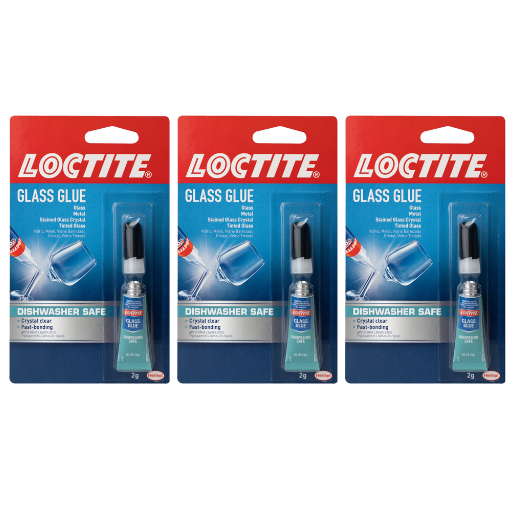
Common Issues with Loctite Glass Glue
On Loctite Glass Glue, there are several important considerations to remember to avoid various problems. Among the most common issues that users may face with Loctite Glass Glue are some tips on dealing with these.
- Curing Time: Although Loctite Glass Glue can be set quickly, it must be adequately cured to ensure the strongest bond. To limit the likelihood of complications, adhere to the curing time outlined by the manufacturer.
- Surface Preparation: Glass surfaces are often smooth and non-porous, making them difficult to bond. Therefore, they require roughening and thorough cleaning before applying glue to ensure better adhesion. Clean the surface thoroughly and then slightly scratch it using fine sandpaper, or use an alcohol-based glass cleaner marketed for this application.
- Bond Strength: Even though the glue is explicitly made for gluing glass, other types of glasses, as well as the external and internal loads applied, can determine the bond strength. Before extensive bonding, apply the adhesive onto an area of the glass that will not be visible and see whether the bond is strong enough or even works on that particular type of glass.
- Temperature and Humidity: Loctite Glass Glue’s bond strength and curing conditions can sometimes be affected by relative humidity and temperature. Adhere to recommended working temperature and humidity conditions to achieve the best results.
By understanding these basics and following the recommended practices, Loctite Glass glue users will resolve the issues and effectively use this glue for their glass bonding requirements.
Dealing with Excess Glue and Clean-up
Having subpar results when using Loctite Glass Glue is a nightmare deal to have. Dealing with excess glue and clutter can be a pain in the neck, but cutting corners is not the solution. Here is what I have learned over the years: stay calm and read these pointers.
Rubbing Off Loose Glue: I have been there where I accidentally placed a bit too much glue. It is essential to notice and deal with such an accident before the glue dries off. Dewal using a cloth or tissue to sanitize the area where too much glue has been placed is the best action.
Cleaning Surfaces That Came In Contact: One of the more straightforward ways to tackle this issue and, in turn, put an end to the glue mess is Isopropyl Alcohol or Acetone. Just rub them on the glue with the help of a cloth, and before you know it, voila, it’s gone. However, while taking this step, ensure you follow all the guidelines when using these solvents.
Lessening Residue: Lastly, it can’t be stated enough; always remember the glue being used has to be minimal in quantity. However, that amount must be applied everywhere. As a precaution, covering surrounding areas with sailing tape, etc., while the glue dried, won’t be a bad idea.
Remember that the manufacturer’s instructions and recommendations pertain to Loctite Glass Glue must always be followed. While these tips are general, it would be prudent to do a small patch trial in a nonvisible region before doing extensive bonding. This would let you assess interoperability and answer how strong of a bond is desired in bonding the retained glass.
Addressing Viscosity and Application Challenges
Regarding viscosity and application challenges in using Loctite Glass Glue, it is essential to consider a few key factors that can greatly impact the bonding process. Here are some crucial points to keep in mind:
- Viscosity: The viscosity of the glue refers to its thickness or resistance to flow. Understanding its viscosity is critical for achieving optimal bonding results when working with Loctite Glass Glue. The glue should have a viscosity that allows for easy application and spreading, ensuring sufficient coverage and contact with the surfaces to be bonded.
- Application Technique: Proper application technique is crucial for successful bonding. Here are some guidelines to follow:
- Curing Time and Conditions: Allow sufficient curing time for the glue to bond fully. Follow the manufacturer’s instructions regarding the recommended curing time and conditions, such as temperature and humidity. Providing adequate curing time is crucial for achieving the desired bond strength and durability.
- Compatibility and Bond Strength: Before extensive bonding, perform a small patch trial in a non-visible region to assess compatibility and determine the desired bond strength. This trial helps evaluate how well the glue interacts with the specific glass material and allows you to make any necessary adjustments before proceeding with larger bonding projects.
By considering these factors, following the manufacturer’s instructions, and conducting proper testing, you can effectively address viscosity and application challenges when using Loctite Glass Glue, ensuring strong and reliable bonds between glass surfaces.
Frequently Asked Questions (FAQ)
Q: What makes Loctite Glass Glue the best choice for repairing broken glass?
A: Loctite Glass Glue is the best glue for repairing broken glass due to its patented super glue formula that bonds and seals glass-to-glass or glass-to-metal components. It dries clearly, ensuring no visible residue is left behind, making it ideal even for stained glass repairs.
Q: Is Loctite Glass Glue resistant to water, and can it be used in a dishwasher?
A: Loctite Glass Glue is waterproof and dishwasher safe, perfect for repairing glass items that may be exposed to water or need to withstand regular washing.
Q: How does Loctite Glass Glue perform with plastic and acrylic materials?
A: While Loctite Glass Glue is specifically formulated for glass and glass-to-metal bonding, it is advisable to use a different specialized adhesive for optimal results for plastic and acrylic materials.
Q: Does Loctite Glass Glue require clamping during the bonding process?
A: No clamping is needed when using Loctite Glass Glue. The bonding adhesive’s formula ensures it holds strong as it dries clearly and quickly without additional pressure.
Q: Can Loctite Glass Glue be used to repair heavy glass items?
A: Loctite Glass Glue is suitable for repairing heavy glass items. Its durable bonding capability ensures solid and long-lasting repairs.
Q: What sizes are available for Loctite Glass Glue?
A: Loctite Glass Glue is available in a convenient pack of 1, containing 2 gm of glue, perfect for small to medium repairs.
Q: Is there any tint or opaque finish after using Loctite Glass Glue?
A: No. Loctite Glass Glue dries clearly, ensuring no tint or opaque finish is left on the repaired surface, preserving the glass’s aesthetic.
Q: How quickly does Loctite Glass Glue bond glass surfaces?
A: Loctite Glass Glue bonds instantly, providing a strong and reliable hold. It is known for creating durable joints swiftly without any delay.
Q: Can Loctite Glass Glue be used on stained glass?
A: Yes, Loctite Glass Glue is suitable for even stained glass, as it dries clearly and holds without leaving any visible marks or stains.
Q: Is there a gel version of Loctite Glass Glue for better control?
A: Loctite Glass Glue is available in a liquid form specifically for glass repairs. Loctite offers other gel-based adhesives for other surfaces where gel control might be needed.
Recent Comments