Until I completed my recent climate communications course, I hadn’t really paid much attention to the need for effective approaches to climate communication. With so much information and science to support climate change my previous opinion was to simply present the data and sufficient action shall follow. This is a view shared by researchers Bennet et al (2021) who state how “experts believed providing data and evidence would be enough” (p. 1). However, this is not the case as even those who consider themselves most alarmed, including myself, found it hard to translate this information into action. Therefore, for effective climate communication one must consider the language used, the images attached to this communication and provide viable options for action.
Much of todays climate communication is littered with buzzwords and language that further complicates and disconnects the audience from the issue at hand. Even a relatively recent document such as The City of Toronto Climate Strategy (2021) provides a good example of commonly used words and phrases including greenhouse gas inventory, net zero by 2040 and 169,000 tonnes of carbon dioxide emissions. These phrases, far out dates and incomprehensible amounts of carbon dioxide emissions are commonly found in climate correspondence yet only serve to complicate and distance the average reader from the issue. This is something environment editor at The Guardian, Carrington (2020) discusses on the Podcast series, So Hot Right Now. To address such linguistic confusions, he argues words such as nature resonate better than biodiversity or that climate change should be replaced with climate crisis to highlight the urgency of the situation. In addition, researchers Bennet et al (2021) suggest avoiding “jargon (e.g. net-zero, decarbonization, etc.) and dates way into the future” (p. 3). Therefore, using language that resonates with the audience is critical in aiding their understanding of the issue at hand. In addition to language, another way to draw attention to the climate crisis is through local framing.
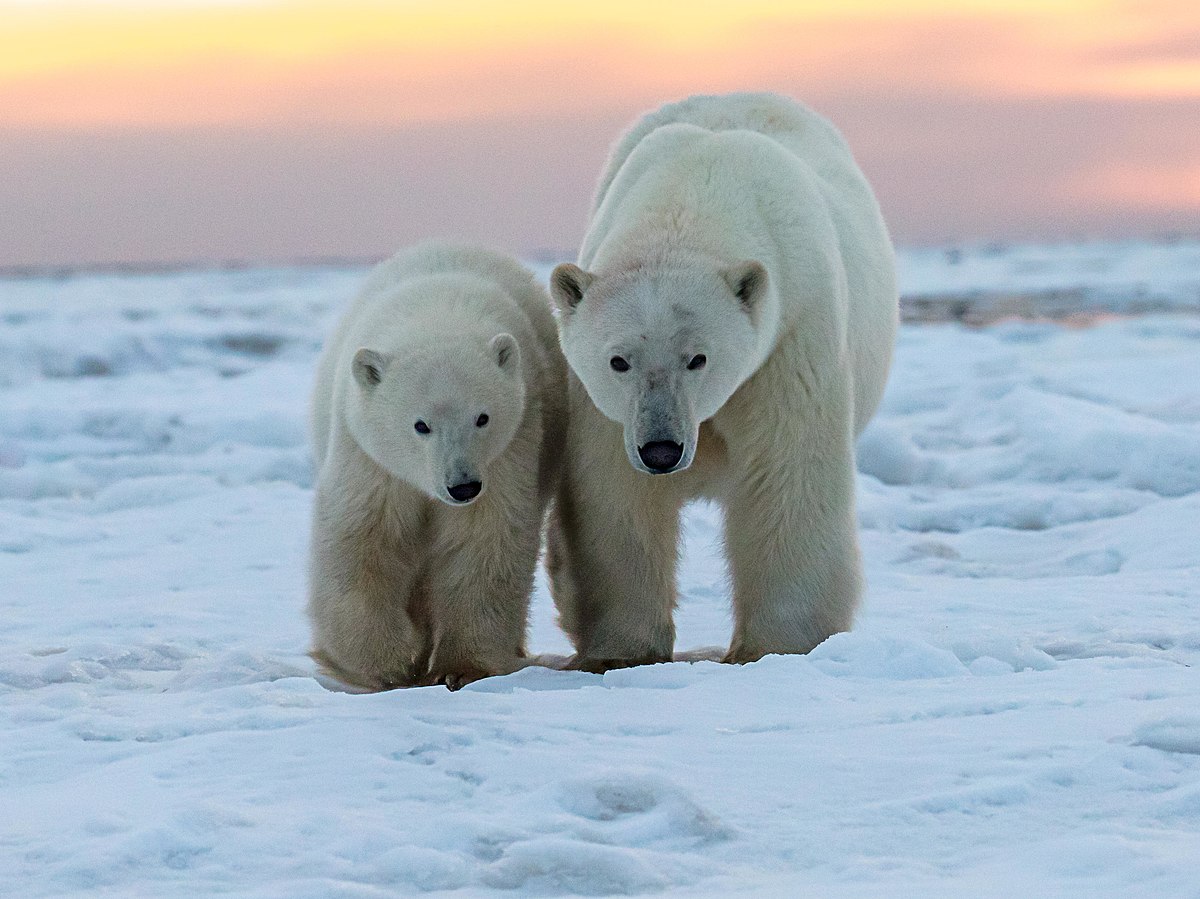
Communication around climate change tends to depict it as a far away issue or one that only impacts nature. Researchers Bennet et al. (2021) discuss how many see climate change as an environmental concern without being aware of its impacts on one’s health, food, and livelihood. This mindset can be easily understood when one considers the standard examples or images given when communicating climate change. In discussing this problem, host of The Climate Question podcast, Razzell (2021), states how images such as polar bears and melting glaciers no longer deliver the required message. Typically, a common response to these dated images is if climate change is something that only impacts areas far way from me, then why should I be concerned about it? Therefore, greater connection to the crisis is needed and may include local framing and imaging as it allows for greater recognition of local impacts. Communications researcher Altinay (2017) refers to this as “place attachment, which is defined as the bond between a person and a place.” Hence, local images that resonate with an audience can be an effective method in relaying the message. Whilst drawing attention to the fact that everyone and everything on earth will be impacted by climate change in some way, providing ways to enact change can really kickstart climate action.
Climate communication needs to provide viable ways for individuals to act. In her TED Talk, climate scientist Hayhoe (2018) argues “what we need to fix this thing is rational hope.” Consequently, knowing the fight is not lost provides the initial incentive to act, and detailing how to do that makes one’s communication more impactful. In that respect Bennet et al. (2021) state how one should “paint a simple picture of the overall pathway” (P. 3). In other words, by providing hope and laying out a pathway for success, possibilities for action shall arise. In addition, the researchers state how one should “inspire new thinking about what’s possible by elevating practical and feasible examples” (p. 3.). For instance, I find Youtuber Rollie Williams and his channel Climate Town particularly good for not only discussing climate data, but by also providing his viewers opportunities for action. This science and policy master’s degree recipient has previously encouraged viewers to move their financial dealings to institutions that do not finance fossil fuel exploration as well as demonstrating how to contact one’s local political representative regarding climate policy. Ultimately, without providing opportunity for action, communicators are more likely to find themselves in a similar predicament whereby they discuss the evidence but little or no change in behaviour is seen moving forward. Therefore, the acknowledgement of these three approaches compliments one another.
In summary, the completion of the communications course has given me greater confidence to discuss climate change with people I would not have previously felt comfortable talking to on the matter, such as family and friends. In approaching these conversations with easy-to-understand language, using locally recognizable images, and providing pathways for action provides a great starting point for me to perfect my skills as a climate communicator.
References
Altinay, Z. (2017). Visual Communication of Climate Change: Local Framing and Place Attachment. Coastal Management, 45(4), 293–309. https://doi.org/10.1080/08920753.2017.1327344
Bennet, A., Hatch, C., & Pike, C. (2021). Climate messaging that works. Climate Narratives Initiative. https://climateaccess.org/sites/default/files/Climate%20Messaging%20that%20Works%20%20Talking%20Energy%20Transition%20and%20Climate%20Change%20in%20Canada.pdf
Carrington, D. (Guest). (2020). So Hot Right Now on Apple Podcasts. [Audio podcast]. Apple Podcasts. https://podcasts.apple.com/ca/podcast/so-hot-right-now/id1513199677
City of Toronto Climate Strategy (2021, December 15). Net Zero by 2040: City Council adopts ambitious climate strategy. https://www.toronto.ca/news/net-zero-by-2040-city-council-adopts-ambitious-climate-strategy/
Hayhoe, K. (2018). The most important thing you can do to fight climate change: talk about it [Video]. TED Conferences. https://www.ted.com/talks/katharine_hayhoe_the_most_important_thing_you_can_do_to_fight_climate_change_talk_about_it
Razzell, N. (Host). (2021, December 27). BBC World Service—The Climate Question, Does climate change have an ‘image problem’? [Audio podcast] https://www.bbc.co.uk/programmes/w3ct3kjf