
Let’s start with basic knowledge about Polyoxymethylene (POM), its use cases, how it is made, and its properties. Polyoxymethylene is one of the most widely used engineering plastics, and this article clarifies why so. POM, however, has its unique properties, which help the material stand out amongst the crowd. We will also further verify why POM is the right plastic for the job by discussing the multiple areas in which it can be applied.
Once we’ve cleared everything about POM, our focus will shift towards the internal structure, or molecular structure of POM, which could further explain how POM gets its crystalline nature and the impact of polymerization on POM. Not only do polymerization and crystal shaping affect POM, but this also leads to altering density, which will be another angle we will discuss in the latter part of the writing.
Last but not least, we will also discuss the core properties of POM plastic, such as chemical resistance, thermal stability, and cognitive ability. Based on a few reviews, we will close by discussing potential engineering applications. To summarize, this is a structured approach to understanding POM.
To broaden the view, we will first examine POM’s properties concerning other engineering plastics, precisely their dimensional stability, where POM serves as a comparative standard against other thermoplastics. This will help us understand the specific merits of POM and its applications in specific industrial needs.
Finally, we will delve into the specific properties of POM, both homopolymer and copolymer and attempt to understand the difference between them and their uses. By the conclusion of this article, the density of POM plastic will not only be crystal clear to you, but its importance in the existence of other polyoxymethylenes, which is more expansive, will also be elaborated. So, let us commence on this journey, which will be quite enlightening, applying POM and starting from the insights that the density of POM contains.https://pom-material.com/pom/
What is Polyoxymethylene, and How is it Used?
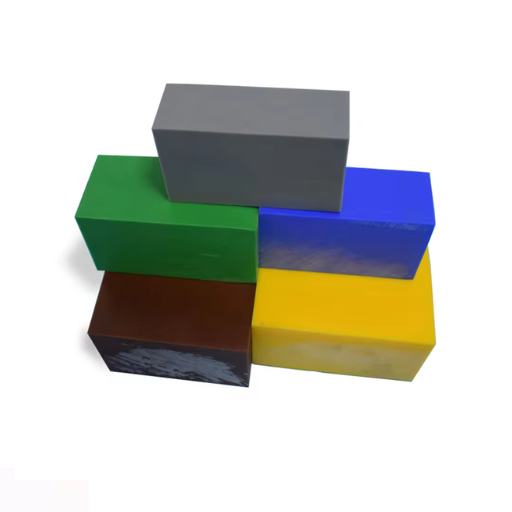
What is Polyoxymethylene, and How is it Used
Polyoxymethylene (POM), commonly called acetal, is an engineering thermoplastic with numerous applications across multiple industries. Its unique features enable it to be used in several areas,s such as automotive components, electrical parts, consumer products, and many more. So, let us now turn to the details of POM to provide a better perspective of its application and value in the realm of plastics.
Understanding the Basics of POM in the Plastic Industry
Polyoxymethylene, also known as acetal, is a high-performance engineering plastic because of its many qualities, such as chem, heat, and stress resistance. This material has impressive mechanical strength, high degrees of stiffness, and a high melting point. This applies to multiple industries, such as automotive, electrical, and consumer goods. To understand the applications of POM thermoplastic application, let us delve into its core features and uses:
- Chemical Structure: A polymer made of formaldehyde, POM consists of semi-crystalline oxyethylene (-O-CH2-) repeating units.
- Mechanical Attributes: Acetal POM also has exceptional tensile strength, impact resistance, and fatigue tolerance, allowing it to withstand stress and severe mechanical loads.
- Physical qualities: Due to the low melting point of POM, it is less likely to deform and maintain consistent mechanical and cosmetic structures through vast environmental conditions.
- Low Friction and Wear Resistance: When mechanical surfaces are sliding against each other, the interaction creates friction and may lead to the material wearing over time through the frequency of use. However, POM does have a low melting point, which allows it to consume more friction, but because of its heat resistance, it can endure it while preserving its physical qualities.
- Application: Due to its impressive melting point, tensile strength, and molecular structure, POM can be used in various industrial and household chemicals.
- Electric Insulation: POM has impressive properties as a dielectric material; hence, it is used to manufacture electrical parts and connectors.
- Milling: POM can be machined to maximum precision, thus suitable for highly detailed and machined assemblies.
- Use: POM has a wide range of uses, such as in the automotive industry (gears, fuel systems), the electrical industry (switches, connectors), and consumer goods (zippers, handles).
Comprehending the fundamentals of POM and its specialty is vital to understanding how its benefits can be applied in different industrial scenarios. Thanks to POM’s fantastic physical and chemical properties, manufacturers can develop consistent and effective products that meet their sectors’ specifications.
Applications of Polyoxymethylene in Various Sectors
Polyoxymethylene (POM) is a robust thermoplastic with broad utility in many industries due to its excellent mechanical and chemical properties. It has a wide range of applications, including;
Automotive Industry:
- Gears: Due to POM’s high strength, resistance of friction, and wear and tear, gears in the automotive system are best built using this polymer.
- Fuel Systems: POM is suitable for components such as fuel system connectors and injector nozzles because it does not react with chemicals and fuels.
Electrical Industry:
- Switches: Since POM is a good electrical insulator, it can be easily incorporated into switch components.
- Connectors: POM is perfectly suitable for electrical connectors because of its robustness and melting point.
Consumer Goods:
- Zippers: Due to POM’s low friction, which means more excellent durability, it can be effectively used in zipper parts.
- Handles: POM is also used in handles because it is chemically resistant and strong mechanically.
Industrial Engineering:
- Bearings: POM is the best material for bearings because it always self-lubricates and is highly resistant to wear and tear.
- Conveyor Components: POM in conveyor systems is helpful because of reduced friction and better resistance to wear and tear. This means less energy consumption as well as less frequent maintenance is needed.
These are only a few examples of the many applications of POM in different sectors. By employing its distinct characteristics, POM can manufacture dependable, effective solutions specifically designed to withstand the rigors of various industries.
The Role of Acetal in Polymer Manufacturing
As a polymer expert, I believe Acetal or Polyoxymethylene (POM) has many different uses in industries. This broad scope of applications is due to its excellent mechanical and chemical resistance.
Acetal’s applications in industrial engineering are significant due to its high self-lubricating and wear-resistant characteristics. Materials that require machinery parts with less friction, such as bearings, can be replaced with Acetal, which enhances the durability of the machines. Moreover, Acetal’s low friction helps the bearings in conveyor systems function effectively and efficiently, reducing the need for maintenance.
So, due to the very nature of Acetal, engineers and manufacturers can create different products that perform even better and are suited to the requirements of each industry. Be it in automotive, electrical, consumer goods or any other, Acetal has always been extremely useful and effective in polymer fabrication.https://pom-material.com/blog/exploring-pom-c-the-versatile-polyacetal-in-engineering-plastics/
How Does the Molecular Structure of POM Affect Its Density?
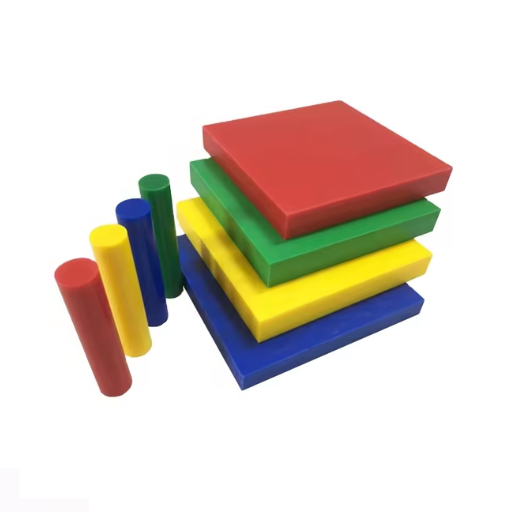
How Does POM Compare to Other Engineering Plastics
The molecular structure factor of POM, polyoxyethylene, is crucial when determining its density. POM is a polymer of high “crystallinity,” which means it is composed of molecular chains arranged in an orderly and repeating core. This structure of the chain makes up the density of POM. Furthermore, the degree of polymerization, or the number of monomers that make up the polymer chains, will also affect the density. In most instances, as the molecular weight enhances, the density of POM also tends to enhance. However, it should be emphasized that other factors, such as copolymerization and other additives, as well as other processing conditions of POM, may interfere greatly with its density. Because of this structural relationship between POM’s molecular structure and density, more references and studies should be performed for better insights.
Exploring the Crystalline Nature of POM
In my capacity as an expert, I am ready to comment on the crystalline nature of POM. While studying POM material characteristics, its crystallinity becomes one of the most important factors. Because of the polymer’s regular packing, the polymer chains of the POM crystalline structure become organized and form repeating arrangements. This crystalline structure, in turn, results in POM having excellent dimensional stability and mechanical strength.
Density varies due to several factors; one of them is that density is greatly dominated when polymerization is considered. Its obvious that with an increase in the molecular weight of POM, density would also increase. However, it is important to note other parameters affecting density, such as copolymerization, additives, and processing conditions. A comprehensive study and consulting available sources would assist one in having a better understanding of the connection between molecular structure and molar density of POM and molecular weight.
Understanding the thermal properties of POM is essential for analyzing its performance at high or low temperatures. POM has good thermal stability, a high melting point, and low thermal expansion coefficient values. These features allow it to be applied in areas that demand dimensional stability and high resistance to heat deformation.
When analyzing POM in terms of its mechanical properties, for example, parameters such as tensile strength and rigidity must be determined. POM features high strength in tension, enabling it to carry considerable weight and avoid deformation. Also, the material’s composition is rigid enough to retain its shape and structural form better when subjected to mechanical forces.
Similarly, chemical resistance is another essential feature of POM’s material properties. POM, for example, tends to resist some solvents, fuels, and many other chemicals, increasing its durability and useability in various applications. This resistance guarantees that POM will endure contact with a tough environment with little or no wear and tear and any significant loss in efficiency.
When talking of or comparing POM to other available engineering plastics, its property of dimensional stability is conspicuous. POM’s dimensions do not change despite relative humidity and temperature changes. Hence, it can be used for numerous precision engineering applications. POM is superior to other thermoplastics with reference to mechanical strength, dimensional stability and chemical resistance.
Finally, understanding the crystalline structure of POM is crucial because it, in turn, contributes to the understanding of its helpful material properties, such as thermal, mechanical, and chemical. Factors such as density, polymerization, and more –form POM that can be optimally applied for several engineering solutions.
Impact of Polymerization on Density
Density, in a way, is a function of the structure and morphogenic behavior of materials, and along with crystalline regions, the molecular weight of a polymer controls its density. Higher molecular weight implies more extensive chains of shorter and closely packed structures, resulting in a more dense polymer. This observation appears to be consistent with the increase in the degree of polymerization; the density of POM (polyoxymethylene) also rises. The plastic structural foaming of POM also correlates to its density as the structure becomes more compacted, leading to a mesomorphic or higher-ordered state of the organization.
When discussing the effects of polymerization on density, several technical characteristics must be taken into account, including:
- The degree of polymerization: The degree of polymerization of POM leads to a higher number of repeat units in the polymer chain, which also leads to a higher density of POM. The same logic can be applied in return that a lower degree of polymerization will result in an easier-to-mold polymer.
- Molecular weight: Molecular weight affects POM copolymers, which in turn affect density through polymerization. The same principle applies: the density also remains proportional as the ratio increases.
- Crystallinity: The crystalline portions in the polymer made out of POM are responsible for increasing the overall density. With this, further polymerization can strengthen the average crystalline density and thus increase overall density.
However, it is vital to be specific about the POM material’s grade or copolymerization, as this fundamentally dictates its properties. When exploring POM material applications, it is also critical to consider the polymerization of the POM and its effect on density.
What are the Material Properties of POM?
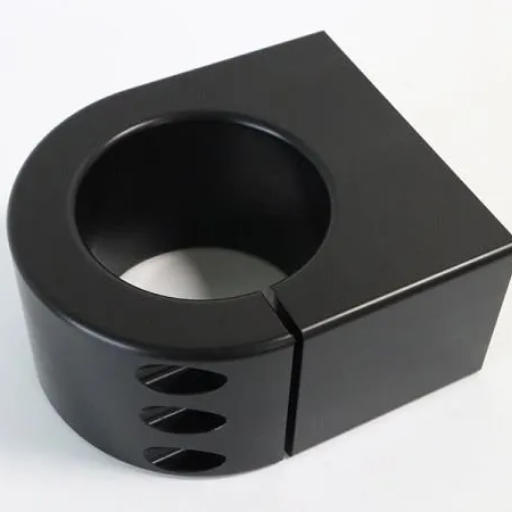
POM or polyoxymethylene, also known as acetal, possesses characteristics that make it useful in many applications. Let’s analyze the key material properties of POM:
- Mechanical Properties: POM provides many mechanical characteristics i.e. high tensile strength, rigidity and impact resistance. The properties above allow the material to be used in areas that require structural robustness and volumetric constancy.
- Thermal Properties: POM possesses decent thermal stability, characterized by high melting points and a low coefficient of thermal expansion. These factors help retain or enhance the polymer’s working conditions and usability within a wide range of temperatures, including both extremes.
- Chemical Resistance: POM is resistant to many chemicals, solvents, fuels, and even oils. This is one factor that adds to its resistance and service life in highly chemical environments.
- Dimensional stability: POM has been shown to have excellent dimensional stability. It retains its form and shape and undergoes structural changes in the presence of some mechanical and environmental forces. This property is useful for applications with high-precision benefits and components that need to function in areas with high tolerances.
- Comparative Analysis: Compared to most engineering plastics, POM is one of the best combinations of strength, stiffness, and impact resistance materials. It is well suited in many industries due to its good mechanical properties, chemical resistance, and dimensional stability.
It is crucial to comprehend the material characteristics of POM so that appropriate materials are chosen for specific applications. Engineers and designers can apply POM to different industries and applications by leveraging its mechanical, thermal, chemical, and dimensional properties.
Investigating Thermal Properties and Their Effects
Thermal properties are a significant factor in determining the applicability of POM (Polyoxymethylene).To make a decision, engineers and designers must understand these properties. In this regard, we look at the thermal characteristics of POM and their implications:
- Melting Point: POM’s melting point ranges from 165 to 175 degrees Celsius (329 to 347 degrees Fahrenheit). This implies that it can endure relatively elevated temperatures without significantly softening.
- Heat Resistance: POM is known for its impressive heat resistance, which adds to its powerful mechanical strength and consistent dimensional ratio even when heated. This characteristic would qualify POM for large-scale applications, as its heat resistance is an astounding 100-120 degrees Celsius and 212-248 degrees Fahrenheit combined.
- Thermal Expansion: POM’s thermal expansion when heated is relatively low, so it does not stretch much even with varying temperatures. This feature ensures that POM’s dimensions are stable, allowing for more efficient and accurate engineering designs.
- Thermal Conductivity: POM has low thermal conductivity, so it does not efficiently heat up. This property would be helpful in instances where heat transmission needs to be reduced.
Considering these thermal features, engineers can choose and create POM for applications that need superior heat resistance, dimensional stability, and consistent operation in changing temperatures.
Evaluating Mechanical Properties Like Tensile Strength and Rigidity
When analyzing the mechanical characteristics of acetal plastic, an engineer considers two factors: tensile strength and rigidity. Tensile strength is the maximum amount of tensile stress a material can bear before its rupture point. Rigidity, on the other hand, refers to the ability of a certain volume or shape to maintain its form when external forces are applied to it.
Acetal plastic with POM (polyoxyethylene) has good tensile strength and rigidity. It has a high tensile strength, generally equal to or greater than metals, which is advantageous since its strength and durability can be maximized and used in industrial-level applications. Furthermore, due to the mentioned factors, this material has an outstanding rigidity, meaning that its specific form will not change in any way, even when extreme pressure is applied.
There is the need to emphasize that the mechanical characteristics of particular polymers are dependent on the POM formulation, processing technology, and fillers and reinforcements. Engineers are advised to consider these aspects and perform proper tests to ensure that POM can meet the application requirements.
How Chemical Resistance Enhances Acetal Plastic Durability
Analyzing the chemical resistance properties of a given material is beneficial for enhancing the working life of acetal plastic (POM) during manufacturing and performing engineering activities as it is an acetal plastic, so it can withstand several chemicals, which is crucial while working in areas where tough materials are present. A few pointers are provided below that could aid in understanding the importance of chemical resistance in acetal plastic.
- Prevention of corrosion: The ability of acetal plastic to withstand various chemicals reduces chemical corrosion and damage to the polymer, thus ensuring the polymer remains intact and increases its life even when in contact with corrosive materials.
- Preventive measure against Degradation: The degradation or further deterioration of acetal plastic, when it is in contact with chemicals such as acids, solvents, and oils, is greatly reduced. Therefore, this will ensure that the product is reliable and functions effectively despite being in extreme conditions for an extended period.
- Seamless Compatibility: Acetal plastic is compatible with cleaning agents, oils, fuels, and alcohol. This universal applicability increases its application in various industrial sectors, including the medical domain, automotive manufacturing, and other electronic apparatus.
- Enhanced Properties: It would retain essential qualities like strength, shape intolerance, etc. An acetal plastic’s ability to resist chemical agents such as alcohol makes it more versatile even after being exposed to harsh conditions. The stability offered by such properties becomes indispensable for reliability purposes in critical applications.
It is essential to keep in mind that the level of chemical resistance offered might not be the same due to differences in formulations, additives used, and the method of processing. Therefore, the chemical environment of the application should be studied in detail along with necessary tests to determine if Acetal plastic is appropriate for use in the application.
In cases where acetal plastic is to be used and its chemical resistance is required, the following parameters are of interest.
- Chemical Compatibility: This entails utilizing compatibility charts or conducting tests to determine the compatibility of Acetal plastic with selected chemicals, acids or solvents
- Exposure Conditions: This deals with the time the material was subjected to certain chemicals and their concentration so that response factors can be determined.
- Testing Methods: This means conducting immersion tests or subjecting the material to specific chemicals, which could either be the same or different, which would determine the chemical resistance characteristics of the material.
Acetal plastic has various technical parameters which are related to a degree, and one of the most prominent is Chemist which can allow for its application in several mechanical applications with ease.
How Does POM Compare to Other Engineering Plastics?
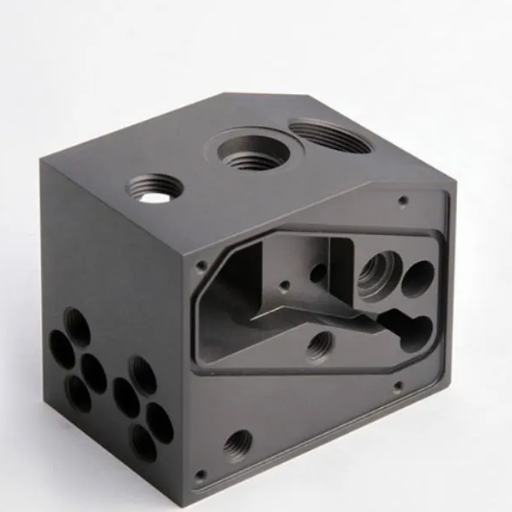
How Does the Molecular Structure of POM Affect Its Density
Let us consider wrist pieces & compare them with POM. This statement is very clear and easy to comprehend. This statement shows how all engineering pieces such as POM are workable and can withstand diverse mechanical settings & applications.
- Compatibility—Compatibility technologies typically involve one or more technical or operational factors. Proceeding stroke usability tactical factors are essential to deploy, and a detailed POM analysis can indeed be conducted.
- Effect of pressure, temperature, and concentration- The deployment of temperature, pressure, and concentration is fascinating work done to determine the responsiveness level of the piece of material. There are certain characteristics and how long the piece can withstand wearing and tear cutoff.
- Testing variables- Entering the Imm pre-Regular set campaign proposal, it can be viewed as very sponsored or more really important performers. Value metrics provide optimization interactions, like investing in the company or acquiring new verticals.
Endnote Without question, viewing the chemical resistance of various materials through POM’s technical parameters makes it quite clear that it is suitable for many mechanical applications. Materials such as POM are easy to use and can be employed in a variety of applications.
Dimensional Stability and Its Importance in Engineering Applications
In the engineering industry, dimensional stability poses a big concern as it relates to a material’s ability to keep its amount and configuration regardless of the conditions consistently. It is also vital to understand the many factors that affect the material’s dimensional stability correctly. Some pivotal aspects to note on the stability of dimensions;
- Thermal Expansion: It is critical to determine the coefficient of thermal expansion (CTE) for every material under consideration since it measures how much that material will shrink or expand whenever there is exposure to temperature extremes. Materials with low CTE values will always be stable when subjected to temperature changes.
- Moisture Absorption: Some materials are trickier than others in that moisture absorption might initiate changes in their dimensions. This evaluation enhances only the structural stability of a material, especially in humid or wet surroundings.
- Creep Resistance is defined as the time-dependent and progressive resulting from stresses applied to a material. Materials exhibiting strong creep resistance can withstand significant loads without fear of altering their dimensions and size.
- Chemical Resistance: A material’s resistance to chemicals is significant in terms of change in dimensional stability. Assessing the risk factors associated with the nature of solvents or chemicals, a material will be exposed to is advisable.
When choosing a material for an engineering application, considering these technical parameters related to dimensional stability may benefit performance and reliability over time. Testing standard practices and consulting technical specifications can also help in understanding a material’s dimensional stability characteristics, which govern decision-making.
Comparative Analysis of POM vs Other Thermoplastics
In comparing polyoxyethylene (POM) to the other types of thermoplastics, several factors come into play. Here, we conduct a systematic study aimed to reveal certain correlations between the dimensional stability and the characteristics of POM as compared to other thermoplastics, mainly in frequent use.
- Dimensional Stability:
While selecting a material for engineering applications, dimensional stability is a material property that must be considered. It is well known that, for all thermoplastics, some fibers reinforced plastics possess good dimensional stability (to the shape) and POM belongs in this category due to the following reasons:
- Low moisture absorption: About the other thermoplastics, POM can be stated as being low in moisture absorption which means the POM is likely to undergo minimal fluctuations in the humid or wet space.
- High creep ratio: It is highly imperative to mention that creep is certainly one factor that maintains the shape and dimensions of the material over a period of time during continuous loading. POM is said to have a low creep, thus making it reliable over a long period.
- Chemical Resistance:
Chemical compatibility is another integral factor when assessing dimensional stability. POM is resistant to a wide range of chemicals, solvents, and oils, which helps it maintain its shape when interacting with several environments.
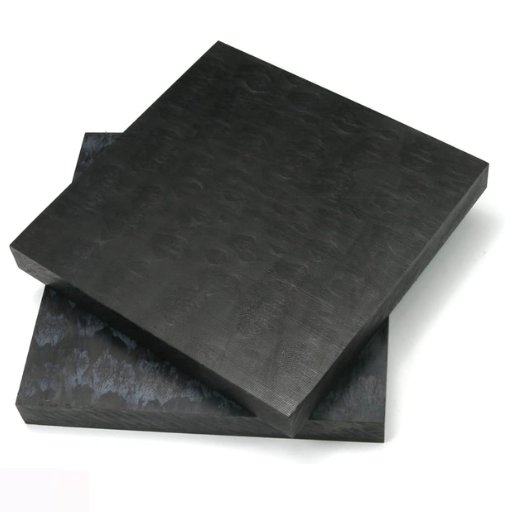
What are the Typical Properties of POM Homopolymer and Copolymer?
What are the Typical Properties of POM Homopolymer and Copolymer
To appreciate the properties of POM (polyoxyethylene) for a specific application, it is important first to understand its typical characteristics. The essential characteristics of POM homopolymer and POM copolymer are given below:
- Chemical Resistance: POM has very good resistance towards various chemicals, solvents, and oils, retaining its shape in low-tolerance areas.
- Moisture Absorption: POM absorbs moisture at a very low rate, allowing the material to be dimensionally stable without bulking or twisting.
- Mechanical Properties: POM homopolymer and POM copolymer have excellent mechanical performance under flexural loading, tensile stresses, and creep.
- Thermal Properties: POM demonstrates notable thermal characteristics, including a high Vicat softening temperature and high heat deflection temperature, resulting in excellent temperature dimensional stability.
Combined with other technical data, typical properties allow engineers and designers to estimate the suitability of POM for a particular use with regard to its dimensional stability concerning other thermoplastics.
Differences Between Homopolymer and Copolymer Structures
In the context of acetal polymers, it is essential to differentiate between the homo and copolymer structures of polyoxyethylene (POM) resins. The polymeric material known as homopolymer POM consists of repeating units of formaldehyde polymerized into the POM, forming a crystalline structure with remarkable mechanical properties. As for copolymer POM contains a negligible amount of comonomers, which is usually a derivative of ethylene oxide, improving its thermal and chemical resistance. Although both provide excellent dimensional stability, it is important to analyze the application’s specific requirements to choose the appropriate structure so that the performance and the specifications are met.
Benefits of POM Homopolymer in Industrial Use
Polyoxymethylene, as a polymer with a semi-crystalline structure and formaldehyde monomers, has several properties that make it a viable free industry material. This is a summary of the advantages of using POM homopolymer:
- Exceptional Mechanical Characteristics: The strength, stiffness, and stability of POM homopolymer are outstanding. Amid intense heat, stress, and changes in shape, the porous crystalline structure remains intact and prevents the material from failing.
- Reduced Friction: Homopolymer POM has the advantage of gaining low friction, which is suitable for resistant parts. Because of this lesser friction capability, the amount of lubrication needed is significantly lower, meaning that less power is lost to this cause.
- Resistance To Reactants: Polyoxymethylene, however, does have great resistance to solvents, oils, fuels, and other chemicals. This property assists in maintaining the structure in harsh conditions retarding corrosion and other forms of physical or chemical attacks.
- Favorable electron properties: Because POMs have low oxidation and carbon compounds, they are a great option for those looking for a material with insulation and anti-static properties. Their stability allows them to be used in a wide variety of applications, including electronics.
- Dimensional stability: POM homopolymer retains its shape and dimensional stability over a relatively broad temperature range, which aids in precise and accurate part manufacturing. This characteristic is crucial in applications requiring narrow tolerances and consistent operation.
Exploring Dimensional Stability in Acetal Copolymer
As a technical practitioner, I consider dimensional stability a crucial attribute of Acetal Copolymer. Given this thermoplastic material’s dimensional stability, one can imagine how it withstands the difficulties of varying temperatures without changing. Therefore, it is specific to operations where part manufacturing and measurement accuracy are paramount. These items are essential to note.
- Low Coefficients of Thermal Expansion: Acetal Copolymer does not exhibit high thermal expansion coefficients, suggesting that it does not tend to expand or contract greatly when temperature changes. This property is crucial for ensuring the material can take particular shapes and dimensions despite temperature differences.
- Good Creep Resistance: Creep is defined as the deformation of an object when constant stress is applied to it for a long period. Since Acetal Copolymer has good creep-resistant properties, loss of shape and form through deformation over a long period is well taken care of, meaning such a material may be employed for a long time, and it still retains its shape and dimensional measurement.
- Low Moisture Absorption: Water absorption is not characteristic of Acetal Copolymer which is essential for avoiding dimensional changes due to water absorption. Due to the material’s low moisture absorption, it is stable and of specified dimensions even in damp, moisture, or humid environments.
Technical parameters that are important for the production process are related to the manufacturer and the amount of material used. For more up-to-date and exact details, check the information provided in the manufacturer’s material data sheet, which provides detailed technical parameters relevant to the specific grade of acetal copolymer you will use.
Frequently Asked Questions (FAQ)
Q: What is polyoxymethylene (POM), and what are its main types?
A: Polyoxymethylene (POM), known as acetal or polyacetal, is a high-performance engineering thermoplastic characterized by high strength, stiffness, and excellent dimensional stability. The main types of POM are acetal homopolymer (POM-H) and polyacetal copolymer (POM-C), each offering distinct advantages in terms of thermal stability and mechanical properties.
Q: How does the density of POM plastic affect its applications?
A: POM plastic’s relatively high density compared to other polymers contributes to its excellent mechanical properties, such as high strength and stiffness. These properties make it suitable for durable and precise applications, such as gears, bearings, and other mechanical components.
Q: What are the primary benefits of using acetal homopolymer in manufacturing?
A: Acetal homopolymer offers better mechanical properties than its copolymer counterpart, including higher tensile strength and stiffness. It also provides low friction, excellent abrasion resistance, and high dimensional stability, making it ideal for precision parts in the automotive and consumer electronics industries.
Q: Why is POM popular in injection molding?
A: POM is favored in injection molding due to its low shrinkage and excellent dimensional stability, which ensure precise and consistent parts. Its high strength and low moisture absorption further enhance the performance of molded components.
Q: Can POM be used in environments with chemical exposure?
A: POM exhibits good resistance to solvents and alkalis, contributing to its robustness in chemically challenging environments. However, exposure to strong acids and UV light can degrade its polymer structure, so protective measures may be necessary depending on the application.
Q: How do the sliding properties of POM benefit mechanical components?
A: POM’s low coefficient of friction and high abrasion resistance make it highly effective for components with sliding contacts, such as bearings and gears. These properties reduce wear and extend the lifespan of mechanical systems, enhancing overall performance.
Q: What role does crystallinity play in the properties of POM?
A: POM’s semi-crystalline nature contributes to its excellent mechanical strength and thermal stability. Crystalline regions provide rigidity, while amorphous regions impart toughness, allowing POM to maintain its shape and performance under varying conditions.
Q: How does POM compare to other plastics regarding moisture absorption?
A: POM exhibits low moisture absorption, which helps maintain its dimensional stability and mechanical properties even in humid environments. This characteristic makes it advantageous over other plastics that may swell or degrade when exposed to moisture.
Q: What are some typical applications of POM materials?
A: POM materials are widely used in various industries due to their excellent mechanical and physical properties. Typical applications include automotive parts like fuel systems and door locks, industrial components like conveyor belts and gears, and consumer products like zippers and fasteners.
Q: How is POM polymerized, and what stabilizes the resulting polymer?
A: POM is typically polymerized by anionic catalysis, which involves the polymerization of formaldehyde. The resulting polymer is stabilized by end-capping with acetic anhydride, improving its thermal and chemical resistance and extending its usability in diverse applications.
Recent Comments