
Cheap superglue is probably the strongest on the market, and within a matter of seconds, it can patch up anything. Although, sometimes, one doesn’t want excessive glue and plenty of screws up and off. This is when cured super glue, which is in most DIYs, gets rather tricky to remove if one doesn’t have a proper skill set or tools, and scrapes may appear around the work surface. In this guide, we’ll provide an expert opinion on safely and effectively removing Loctite super glue from skin fabrics and home surfaces with an added context on removing adhesive glue. This article explains the list of required tools, safety measures, and a technique to follow to get effective glue removal done without causing any harm to the material. Super glue doesn’t need an introduction. However, not many understand how to get out of the glue mess, which mainly revolves around being confident and precise, and that is what all the readers will be provided.https://bearing-mechanicalparts.com/loctite-glue/
The solution to undo loctite super glue
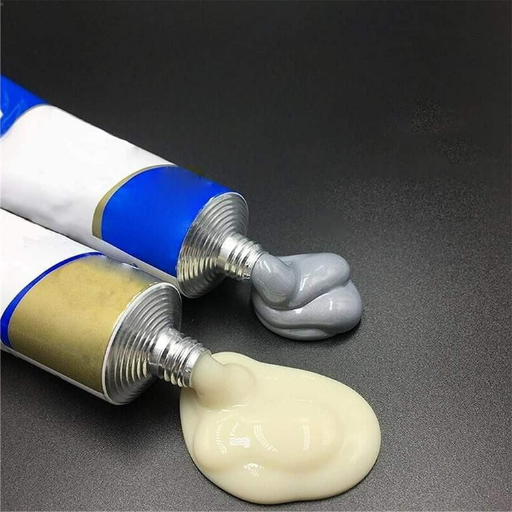
The solution to undo loctite super glue
Super glue Loctite can be removed effectively by considering the type of surface affected and then undertaking the required method. If the glue has stuck to the skin, soak the glued part in mild soapy water to loosen the adhesive and then peel it off gently. Also, glue can be removed by employing acetone-based nail polish remover, but care must be taken to ensure skin tolerance and not excessive exposure. For this example, it must be considered that using acetone to remove superglue may be too drastic. The removal of glue on fabrics can also be achieved by placing a clean cloth over the area to be blotted, using a minimal quantity of acetone and acetone-free removers on the fabric but do not rub the area, otherwise more glue will stick on the area. For household surfaces, scrape off the glue using a thin scraper and then apply acetone or a glue-removing product to allow the removal to dissolve any remaining traces of adhesive. In every instance, make it a point to wear gloves, work only in well-ventilated areas, and always test solvents in places where they will not be noticed.
Understanding the Composition of Loctite Super Glue
Cyanoacrylate, which serves as the specific bonding agent in Loctite Super Glue, is a fast-acting glue and one that forms bonds with different surfaces easily and securely. Binds Cyanoacrylate molecules participate in rapidly polymerizing when they come into contact with moisture, which in turn forms durable and intense bonds. These adhesives often include stabilizers to improve shelf life and performance and thickeners or additives to enhance specific properties, such as gap-filling or impact resistance. Considering all components of the glue allows for a more informed and practical selection of methods for both application and removal; this includes knowing the components, such as the glue’s reactivity with solvents like acetone, and the glue’s behavior.https://bearing-mechanicalparts.com/blog/loctite-super-glue-heat-resistance/
Step-by-Step Guide to Remove Loctite Super Glue
- Prepare the Work Area
Ensure the area is well-ventilated to avoid inhaling fumes from solvents or chemicals. Use protective gloves to prevent skin irritation and safeguard your hands from the adhesive and any tools or chemicals used.
- Identify the Surface Type
The techniques required to remove Loctite superglue will vary depending on the material. Glass and metals are resilient to most methods. At the same time, plastics may dissolve or warp when exposed to certain solvents.
- Applying Acetone (Nail Polish Remover)
- Acetone is the most effective solvent for dissolving cyanoacrylate bonds.
- Saturate a cotton swab or cloth with 100% acetone and dab it directly onto the glue. Allow the solvent to penetrate for 5–10 minutes.
- Gently scrape the softened glue using a plastic scraper or a soft-edged tool to avoid scratching the surface. Repeat as necessary.
Technical Parameter:
- Acetone concentration ≥ 99% is typically recommended.
- Avoid extended exposure to plastic surfaces as acetone can damage them.
- Use of Warm, Soapy Water (For Sensitive Surfaces)
- Mix warm water with dish soap to create a sudsy solution.
- Submerge the affected area (if possible) or soak a cloth in the solution and apply it to the glue for 10–20 minutes to loosen the bond.
- Gently rub or peel away the softened adhesive.
- Employing Heat
- For non-heat-sensitive materials, apply heat using a hairdryer or heat gun set to low to medium settings (approximately 120°F to 140°F).
- Heat softens the adhesive, making it easier to scrape or peel.
Technical Parameter:
- Maintain heat below 150°F to prevent potential surface damage.
- Using Specialized Adhesive Removers
- Commercial cyanoacrylate adhesive removers are designed to break down superglue without damaging sensitive surfaces. For the best results, follow the manufacturer’s instructions carefully.
- Final Cleaning
- Once the adhesive is removed, wipe the area with a clean, damp cloth to remove any solvent or glue residue.
- Follow up with a gentle polish or protective coating if needed for delicate surfaces.
- Dealing with Persistent Residue
For stubborn traces, repeat the chosen removal method or alternate between acetone and warm, soapy water. Always use minimal force to avoid damaging the underlying material.
Following these techniques and applying the appropriate solvents or tools based on the affected surface material can effectively remove Loctite Super Glue with minimal risk of damage. Always prioritize safety and test any chemical solution in an inconspicuous area before completing the application.
Common Mistakes When Trying to Remove Super Glue
- Resorting to Over-Application of Pressure
Attempting to scrape off super glue with over-aggressive techniques could damage the surface or further the glue’s sticking ability. Before any rough methods are tried, gentle approaches such as soaking or using appropriate solvents designed to dissolve superglues should always be applied.
- Overlooking an Area that is Not Easily Visible Before Testing
The removal solvent should constantly be tested on a blocked surface area as removing it otherwise often leads to the tarnishing of an object. As super glues are sensitive materials, testing them first is essential before proceeding with removal measures.
- Putting Responsibility in the Hands of the Wrong Solvents
Disbelief that any solvent can be effective has consequences since the wrong choice may fail to dissolve the superglue and physically alter the parent material. For instance, plastic or painted finishes will be damaged by acetone. However, it works instead well on most surfaces.
- Failing to Take One Step at a Time
Weakening or softening a super glue requires time. Hence, solvents cannot be layered, as this would lead to material damage and improper glue removal. It is usual for the glue not to be removed entirely during the first attempt, so violators may face friction.
- Complete Disregard for Standard Operating Procedures
Insufficient or nonexistent gloves, ineffective ventilation, and negligence of producer guidelines are often recipes for skin rash or contact with detrimental vapors. Taking precautions and wearing safety gear are critical.
Considering the basic techniques and safety recommendations, as well as focusing on the methods listed above, super glue removal can be satisfactorily done without damaging the surface that needs to be cleaned. Take your time and be careful not to make a mistake.
How to Remove Super Glue from Skin Safely?
How to Remove Super Glue from Skin Safely
Removing super glue from the skin is a delicate process that requires proper technique to avoid irritation or damage. Follow these steps for safe removal:
- Do Not Pull
Avoid attempting to forcibly peel or pull the super glue off, as this can cause skin tears.
- Use Warm, Soapy Water
To soften the glue, submerge the affected area in warm, soapy water for 10-15 minutes. Gently rub the area to loosen it gradually.
- Apply Acetone or Nail Polish Remover
If the glue persists, apply a small amount of acetone-based nail polish remover using a cotton swab. Avoid excessive use and rinse the area thoroughly after application.
- Moisturize After Removal
Superglue and acetone may dehydrate the skin. Once the glue is removed, clean the area and apply a moisturizer to restore hydration.
When using acetone, always work in a well-ventilated area, and consult a medical professional if irritation or bonding persists.
Using Nail Polish Remover for Super Glue Removal
Nail polish remover is a great option when dealing with super glue due to one key ingredient it contains: acetone. To begin, ensure the affected area is clean and dry before application. Start by taking a small amount of acetone and adding it to a cotton wool or swab. When the cotton wad is ready, gently bloat the glued part. Acetone works by negating the cyanoacrylate bond, which connects the adhesive, and many find it easier to remove the glue altogether. Do not rub this area hard since it can cause discomfort to your skin. Let ammonia stand on the glue for a couple of minutes to begin loosening the bonds of the glue.
After the glue has softened, take a collaboration of your fingers and a piece of soft fabric and lightly push of the glue. Depending on how sticky the glue is, this process can take some time; therefore, repeat this step, but be careful. Once the adhesive has been cleaned up, wash the part that has had glue with clean water and soap to get rid of any dry skin. Afterwards, apply some lotion to your moist skin. Please keep in mind that there are people who have skin sensitivity issues. Some even suffer allergies or rashes due to acetone. In such a case, end its usage and consult a doctor or skin specialist.
Alternative Methods: Vinegar and Warm, Soapy Water
Without acetone, one can use vinegar and warm, soapy water as a reasonably safe substitute for removing superglue. Glue removal is more effective with acetic vinegar’s aid as it contributes to loosening the adhesive bond with time; however, it is only efficient in small glued areas or those that are not overly large. Mix equal amounts of distilled white vinegar and warm water to use this method. If possible, soak the affected area or apply the mixture over the affected area using a clean cloth or cotton swab. Let it rest for 10-15 minutes to soften the glue.
Once you have soaked the area, use your fingers, a soft cloth, or a plastic scraper to gently scrape or rub off the glue. Take care not to use anything sharp that could damage the surfaces. Continue to work at it until all the glue is gone. After that, clean the area thoroughly with soap and water and dry it off gently. This method works well on delicate materials or skin, but it may take much time and effort compared to acetone.
Warm water with just a few drops of soap might work for more sensitive materials. Use capfuls of mild soap in water at a ratio of 1:10. Soak a cloth in the solution, rub the glued spot, and wait about 30 minutes. The soap weakens the glue’s bone-like grip, thus loosening its firmness.
To remove any leftover residue, it is recommended to use hand scraping and gentle tools. However, do so carefully so that the top surface remains intact. This method should mostly work on the skin, fabrics, and other materials, but the effectiveness may vary for stronger adhesive bonds.
Technical Note:
- The concentration of acetic acid used in vinegar solutions should be 5-8 % (distilled white vinegar).
- The temperatures recommended for adhesive loosening solutions that will not harm skin or almost any surface are above 90F (32 C) or less than 110F (43 C).
Dealing with Sensitive Skin and Super Glue
To remove super glue from the skin, you should do it very slowly, per the instructions below. In some cases, the glue could even stick and tear your skin; hence, do this cautiously. Start by putting the area affected in warm, soapy water for 15-30 minutes. This step is crucial, It makes the gluing agent softer which is why it’s easier for you to peel it off. Then, using your fingers, what do you do? You break the bond by rubbing the region gently, if needed apply olive or coconut oil on the area. Vaseline may also help, but again, don’t go overboard. If stubborn areas are left, you may apply a small quantity of an acetone-free nail polish remover, but wash off with lotion afterward to prevent dryness.
Technical Parameters:
- Water used should be between the temperatures of 90 – 110 Degrees (32 to 43 degrees Celsius)
- Use soaps free of fragrances to reduce irritation on your skin
- Do not put acetone solution on sensitive skin, it will irritate the area
- Don’t soak too much, as it might damage your skin even more in the areas that are red or in discomfort; checking the symptoms is always a must
When using the outlined approach, there are very minimal repercussions for removing superglue. If anything, your risk stays to minimal but safe borders, and the impact is none at best. This is an effective strategy and could help with your super glue removal.
What Products Can Be Used to Remove Super Glue Stains?
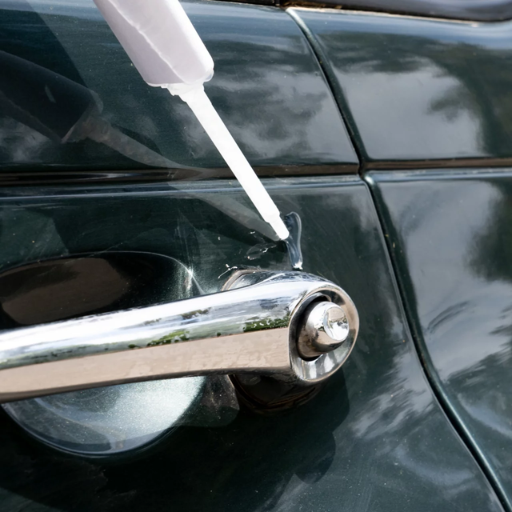
What Products Can Be Used to Remove Super Glue Stains
The best methods for removing super glue stains from skin, surfaces, or clothes are warm, soapy water, petroleum jelly, or skin-safe oils such as coconut or olive oil. These are recommended to individuals who have sensitive skin. Skin super glue residues can be removed using Nail polish removers that do not contain acetone and rubbing alcohol.” “To remove super glue from nonporous surfaces, you may have to use pure acetone or any commercial-grade adhesive remover. However, you have to test them on a small surface first to check whether it is not damaging the surface. Always read and follow the manufacturer’s instructions before using these products.
Top Glue Removers for Loctite Super Glue
When dealing with Loctite Super Glue, selecting the right product for removal is crucial to ensure efficiency while preserving the integrity of the affected surface. Below are some of the best options for removing Loctite Super Glue, along with their technical parameters:
- Acetone (Purity ≥ 99%)
Acetone is one of the most effective solvents for dissolving Loctite Super Glue. It is also efficient on non-porous surfaces like glass, metal, and certain plastics.
- Technical Usage: Apply sparingly with a cotton swab or cloth and allow it to sit for 1-2 minutes to break down the adhesive.
- Caution: Test on a small area to prevent discoloration or damage, especially on painted or coated surfaces.
- Isopropyl Alcohol (Concentration 70%-99%)
Rubbing alcohol can loosen superglue bonds on surfaces like wood, painted materials, or fabric. It is gentler than acetone and suitable for less resilient surfaces.
- Technical Usage: Apply with a clean cloth and rub gently in circular motions.
- Effectiveness: Works slower than acetone but minimizes damage risks on sensitive surfaces.
- Commercial Adhesive Removers
Products designed specifically for adhesive removal, such as Goo Gone or Un-Cure cyanoacrylate debonders, are effective and often safer for delicate materials.
- Technical Parameters: Most commercial removers include solvents like petroleum distillates or d-limonene, making them less harsh than pure acetone.
- Always follow the manufacturer’s instructions regarding application time and cleanup.
- Warm Soap and Water (Skin and Delicate Surfaces)
Warm, soapy water is a safe and effective initial option for skin or light adhesive residues.
- Technical Usage: To soften the glue, immerse the affected area for 10-15 minutes, then gently rub or peel the residue.
- Petroleum Jelly or Skin-safe Oils
These options are ideal for removing glue from the skin while avoiding irritation. Oils like coconut or baby oil can break the adhesive bond over time.
- Technical Usage: Apply generously and massage into the residue, allowing 5-10 minutes for reaction before gently scraping or washing off.
Each product and method has specific application techniques and precautions to ensure effective removal without damaging the surface or causing harm. Consider the surface or material’s nature before choosing the best remover.
Natural Solutions for Removing Glue Stains
The combination of vinegar and baking soda can help remove glue stains. This is because vinegar is a solvent that destroys glue bonds, while baking soda adds light abrasiveness to the residue.
- Instructional Quick Start: Mix equal amounts of vinegar, baking soda, and paste. Apply the paste to the stain and let it rest for 10-15 minutes. Then, wipe it out using a soft cloth or sponge, and finally, rinse with enough water.
Lemon Juice
Another option that is quite easy to find is the lemon juice adhesive remover. It works best for dry surfaces. Its acidity also helps soup up glue while dispelling the use of any harsh chemicals.
- Technical Usage: Squeeze lemon juice over the stain, leave it for 5-10 minutes, rub the area with a nonabrasive cloth, and then wash the area with water to remove any residue.
Rubbing Alcohol or Vodka
Putting it as ‘not entirely’ an option, Vodka or rubbing alcohol can be considered as an alternate option to the screw of Chemical Solvent. Vodka & Rubbing Alcohol assists in softening adhesive substances, thereby aiding in easy removal.
- Technical Usage: Dampen a piece of cloth with alcohol and put it against the glue spot. When the residue dissolves, rub the area lightly to prepare it for cleaning with water.
Remember that natural solutions are not equally effective for every glue or surface material type. Hence, it is advisable to test them in an area hidden from plain sight.
How to Use Acetone to Dissolve Super Glue
I employ some pretty effective measures to successfully remove superglue. One such measure is using acetone with cyanoacrylate bonds. Apart from foiling the adhesion between the parts, acetone does not harm any surrounding material as long as some steps are followed. Let’s quickly review them.
- MATERIAL COMPATIBILITY: Acetone damages specific finishes on paints, varnishes, and plastics. Since I work with various substances and have a no-touch policy, I conduct multiple tests on the hidden tissues or fibers and even the fabric’s raw areas before application.
- RUBBER PREP: I have used both an acetone-based solution and pure acetone for nail polish removal, and both have worked well. I devote time to preparing a cotton swab or lint-free cloth to control it during application.
- APPLICATION OF PADDING: Using a damp wipe or a soaked swab with acetone, I lightly start rubbing the glue in a roll form on the shifting object. Light pressure and small circular motions help soften the bond without excessive distortion to the Barnes.
- WAIT TIME: Time is vital in ensuring glue does not dry out. I usually reapply a coat of glue and allow it sufficient time, from anywhere between 1 and 2 minutes, to penetrate fully.
- REMOVAL: Once the glue has softened, I hold the rolling pin and scrape out the remnants with a blunt object; scraping too hard increases the chances of tearing the skinny layer of glue and damaging the parts before I make use of more acetone to clean the surface.
- FINAL CLEANING: I soak the objects in a soapy paste and warm water to remove the glue and any residual acetone before drying the surface.
Technical Parameters
- ACETONE CONCENTRATION: to increase this process’s efficiency, ensure the solvent’s concentration is 90 percent.
- EXPOSURE TIME: Due to the sensitivity of the material, try not to expose the surfaces for more than 5 minutes at a time or risk damaging them.
- Pressure: Control it lightly and evenly to make sure you don’t mistakenly scratch or damage the surface in any way.
In carrying out this method, as long as there is adherence to the use of acetone on the surface and precautions, the process almost always works.
How Do I Remove Super Glue Residue from Various Surfaces?
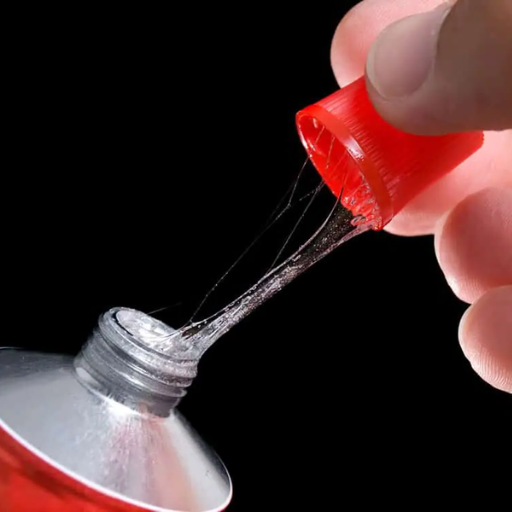
How Do I Remove Super Glue Residue from Various Surfaces
Removing the super glue depends on the equipment and how it’s done on the surface type. Here is the general outline:
- Non-porous (Glass, Metal, Plastic)
- Warm water should be mixed with soap, and the area to be glued should be tenderly soaked to expose the glue.
- A clear acetate-based nail polish remover or pure acetone is recommended to remove the particularly stubborn superglue residue. When applying this mixture, make sure to use a cotton swab and that the greater concentration of the two should be 90% or more.
- For better results, use a plastic scraper to lightly scrape the glue or a razor blade at a low angle on the surface.
- Porous (Wood, Fabric)
- Experiment with single isolated spots with a tester solvent (isopropyl alcohol or acetone is recommended) to determine whether it may cause staining or damage to the surface.
- Dip a cloth in the desired solvent and dab it over the glue residue carefully to avoid excess exposure.
- Once the glue has become looser, remove it using a fingernail or a plastic scraper.
- Skin
- Try to avoid ripping the skin apart to eliminate any form of injury.
- The glued portion of the skin and surrounding areas should be soaked in a warm mixture of soap and water for a few minutes.
- When the glue is quite resistant, one can rub dirt off the skin with pumice or acetone with utmost caution. However, the skin should be entirely washed after using such materials.
Always work in a well-ventilated space, wear gloves if necessary, avoid long-term exposure to acetone on sensitive or delicate materials, and, above all, avoid exposing the materials to acetone.
Removing Super Glue from Metal Surfaces
While removing super glue from metal parts and components, care needs to be taken so that the material is not scratched or damaged. To make this process easier, follow these steps:
- The Cleaning Process :
- Take a dry, clean cloth and wipe the metal surface to remove dust or debris. This eliminates the chances of additional particles getting stuck while the glue is removed.
- To make use of Acetone or Solvent :
- Get a swab or fabric, dip it in acetone or the adhesive remover, and use it on the metals.
- Make it a point to apply the adhesive directly on the glued surface and then allow it to rest for one to two hours for the glue to dilute. Make sure to work in a space with good ventilation with acetone.
- The Action :
- Gently scrape the softened glue with a nonmetallic or plastic scraper because metal tools can sometimes scratch the surface.
- If glue remains after the scraping, get a scrapper, apply more solvent, and repeat the process.
- Polishing and Final Steps :
- Now that the metal has been freed of glue, a gentle rub doesn’t hurt, preferably with a warm, soapy towel followed by a rinse to remove any remaining solvent.
- When dealing with polished or coated surfaces, polish or wax for metals can help achieve the desired shine.
Some Key Points and Parameters :
- Acetone-coated surfaces should not be exposed for more than 1-2 minutes to prevent damage to specific coated metals.
- Regarding the hardness of the scraper material, make sure to have non-metallic tools so the hardness is lower than that of the metal scraper.
- The first step when working with solvents on an unfamiliar surface is to confirm that there is no risk of damage to this new surface; make sure that one didn’t conduct a test on an inconspicuous area across the entire surface.
Adhering to these thorough steps and technical advice, you can guarantee a very precise and painless process of removing super glue from any metal material without damaging it and still accomplishing the goal.
Removing Super Glue from Metal Surfaces
- A few metal surfaces are getting glued and need detaching, how to go about it?
Super glue or cyanoacrylate is a strong adhesive. To detach super glue from the glued surface, it is best to go about it with a plan. Employ solvents such as acetone or isopropyl alcohol, followed by non-metal scrapers. You can try applying heat using a hair dryer or hot air gun if possible. Always wear gloves and work in a well-ventilated room when handling chemicals to mitigate skin irritation.
- What if I do not have access to acetone? Are there any alternatives?
Alternatives, if at hand, include a combination of rubbing alcohol of 70% concentration, white vinegar, and adhesive removers. These would require a more prolonged exposure to be fully active. In conjunction, mechanical procedures might help, for instance, a gentle scrape with a plastic scraper.
- Does partial preservation of a metal surface using a specific heating temperature work? Is it possible?
Super glue, also known as cyanoacrylate, can be softened using heat. However, it is critical to do so smartly to avoid damaging the metal surface. Metal surfaces sensitive to heat should not be exposed to higher temperatures for too long, i.e., 150°F or 65°C or above.
Technical Considerations:
- Solvent Contact Time: Invasive solvents like acetone or alcohol should be used for a minute, but one of the main aims is not to exceed three minutes to avoid discoloration or Other natural deterioration of the coatings.
- Temperature Range (for heat application): 120°F to 150°F (49°C – 65°C) are the best heat ranges that help reduce exposure to sensitive areas or surfaces.
- Tool Material Selection: Use plastic scrapers or implement any other tools made with less hardness than that of the metal during the cleaning process to avoid scratching.
- How can I ensure the surface is not damaged in the finishing phase?
- When using a test solvent or a few methods not to be performed on the whole surface, first check the mortally concealed part of the metal alone.
- Minimal exposure to the solvent is essential to avoid pitting or changing the color of the material’s surface.
- When scraping a boundary edge or a finished surface of the material, less force is needed to avoid gouging or disturbing the setting of the material.
With these guidelines and technical parameters, one can remove superglue from metal surfaces while being assured of its original structure and aesthetic features.
Cleaning Super Glue from Wooden Furniture
The best approach I’d suggest when dealing with super glue on wooden furniture would be to use soft approaches first and foremost. Grab a clean cloth and wet it with warm, soapy water to help loosen the bond. If that still doesn’t work, take a bit of acetone and rub it on a small area of a cotton swab. Only use it on a part of the wood that isn’t easily visible. That way, you don’t risk ruining the finish of the wood. Acetone does dissolve the glue. However, it may also strip the protective coating, so be very careful – test small amounts first. Instead of doing that, you can take a credit card or plastic scraper and gently remove glue residue – avoiding putting too much pressure on the area so you don’t get any scratches. When you are done, use wood-safe polish to restore the area to its former self.
Parameters of an Engineering Design:
- Test of Solvent: It is advisable to always test acetone or a solvent on some hidden places first before applying it on the whole wood’s finishing.
- How long it may take for Application: Apply acetone only for 1-2 minutes at the maximum to lessen the risk of a discolored finish.
- Hardness of the Tool: Tools made of plastic or materials whose hardness is less than or equal to that of the wood’s surface should be used to prevent scratching.
- Application of Pressure: When scraping, use only light to moderate pressure so as not to cause indentations on softer wooden surfaces.
Following these techniques within the required parameters allows you to remove superglue without altering the feel or appearance of your wood furniture.
Tackling Super Glue on Plastic without Damage
When we want to apply super glue onto plastic, we have to be careful about how we go about removing it. Failure to do so can result in permanent damage to the surface. Below is a simplified process that can be taken.
- Checking a Little Segment First: It is necessary to try out the glue on an unnoticeable region, away from discoloration, and check if any damage of varying degrees will occur.
- Applying Glue: After applying the super glue, it should be warmed using soap and alcohol, which is 70 % and more concentrated. Leave it quiet for a few minutes.
- Dismantling Phase: A credit card or plastic scraper can soften the plastic for the next glue phase. However, metal scrapper tools should be entirely avoided to prevent the risk of scratching any sign of an instance.
- Application of Solvents: So long as the solvents stick, acetone comes in handy but does so sparingly. Appropriately, a piece of material or a cotton bud should be used tightly to the glue around the affected area.
- Final Steps: Last, use warm, soapy water to remove any glue that needs to be reapplied. Glue retakes the last step. Finally, clean the area where it has been worked on.
This method can be problematic because removing super glue from the plastic can damage its structure and appearance. Solvents should always be approached carefully, and manufacturer guidelines should always be followed.
Can Super Glue Be Removed from Nails?
Can Super Glue Be Removed from Nails
Yes, there are ways by which super glue can be removed from nails, but these procedures are tricky because the nail surface can be damaged. Begin by dipping the affected nails into warm, soapy water for 10-15 minutes. If the glue is still hard, use a nail polish remover with acetone. This will be effective in getting rid of the adhesive. Get the acetone on cotton balls or swabs and rub the area gently to loosen the glue. Take care not to scrape too hard, as this can result in injury that affects natural nails as well as artificial ones. After removing the glue, clean and dry the nails, and apply lotion or oil to the nails to restore moisture. When working with acetone, following recommended safety measures and limiting contact with skin is best.
Safe Methods to Remove Super Glue from Nails
The main focus in safely removing super glue from my nails is gently prying it away. So here’s my step-by-step procedure. First, I soak my nails in warm, soapy water for 10-15 minutes. The purpose is to dissolve the superglue residue as much as possible. Then, I take an acetone nail varnish remover, a chemical solvent that destroys superglue bonds in seconds. I take a cotton ball and soak it in the acetone, then lightly stroke the area that has been glued. Now be careful not to scrub using your nails, instead gently rub the area until it loosens. Be careful not to scrub with any hard objects, as this can cause damage to your nail surface. After the super glue loosens, I wash my hands properly before applying a nail moisturizer. Whenever I use acetone, I make sure that I don’t expose my skin to the chemical for more than 20 minutes at a time, and I always make sure that the area where I’m working is well-ventilated.
Use a Nail Applicator to Peel Off the Glue
The use of nail polish remover should be well executed so as not to cause harm to oneself or the surface being worked on. To begin, it should be verified whether the adhesive is a type that can be removed without causing damage to the surface underneath. The ideal nail applicator in this situation has a hook for an ergonomic grip and a broad edge made of steel or strong plastic. The edge should also have an angle between thirty to forty-five degrees so there is enough torque but no excessive scratching or deformities. Apply even pressure towards the center of the glue, starting from the edges, to not spread residue. On occasion, should the bond be too strong, a solvent can be applied, but it should be chosen depending on the type of adhesive. Lastly, never forget to consider the composition of the solvent and the surface, as they should be compatible; otherwise, discoloration and damage might occur.
Preventing Damage to Nails While Removing Glue
I always focus on a gentle, controlled approach as I begin removing glue to prevent damage to the underlying nails; I take care of the nails first. I start by soaking my nails in warm water mixed with soap for 15-20 minutes to help soften the adhesive. In situations where the adhesive bond proves too strong, I apply acetone glue remover while utilizing 100% pure acetone. I refrain from forcefully scraping or pulling off the adhesive as this risks damaging the nail surfaces further. Instead, I gently scrape the loosened glue with a gentle tool such as a wooden cuticle stick. To finish, I hydrate the cuticle and skin around the nails with cuticle oil and a vitamin-enriched add-on to adequately recover the nails.
Frequently Asked Questions (FAQ)
Q: What is the best way to remove dried superglue from your skin?
A: If you need to know how to remove dried superglue from your skin, don’t worry. Soaking the area in warm, soapy water can help loosen the glue. Gently peel the glue off or use a toothbrush to scrub it away. Loctite glue remover may also work for stubborn glue.
Q: How can I get super glue residue and stains off metal surfaces?
A: To remove super glue residue from metal, apply a small amount of Loctite glue remover or lighter fluid. Let it sit for a few minutes, then wipe away the glue with a cloth. You may be able to use fine sandpaper for any remaining residue, but be careful not to scratch the metal.
Q: What should I do if I have a super glue spill on the fabric?
A: In case of a spill on fabric, the best way to remove it is to let the glue dry completely. Once dried, gently scrape off any excess glue. You can then wash the fabric to remove any remaining residue. Products used for cleaning, like Loctite glue remover, can also help.
Q: Are there any expert tips for removing superglue from surfaces?
A: An expert tip is to act quickly before the glue fully cures. You can use versatile household items like vegetable oil or lighter fluid to loosen the glue. Then, use a cloth to wipe away the softened glue.
Q: What is a quick and easy way to remove superglue from glass?
A: To remove super glue from glass, apply a small amount of acetone or Loctite glue remover to the affected area. Let it sit for a few minutes, and then wipe away the glue with a clean cloth. This method is quick and easy and leaves no residue behind.
Q: Can I use a toothbrush to remove superglue from textured surfaces?
A: A toothbrush can be very effective for removing superglue from textured surfaces. Apply Loctite glue remover and gently scrub the glue away with the toothbrush.
Q: How do I get super glue off my hands after a mishap?
A: If you are in a mishap with super glue on your hands, don’t worry. Soak your hands in warm, soapy water and gently rub them together to loosen the glue. You can also use a pumice stone to help peel the glue off.
Q: What are the products used to remove superglue effectively?
A: To effectively remove super glue, you can use products like Loctite glue remover, acetone, lighter fluid, or vegetable oil. These products help dissolve the glue, making it easier to wipe away.
Q: Is there a transcript or guide available for removing superglue?
A: While there may not be a specific transcript, many guides and videos are available online, including those on YouTube, showing how to remove superglue from various surfaces. Search for expert tips or upload original content to learn how to get superglue removed effectively.
Q: What should I do if I accidentally drip superglue on a painted surface?
A: If you drip superglue on a painted surface, be careful not to damage the paint. Use a small amount of Loctite glue remover or vegetable oil to loosen the glue, then gently wipe away the glue with a soft cloth. Avoid using abrasive materials that might scratch the paint.
Recent Comments