
When it comes to choosing a fragrance, most people are familiar with traditional alcohol-based perfumes, but perfume oils are steadily gaining popularity as a luxurious and versatile alternative. Yet, have you ever wondered what sets these two options apart? The choice between perfume oils and alcohol-based perfumes goes beyond mere preference—it affects how the scent develops, how long it lasts, and even how it interacts with your skin. This guide unpacks the fundamental differences between these two fragrance types, helping you make an informed decision that suits your lifestyle and personal style. Whether you’re a fragrance enthusiast looking to refine your collection or a curious shopper exploring your options, this article will shed light on what makes perfume oils and alcohol-based perfumes unique and how to choose the perfect scent for every occasion.Find more info now
What is the Difference Between Perfume Oil and Alcohol-Based Perfumes?
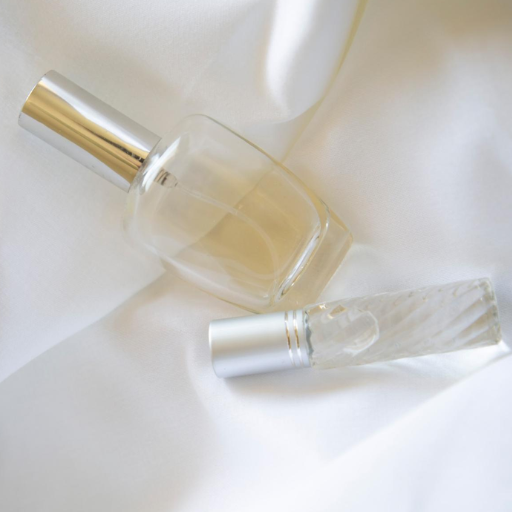
What is the Difference Between Perfume Oil and Alcohol-Based Perfumes
Perfume oils and alcohol-based perfumes differ primarily in their composition and how they interact with the skin. Perfume oils are concentrated mixtures of fragrant essential oils and carrier oils, creating a rich and long-lasting scent that adheres closely to the skin. They are alcohol-free, making them a great option for individuals with sensitive skin. On the other hand, alcohol-based perfumes contain a blend of fragrance oils and ethanol, which helps to disperse the scent more widely and provides an immediate, noticeable impact. However, the alcohol can cause the scent to evaporate more quickly compared to perfume oils. The choice between the two often comes down to personal preference, longevity needs, and skin compatibility.
How Does Oil in Perfume Affect Longevity?
The oil concentration in perfume plays a significant role in its longevity. Perfumes with higher oil content tend to last longer on the skin because the oils are less volatile compared to alcohol, causing the fragrance to evaporate more slowly. This allows the scent to cling to the skin for extended periods, often lasting several hours or even all day. Additionally, oil-based perfumes are more concentrated, which not only enhances their staying power but also reduces the need for frequent reapplication. This makes them a preferred choice for those seeking a long-lasting fragrance experience.
What Role Does Alcohol Play in Fragrance Projection?
Alcohol plays a critical role in fragrance projection due to its volatility and ability to diffuse scent molecules. It acts as a carrier that helps disperse the fragrance into the air, enabling the scent to spread and project more effectively. When applied to the skin, the alcohol evaporates quickly, lifting the scent molecules and allowing them to travel farther, ensuring a more pronounced presence of the fragrance. This property makes alcohol-based perfumes ideal for those desiring strong sillage or a noticeable scent that fills a room.
Why Choose Oil-Based Perfumes Over Alcohol?
Oil-based perfumes offer numerous advantages over their alcohol-based counterparts, making them a popular choice for those seeking a richer and more personalized scent experience. Firstly, oil-based perfumes typically last longer on the skin due to their slower evaporation rate, allowing the fragrance to linger for hours without frequent reapplication. Secondly, they are often gentler on sensitive skin, as they lack the drying effect commonly associated with alcohol. Lastly, oil-based perfumes provide a more intimate aroma, sitting closer to the skin and creating a subtle yet luxurious scent profile that is less likely to overpower. These qualities make them a preferred option for individuals who value longevity, skin-friendly ingredients, and understated elegance in their fragrances.
How Does Alcohol Affect the Scent of a Perfume?
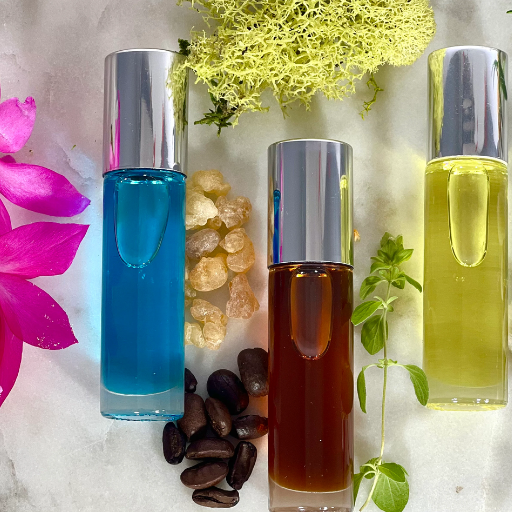
How Does Alcohol Affect the Scent of a Perfume
Alcohol plays a key role in the way a perfume’s scent develops and is perceived. It acts as a carrier for the fragrance oils, allowing the scent to be dispersed evenly when sprayed on the skin or into the air. Additionally, alcohol helps the perfume’s top notes—the initial, lighter smells—to evaporate quickly, creating an immediate impression of the fragrance. However, this rapid evaporation can also mean that the scent fades faster compared to oil-based perfumes, which release their fragrance more gradually. Ultimately, alcohol allows for a vibrant and noticeable projection of the perfume, making it ideal for those who favor bolder, longer-range scents.
Does Alcohol Evaporate Quickly in Perfumes?
Yes, alcohol evaporates quickly in perfumes. This is due to the volatile nature of alcohol, which allows it to disperse into the air rapidly once applied to the skin. Alcohol serves as a vehicle to carry the fragrance molecules, enabling the top notes to be released immediately upon application. This quick evaporation enhances the perfume’s projection and initial impact. However, it also means that these top notes fade away sooner, as alcohol does not linger on the skin. This evaporation process is a key factor in the characteristic layering of fragrances, transitioning from top to middle and base notes over time.
What is the Impact of Alcohol Content on Top Notes?
The alcohol content in perfumes plays a crucial role in how top notes are experienced. Acting as a volatile carrier, alcohol ensures these lighter, more delicate scent molecules are immediately released upon application. This amplifies the perfume’s initial freshness and sharpness, making the top notes stand out distinctly. However, due to the rapid evaporation of alcohol, these top notes tend to dissipate quickly, creating room for the middle and base notes to emerge. Higher alcohol concentrations typically lead to quicker evaporation and a more pronounced burst of top notes but reduce their longevity, emphasizing the dynamic and layered structure of the fragrance.
Are Oil-Based Perfumes Better for Sensitive Skin?
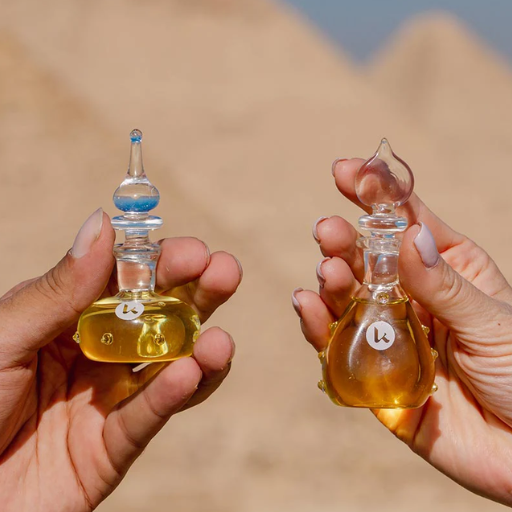
Are Oil-Based Perfumes Better for Sensitive Skin
Yes, oil-based perfumes are generally better for sensitive skin. Unlike alcohol-based perfumes, oil-based fragrances are less likely to cause dryness or irritation as they do not contain alcohol, which can be harsh on the skin. Additionally, their formulations often include natural oils that are gentle and nourishing, making them a suitable choice for those with sensitivities. However, it is still important to check the ingredient list for any potential allergens before application.
How Can Essential Oils Benefit the Skin?
Essential oils offer numerous benefits for the skin due to their natural properties. Many essential oils, such as tea tree and lavender, are known for their antibacterial and anti-inflammatory effects, helping to reduce acne and soothe skin irritation. Essential oils like rosehip and argan oil are rich in vitamins and antioxidants, promoting hydration, supporting collagen production, and reducing signs of aging. Additionally, they can enhance the skin’s natural barrier, protecting against environmental damage. However, essential oils should always be diluted with a carrier oil and tested on a small patch of skin to prevent irritation or allergic reactions. Their proper use can nurture healthier, more radiant skin.
Do Oil-Based Fragrances Irritate Less?
Oil-based fragrances often cause less irritation compared to alcohol-based ones. This is because they typically lack the high concentration of alcohol found in traditional perfumes, which can dry out and irritate sensitive skin. Additionally, oil-based fragrances are generally made from natural ingredients and essential oils, reducing the likelihood of harsh chemical exposure. Due to their moisturizing properties, these fragrances are gentler and can even benefit dry or delicate skin types. However, sensitivities can vary by individual, and patch testing is recommended to ensure compatibility with your skin.
How Do Perfumers Choose Between Oil and Alcohol?
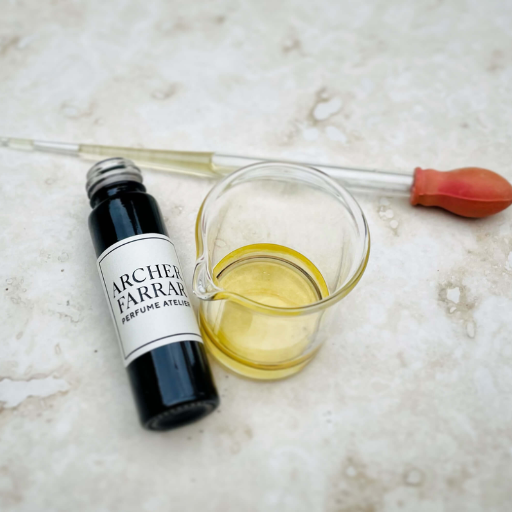
How Do Perfumers Choose Between Oil and Alcohol
Perfumers choose between oil and alcohol based on the desired scent profile, longevity, and application method. Oil-based fragrances are preferred when creating rich, long-lasting scents as oils hold onto fragrance molecules longer and release them slowly. Alcohol-based perfumes, on the other hand, are ideal for lighter, more noticeable scents because alcohol helps the aroma diffuse quickly and project further. The choice also depends on the target audience’s preferences and skin compatibility, as oil-based formulas are often favored for sensitive skin, while alcohol-based ones offer a versatile and fast-drying option.
What Factors Influence a Perfumer’s Choice?
A perfumer’s choice is influenced by numerous factors, each playing a crucial role in the creation of a balanced and appealing fragrance. Below is a detailed list of these factors:
- Target Audience and Market Trends
Understanding the preferences of the target demographic is essential. For example, younger audiences may favor sweet or fruity scents, while a more mature audience might appreciate woody or musky fragrances.
Market trends, such as seasonal demands or popular ingredients, also guide a perfumer’s choices. For instance, citrus notes tend to dominate summer collections.
- Cost of Ingredients
Natural ingredients like oud, ambergris, and rose oil are highly prized but expensive, influencing the accessibility and pricing of the final product.
Synthetic alternatives offer cost-effective solutions without compromising stability or longevity.
- Longevity and Performance
Perfumes must be carefully designed to achieve desired longevity. This depends on the concentration of aromatic compounds and the balance of top, middle, and base notes.
Data shows that Eau de Parfums (EDPs) contain 15–20% aromatic compounds, making them longer-lasting than Eau de Toilettes (EDTs), which typically hold 5–15%.
- Skin Compatibility and Type
Different skin types interact uniquely with fragrances. Oils may last longer on dry skin, while alcohol-based perfumes may evaporate rapidly.
A survey revealed that 30% of consumers prefer oil-based formulas for their compatibility with sensitive skin.
- Alcohol vs. Oil-Based Formulas
Depending on the intended use, alcohol-based formulations may be preferred for their quick diffusion, while oils provide richer, intimate scents.
- Cultural and Regional Preferences
Regional differences heavily impact a fragrance’s composition. For instance, floral fragrances are highly favored in Europe, while spicy and warm notes dominate Middle Eastern markets.
- Environmental and Sustainability Considerations
Increasing awareness of sustainability has prompted perfumers to source eco-friendly ingredients and avoid those linked to harmful environmental practices, such as endangered sandalwood species.
- Regulations and Allergens
Strict regulatory guidelines, such as those issued by the International Fragrance Association (IFRA), limit the use of certain allergens and compounds, shaping the choice of ingredients.
These factors collectively ensure the perfume not only smells good but aligns with consumer expectations, budget, and global standards.
How Does Personal Preference Play into the Decision?
Personal preference plays a pivotal role in the decision-making process because scent is highly subjective and deeply personal. For me, it’s about finding a fragrance that resonates with my unique personality, evokes positive emotions, and matches the occasion or season. My choices are often influenced by memories, sensations, and how a perfume makes me feel, rather than just its popularity or composition. Ultimately, I choose what feels authentic to me.
What is the Process of Denaturing Alcohol for Perfume Use?
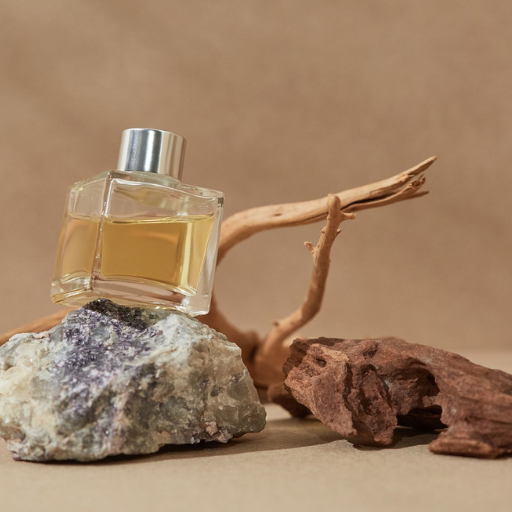
What is the Process of Denaturing Alcohol for Perfume Use
Denaturing alcohol for perfume use involves adding specific substances to ethanol to make it unsuitable for consumption while ensuring it remains effective as a solvent for fragrances. Common denaturants include methanol, isopropanol, or denatonium benzoate, which alter the alcohol’s taste and smell without impacting its ability to blend with essential oils and aromatic compounds. This process is primarily done for regulatory and tax purposes, as denatured alcohol is exempt from beverage alcohol taxes. The result is a safe, non-drinkable base that enhances the longevity and dispersal of perfumes when applied to the skin.
Why Use Denatured Alcohol in Perfumery?
Denatured alcohol is a key ingredient in perfumery due to its unique properties that make it ideal for creating fragrances. Firstly, it acts as an effective solvent, seamlessly blending essential oils and aromatic compounds to form a consistent and stable solution. Its quick evaporation rate allows the fragrance to diffuse more readily on the skin, enhancing scent projection and longevity. Additionally, denatured alcohol is skin-safe when used appropriately in perfumes and does not impact the integrity of the fragrance. Finally, its use ensures compliance with regulatory and tax requirements, making it an economical and practical choice for perfumery.
Is Ethyl Alcohol the Same as Perfumers Alcohol?
Ethyl alcohol and perfumer’s alcohol are related but not identical. Ethyl alcohol, also known as ethanol, is a pure and common form of alcohol found in various industries, including beverages and cleaning products. Perfumer’s alcohol, on the other hand, is a specialized blend designed specifically for creating fragrances. It typically consists of denatured ethanol combined with additives like fixatives or essential oils that enhance scent performance and make it unsuitable for consumption. While both share ethanol as a primary component, perfumer’s alcohol is uniquely tailored for perfumery, ensuring optimal fragrance diffusion, stability, and safety.
Frequently Asked Questions (FAQs)
Q: What is the main difference between oil vs alcohol-based perfumes?
A: The primary difference lies in the base of your perfume. Oil-based perfumes use an oil base like fractionated coconut oil, whereas alcohol-based perfumes use alcohol, often denatured with tert-butyl alcohol. This affects how the fragrance is experienced and how long it lasts on the skin.
Q: How do oil-based perfumes benefit the wearer compared to alcohol-based ones?
A: Oil-based perfumes tend to have a longer-lasting fragrance as oils do not evaporate as quickly as alcohol. They also tend to be less irritating to the skin, making them suitable for those with sensitive skin.
Q: Why do alcohol perfumes often have a stronger initial scent?
A: Since alcohol evaporates quickly, alcohol-based perfumes tend to release their fragrance notes more intensely at first, providing a strong initial scent that gradually fades.
Q: Can body heat affect the performance of oil-based or alcohol-based perfumes?
A: Yes, body heat can enhance the fragrance notes of both oil and alcohol-based perfumes. However, oil-based perfumes may react more subtly, creating a unique signature scent that blends with your natural body chemistry.
Q: Are natural perfumes typically oil-based or alcohol-based?
A: Natural perfumes can be either oil or alcohol-based. However, many natural perfumes prefer an oil base since it can carry the natural fragrance ingredients without the need for synthetic additives.
Q: How does the dilution of fragrance ingredients differ between oil-based and alcohol-based perfumes?
A: Oil-based perfumes are typically less diluted, meaning they contain a higher concentration of fragrance ingredients. In contrast, alcohol-based perfumes may be more diluted to create a lighter, more diffusive scent.
Q: What are some common misconceptions about using oil vs alcohol-based perfumes?
A: A common misconception is that oil-based perfumes are weaker or less effective. In reality, they offer a different type of fragrance experience, often being richer and longer-lasting due to the oil base.
Q: How does the making of your perfume affect its longevity?
A: The making of your perfume, whether it is oil or alcohol-based, impacts its longevity. Oil-based perfumes last longer on the skin, while alcohol-based ones may need reapplication more frequently but provide a stronger initial scent.
Q: What role does fractionated coconut oil play in oil-based perfumes?
A: Fractionated coconut oil is a popular choice for an oil base in perfumes due to its light texture and ability to enhance the scent’s longevity without altering the fragrance notes.
Recent Comments