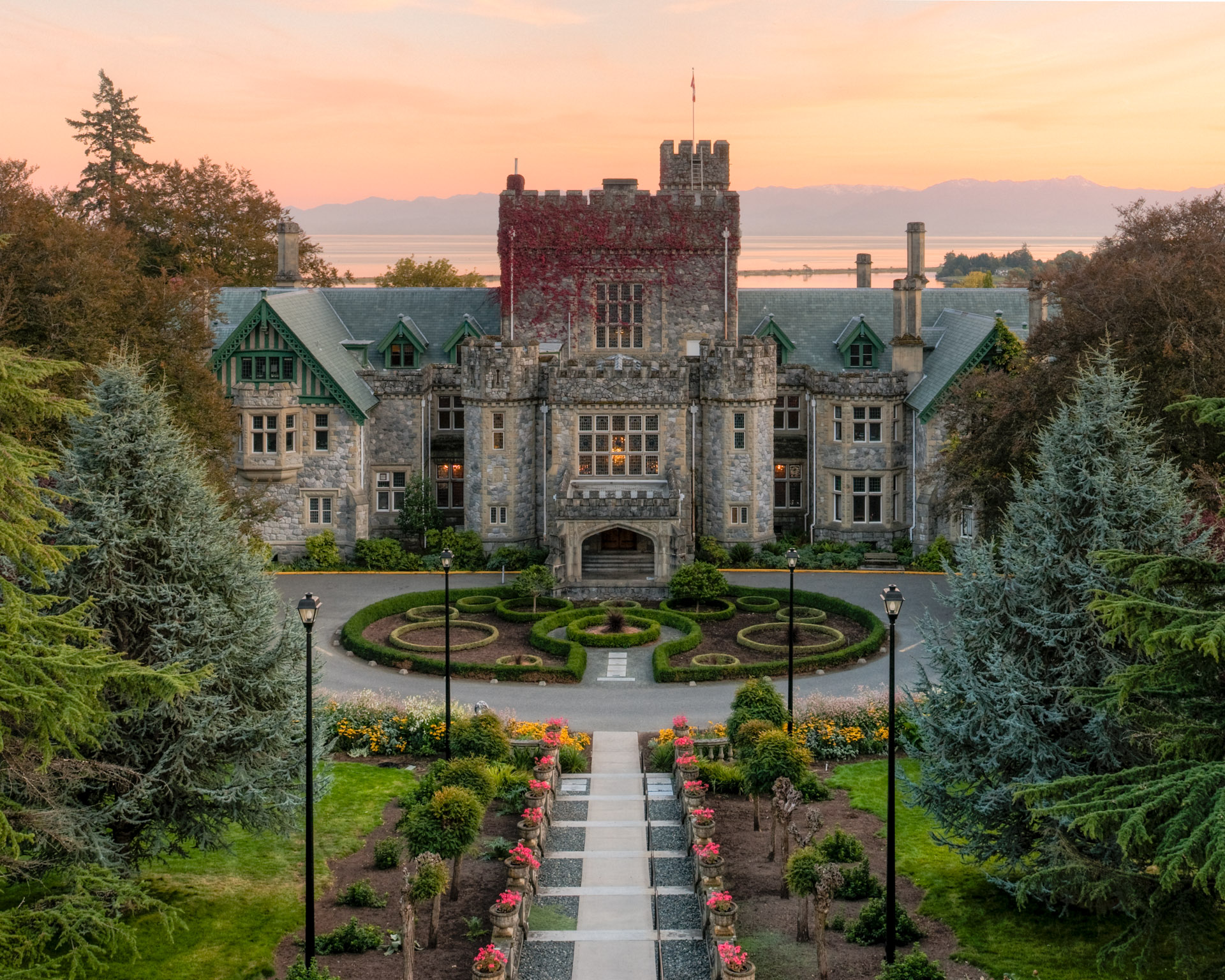

Thanks to Rosie, our university librarian, for dropping this one on my desk. Authored by David F. Labaree in 2017, it details the history of post-secondary education in the United States. From its humble beginnings as a venue for the development of the clergy to a world class system of research universities.
Over this period of a couple of hundred years, the massification of the university, resulting in huge social opportunity gain has resulted in a rising cost to society. Undergraduate education is seen as almost universal now and in order to maintain the finances of the system, institutions are turning to increased graduate enrolment (particularly at the professional masters level) and international enrolment.
“At various times, and all at the same time it (the university) has existed in order to promote the faith, enrich developers, boost civic pride, educate leaders, produce human capital, develop knowledge, educate leaders, produce human capital, develop knowledge, provide opportunity, promote advantage, supply a pleasant interlude between childhood and adulthood, help people meet the right spouse, expand the economy and state power, serve as a minor league for professional sports, serve as a major venue for public entertainment as well as a massive jobs program.”
Many would argue that this list is not exhaustive but it begins to articulate the broad range of services that we have come to expect from a university to a broad range of stakeholders.
Universities are also being increasingly asked to be more transparent and accountable for these services. Others are asking universities to be more focussed.
It is Labaree’s suggestion that universities have ended up in this position due to a combination of institutional autonomy and consumer sensitivity and it is these two properties that are a great strength. Simple interventions that seem like obvious efficiency related suggestions should be viewed with care since their unintended consequences could upset the fabric of what has made the universities adaptive and successful over the last century.
Nevertheless, the problem remains and while he doesn’t say it directly, I think Labaree is suggesting that we let the perfect mess that is the university system figure it out, it is that very mess that will enable the creative solutions.
And now for something completely different – in the Summer 2018 issue of Trusteeship, Michael Crow and Derick Anderson from Arizona State University call for an entirely different approach to the declining financing problem. They suggest a new approach to the operational logic of a university that they call the academic enterprise where faculty are encouraged to be knowledge entrepreneurs.
| Academic | Academic Bureaucracy | Market | Academic Enterprise | |
| Faculty Self Concept | Self-governing professionals | Administrative functionaries responding to rules | Commodity labourers | Knowledge entrepreneurs |
| Management Assumptions | Management drawn from and blended with faculty | Traditional public managers are different from faculty | Professional management is distinct from faculty and acting entrepreneurially | Management drawn from and bended with faculty but acting entrepreneurially |
| Accountability Mechanisms | Faculty and management professionalism | Audits, public reporting, standardized testing | Student choice, standardized testing | Demonstrated economic and social progress |
| Primary Funding Mechanisms | Enrollment funding from State, endowments | Enrollment funding from State | Vouchers, performance-based | Diverse sources arising from institutional entrepreneurship |