
The course Strategic Tourism Marketing has opened my eyes to many possibilities in how to manage a destination in a sustainable way. One of the very important factors that contribute to the sustainable success of a DMO is its collaboration with not only partners but also other DMOs. I strongly believe in collaboration over competition, and I think destinations are each other’s partners, not competitors. My individual presentation project on DMO collaboration for this course has helped strengthen my point of view and belief.

Hello everyone,
Today I would like to talk about collaboration. A year ago I had a formal conversation with a DMO, and they asked me where in the region that I have explored. I started listing out all the attractions including one that was outside of the region, about 1 hour drive. And then they said “oh, we don’t care about that part”.
That conversation has been in my head ever since, and it kept me thinking so much about collaboration. I keep wondering, would tourism in both regions be better if they care? What is collaboration and why it is so crucial, what is good collaboration and what are the elements to it. Let’s watch this video to find out.
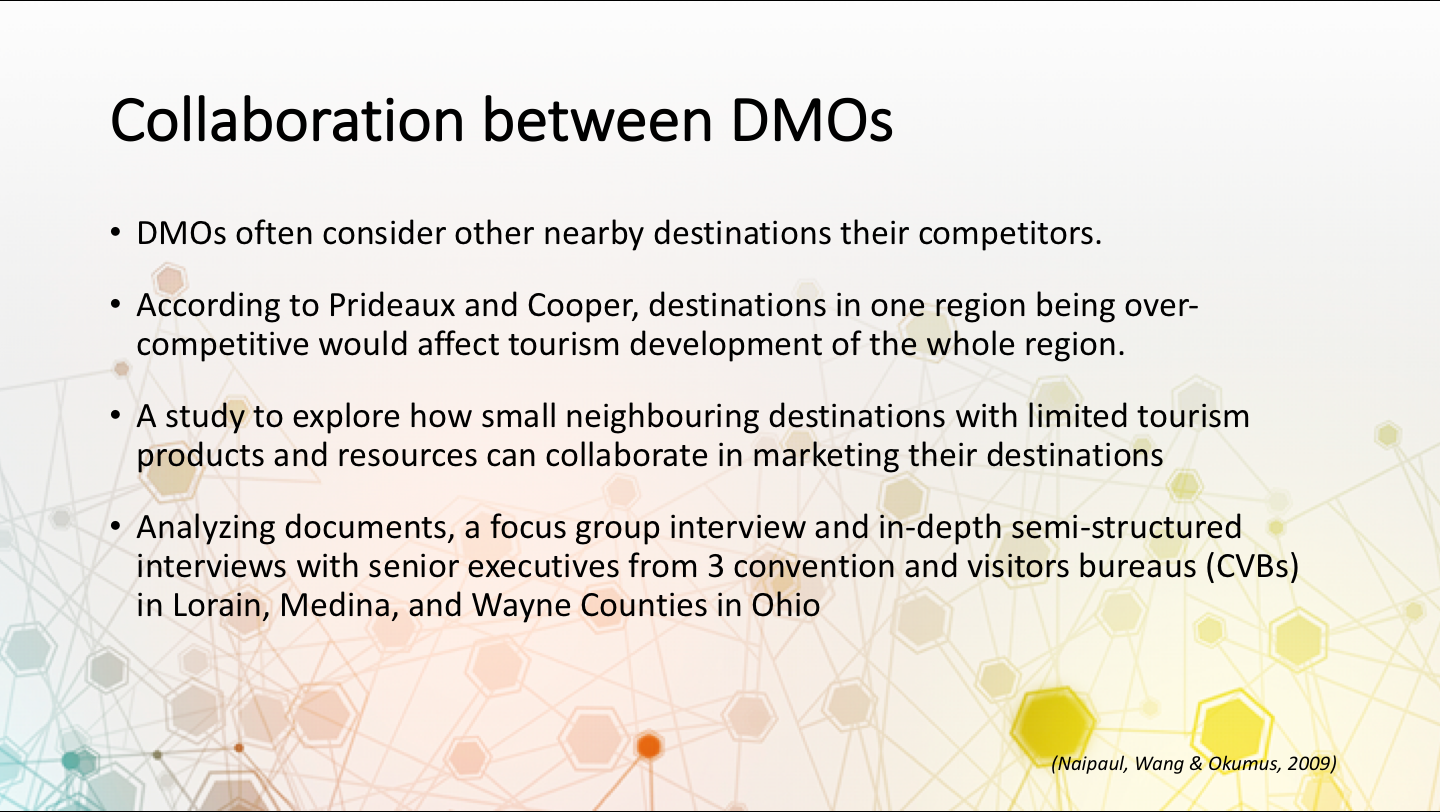
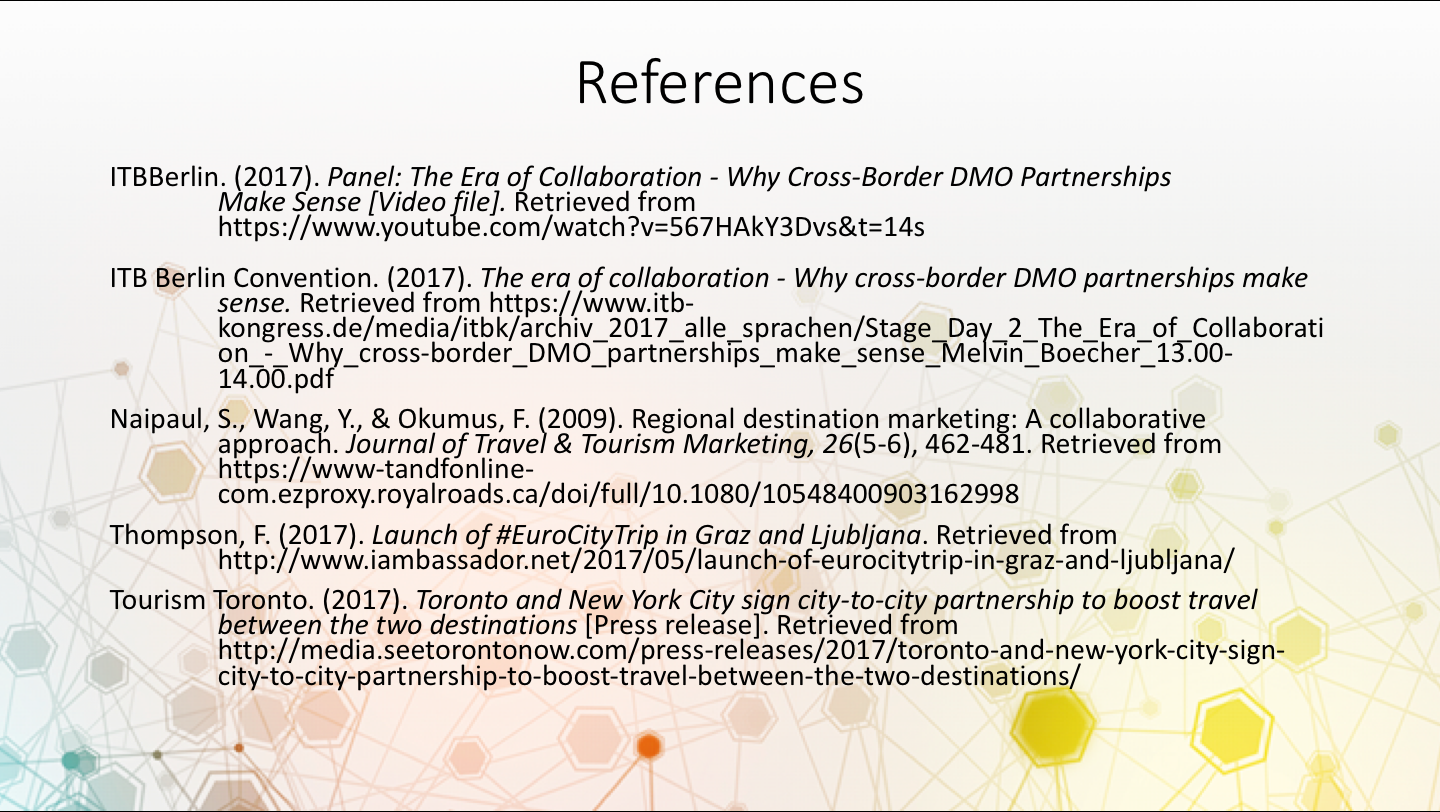
Collaboration is great and also challenging. A study by (Naipaul, Wang & Okumus in 2009) claims that DMOs often consider other nearby destinations their competitors; however, destinations in one region being over-competitive would affect tourism development of the whole region. Therefore, the study was conducted in order to evaluate collaborating opportunities of small neighbouring tourism destinations with limited resources by analyzing documents and interviewing senior executives of 3 convention and visitors bureaus (CVBs) in Lorain, Medina, and Wayne Counties in Ohio.
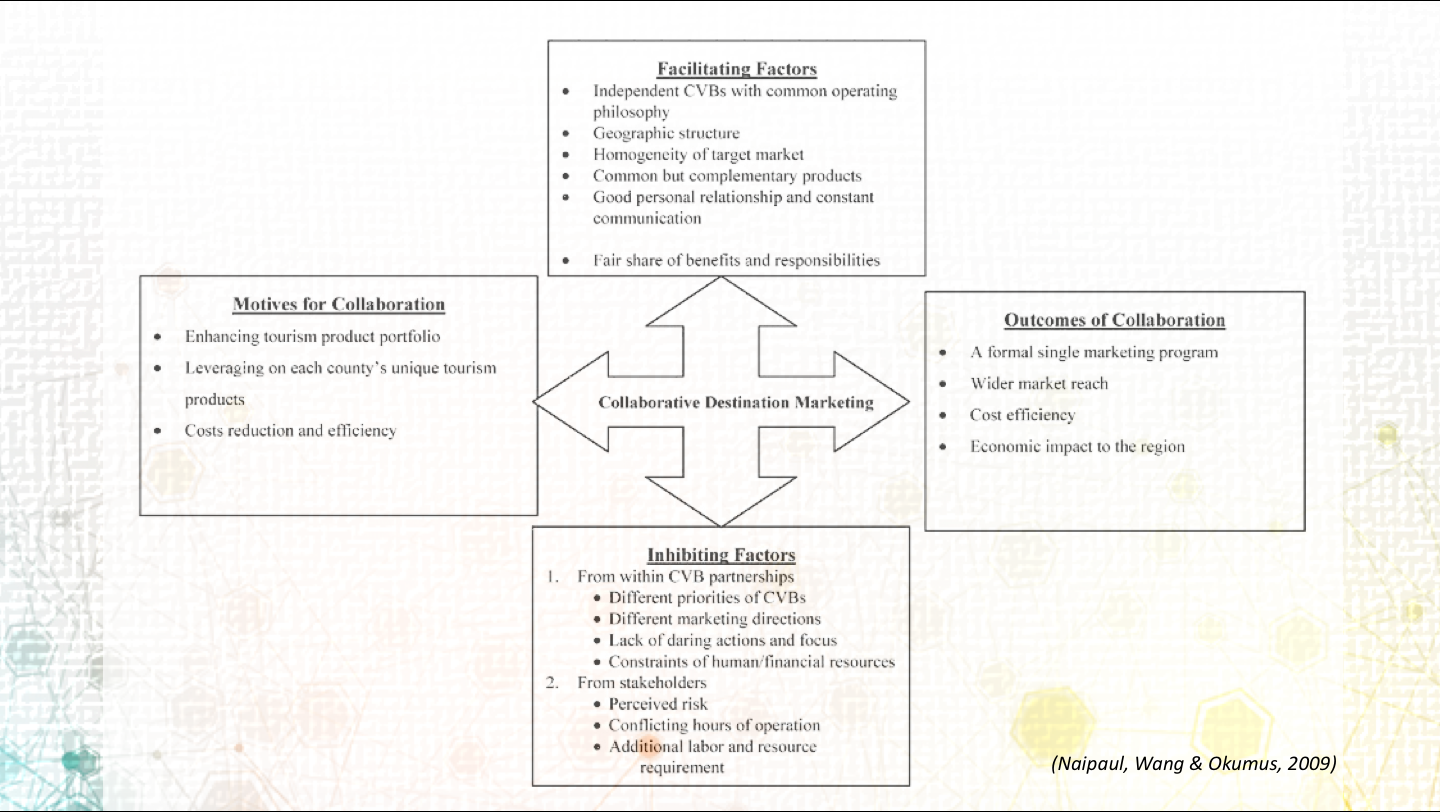
The study was focused on 4 key areas: (a) motives for forming collaborative partnerships among DMOs; (b) the facilitating factors in forming partnerships; (c) challenges; and (d) the outcomes of collaborative activities.
There are a lot more opportunities opened when it comes to collaboration; however, DMOs also need to face some challenges especially in balancing the differences in opinions and directions, and determining the responsibilities of each party involved.
Let’s take a look at the pictures below and compare the ones on the left and the ones on the right. They are from 2 different destinations. What do you think they are doing? What’s the purpose?



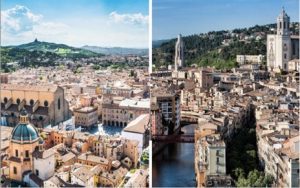

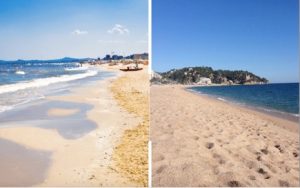
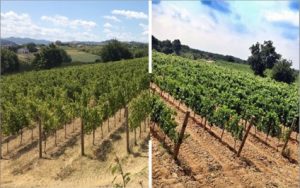
You probably think that they are competing. But…
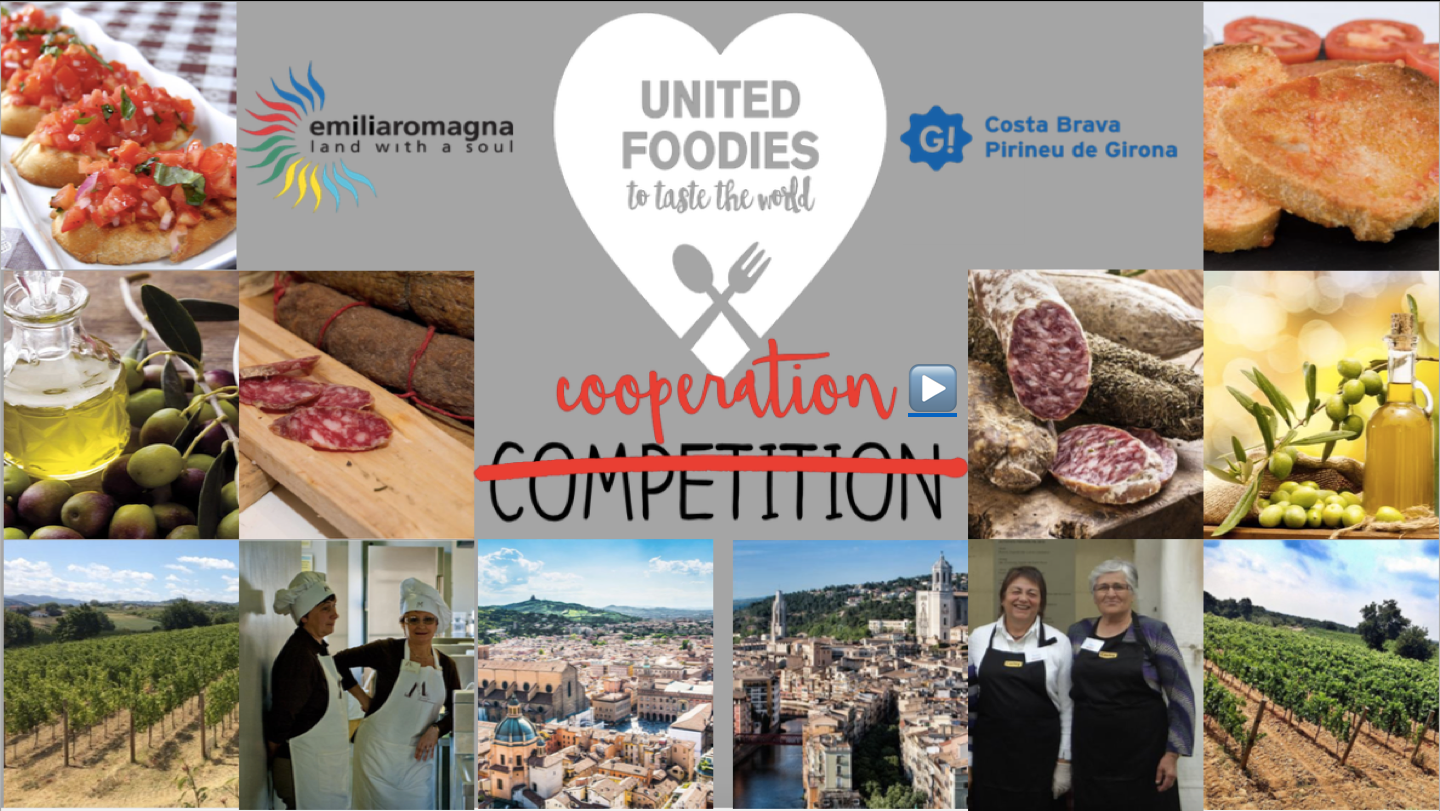
… in fact, they are collaborating with each other. The pictures on the left are from Emilia-Romagna – a region in Italy, and on the right you see Costa Brava in Spain. In 2016, they partnered with iambassador – a travel influencer community in a campaign called Eurofoodtrip since these 2 destinations are the home of the best and second best restaurants in the world. Here’s a quick look of what they are doing.
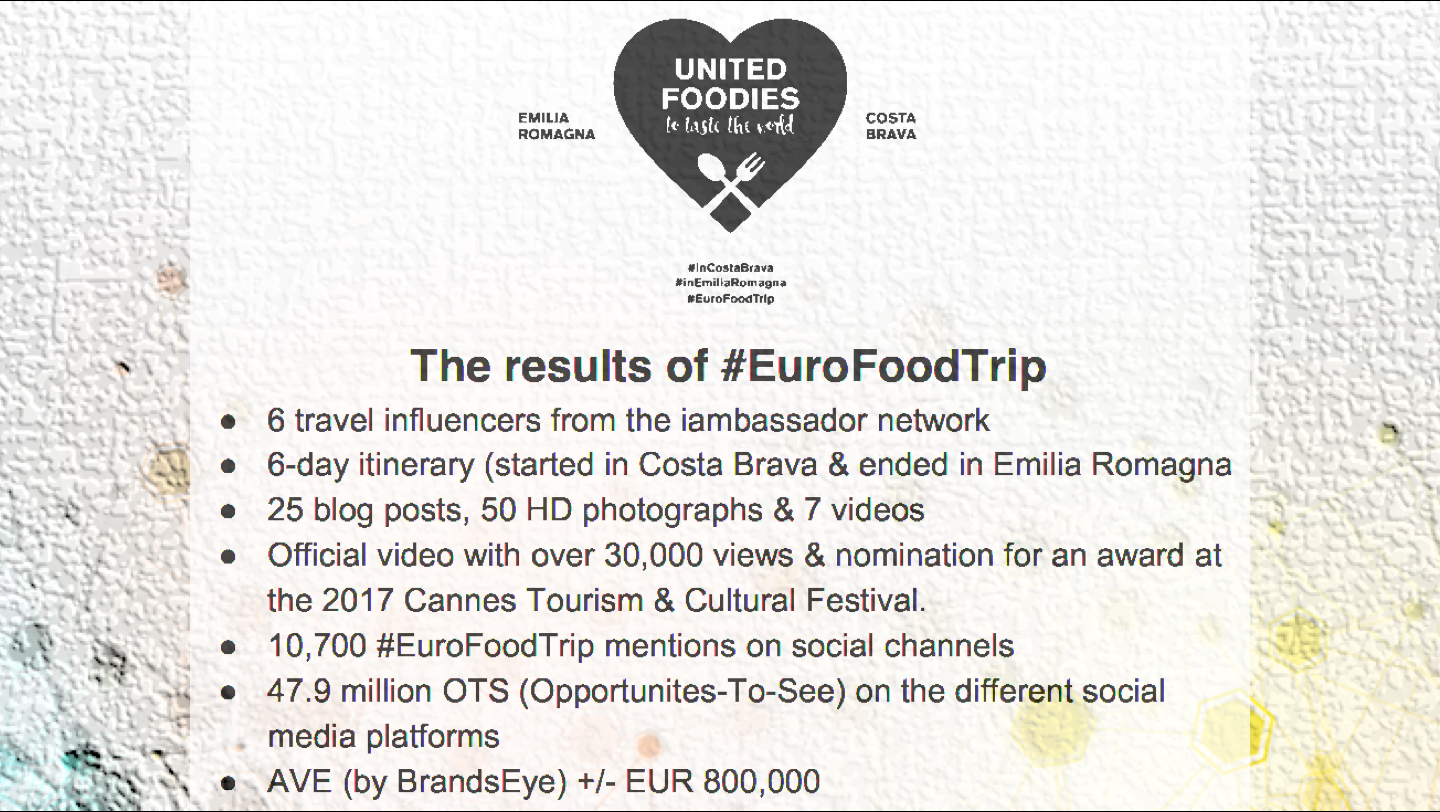
Below is the result of the campaign. This campaign was the winner of World Travel Award for Europe’s Leading Marketing Campaign 2017.
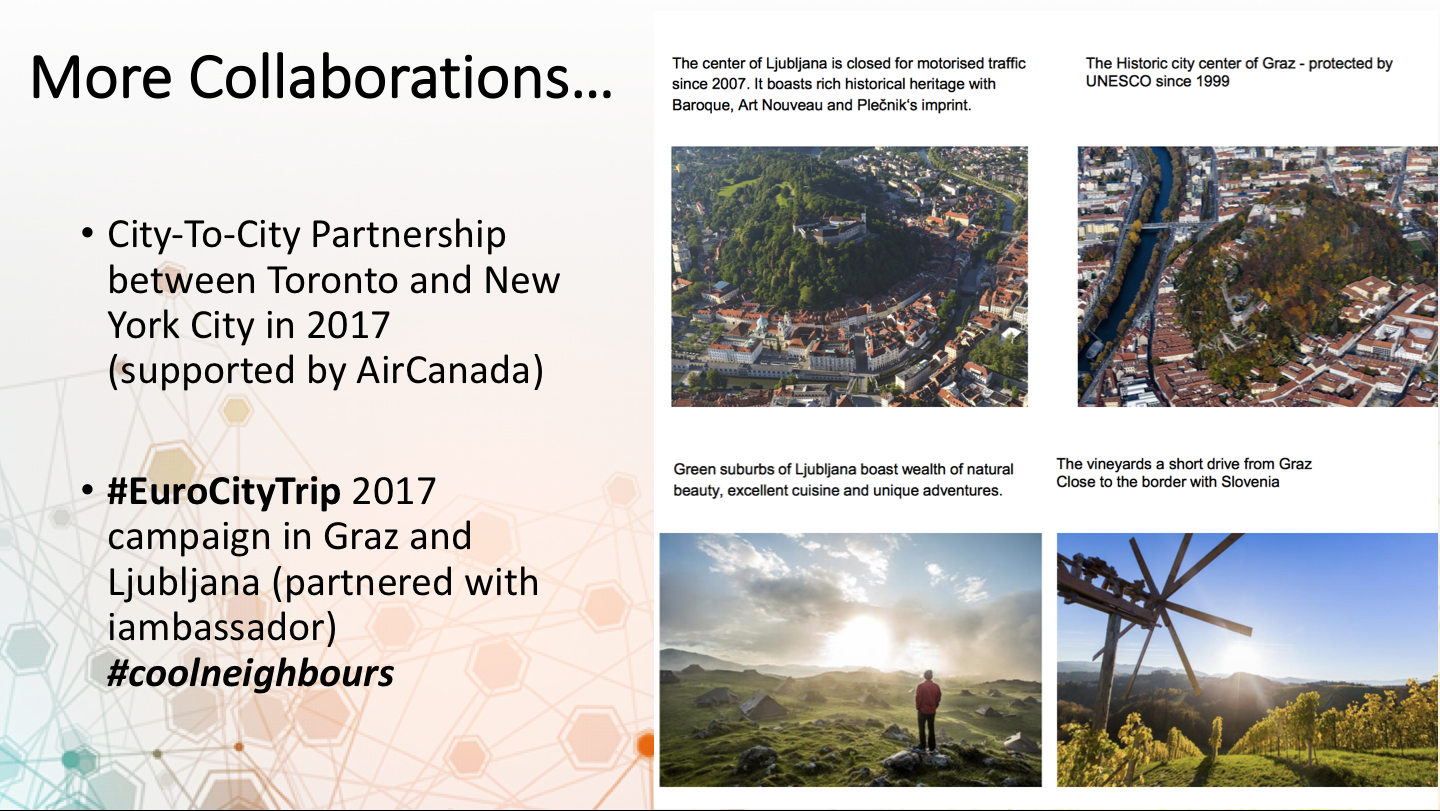
Another example is the City-To-City Partnership between Toronto and New York City which was signed in 2017 in order to boost tourism in the 2 cities. Toronto would invest in marketing and promoting NYC in Toronto and the same would happen in NYC. To celebrate this partnership, AirCanada offered low-fare flights for travelling between these 2 cities.
Following the success of Eurofoodtrip, in 2017, iambassador continued to team up with another 2 cities: Graz in Austria, and Ljubljana – the capital of Slovenia on a campaign called Eurocitytrip. It’s the same practice: travel influencers from iambassador would go on an itinerary through the 2 cities and tell their stories. Again, from the pictures, you can see that these 2 cities are so similar since they’re just 2 hour away, but they believed that what made the differences is the people, and travelers and visitors are invited to come to experience both cities. They believe that travel inspiration cannot be found on a tourism website; it’s from the stories of people who have experienced the destinations. They believe that tourism has no border, and they are each other’s “cool neighbours”. They encourage other DMOs to have the same vision.
Thank you for listening!
My presentation in PDF can be found here.