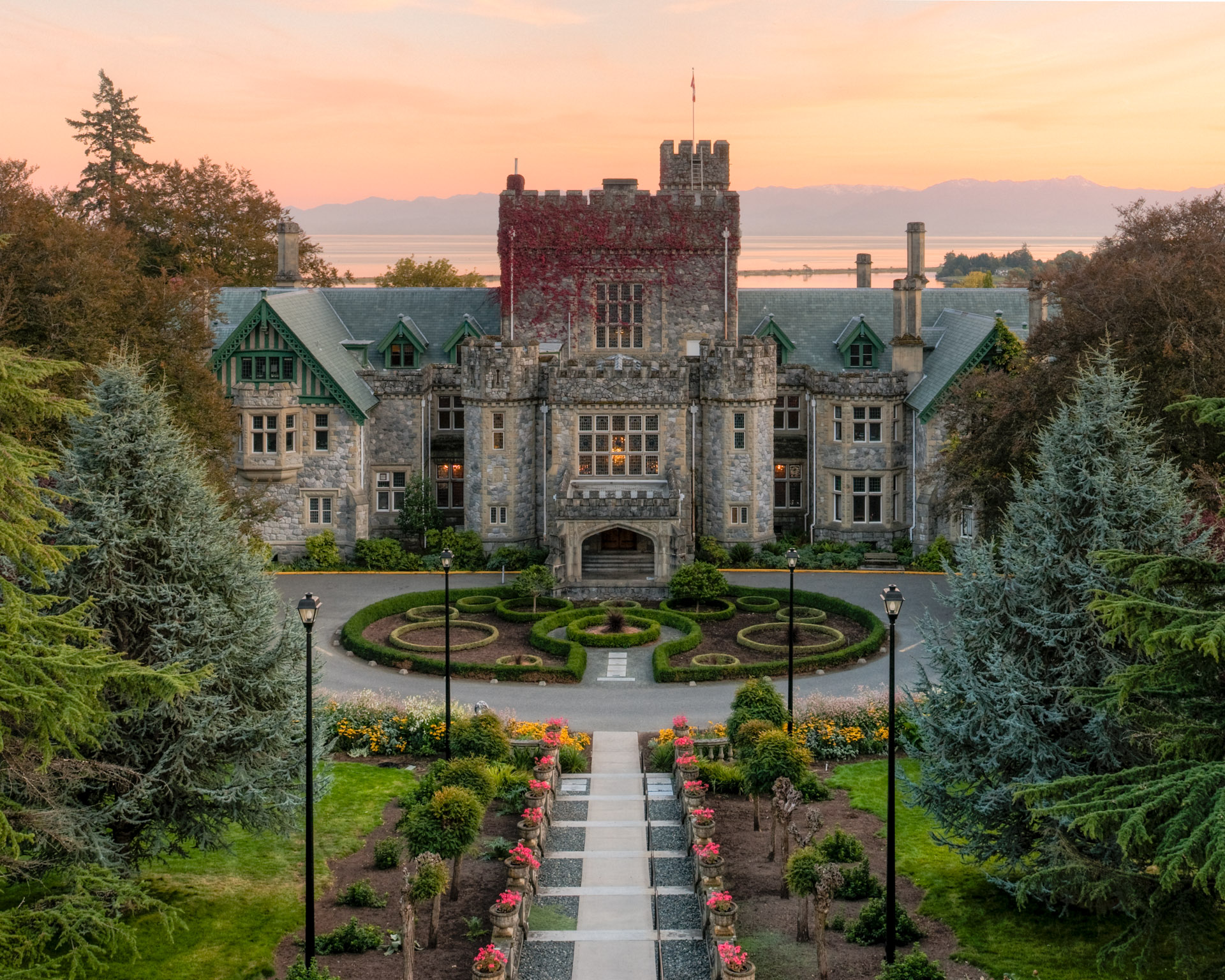

I recently visited Quest University in Squamish, BC. Aside from the most beautiful setting Quest is an interesting university on a number of fronts. Here are a few:
- It is a private not-for-profit, I believe it is the only Canadian private secular university, but I could be wrong.
- Tuition is $34,000 and accommodation and meals are additional.
- It is fully residential (on-campus) for all four years of the undergraduate program.
- Maximum class size is 20.
- There is only one program a Bachelor of Arts and Science.
- Freshman class intake targets around 200 students.
- About 17% international, 46% Canadian and 37% US (the US and Canadian numbers have just reversed for the Sept 17 intake).
- Faculty contracts are initially for 1 year, renewable for a further 2 years, then 3 years and then 6 years, there is no tenure and no ranks.
- They do not have an academic senate but have an academic council.
- Classes are delivered via a block curriculum.
It is the latter that is quite interesting. Instead of studying 5 courses in a 13 week semester (or various similar models), the students study each course sequentially in 3.5 week blocks. Each block is about 4 credit hours. Each semester contains 4 blocks with two semesters per year. Students get the last two days off so each block is effectively 4 weeks. Quest borrowed heavily form Colorado College that has been using this model for many years.
For the first year (8 blocks) the students study a core curriculum of liberal arts and sciences. The second year contains more electives but students must complete a language requirement as well as social science components and scholarship and culture. The second year is completed with the formulation of the student’s question which will then guide their course selection in 3rd and 4th year that also requires experiential and capstone components. Questions have to be far reaching, difficult and interdisciplinary.
There is no question that this curriculum is challenging and rigorous. It requires a dedicated group of faculty and the outcomes are exceptional. But it is impossible to say whether the exceptional outcomes are due to the block format of the curriculum or small class sizes or dedicated faculty or highly motivated faculty. I think the latter three may be more significant than the block.
The block is also a difficult vehicle to look at subjects in a broad survey like way especially where a great deal of knowledge needs to be digested and reflected upon. It is, however, exceptional at diving deep into a subject area. Some faculty commented that their third year students were operating at a graduate level but in a very narrow way. So in some respects, the block would appear to work against the fundamental underpinnings of the liberal arts and science foundation that they are building as the base for the students in first and second year. This call for a return to core arts and science curriculum is mirrored elsewhere but maybe the block is not the way to deliver it.