In Chapter 2, we learned about the importance of learning about your audience prior to engaging in science communication. When you do this on social media platforms, it’s a practice known as social listening.
Social listening is when you take the time to find and follow the people you wish to reach on social media networks. Then you spend time learning about the topics they are interested in, the hashtags they like to use, their preferred platforms, and other ways the online community connects with one another.
To engage in social listening you:
- Follow influencers and other members of your community of interest on appropriate social networks.
- Make note of key topics, hashtags and other post content.
- Keep track of key times that people seem to be active online.
- If possible record all this information, and use it to help you craft future content for your posts.
The website Social Media Today provides an overview of social listening. Click on the image below to find out more.
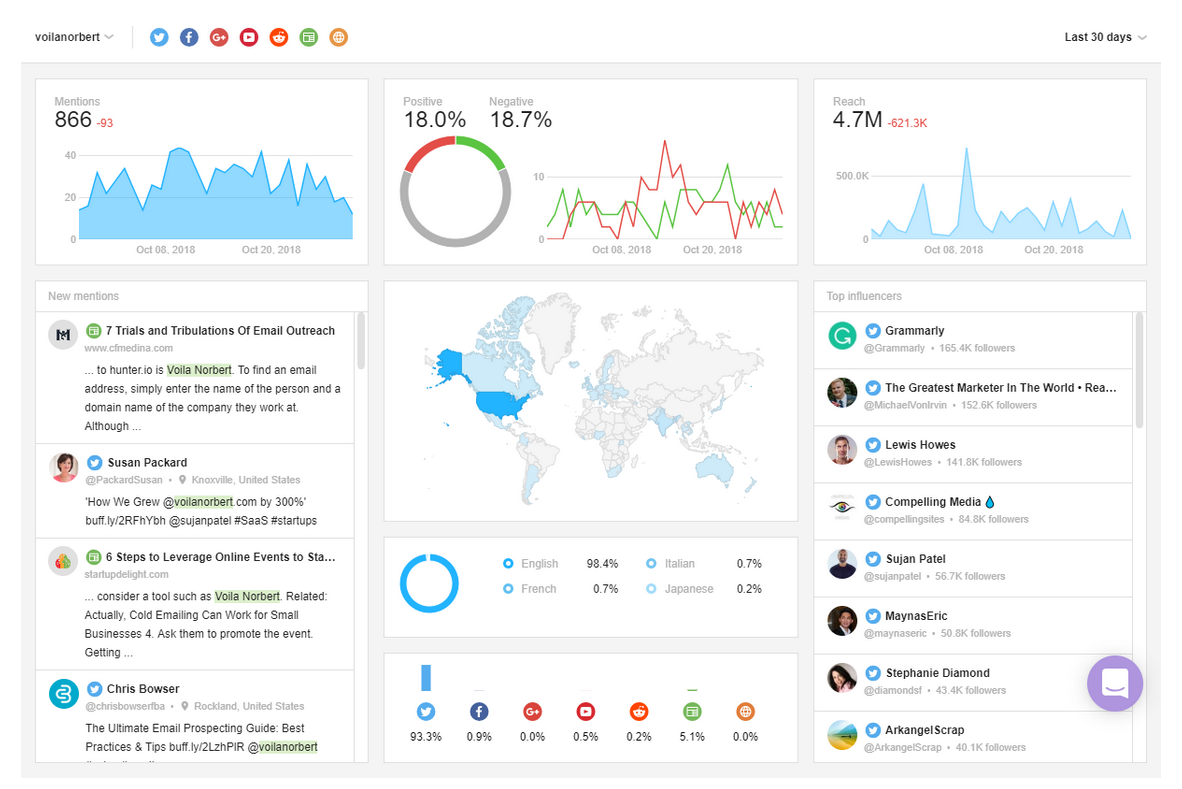
You’re not a brand, but your science does relate to a specific topic or area of interest that you can search on social media to find the conversation. You can use the search function in most social media sites, plus an excel spreadsheet to track what people are saying about your topic, or if you want to get fancy, you can use a tool specifically designed to collect and analyze conversations on social media. This list from MarketingLand provides recommendations for 6 reasonably priced social media listening tools (link to article: 6 of the best social listening tools for 2019).
When you engage in social listening, you’re looking for the following clues:
- Key topics that your community likes to talk about
- Key hashtags used by the community frequently
- Key questions posed by the community
- Key individuals (influencers) who are often reposted or discussed by the community
- Key times that your community prefers to post
- How often your community posts on social media
- Key platforms that your community uses
You use the clues you find to target your online communication. For example, you can mention key influencers, post at popular times, use the most used hashtags, and post about the most popular topics or questions. This information will allow you to really tailor your social media posts to the audience that is most likely to engage with them.
Once you’ve identified how you are going to post and the key people and platforms you should be engaging with, you can start to put together a content calendar. The next page will discuss how to put together a content calendar for social media.