Social media and web 2.0 have presented exciting new possibilities for sharing research with the world. While our research in the academy is often confined to discipline specific conferences and academic journals, stuck behind paywalls and accessible only to others in the academic community, self publishing our work on blogs, twitter, facebook, or other platforms allows researchers to communicate their work to a broad audience.
This trend is exciting. As you can see on this blog, I can, with no intermediary, share in plain language, why I think my research is important. People can access my work from around the world, and we can engage in debate or take research in new directions. Furthermore, it’s in the interests of society as a whole. As an academic, my work is at least in part funded by tax dollars. Thus it can be argued that I have an obligation to make my work available and accessible to the public who helps to fund my work.
With these social and scholarly benefits, it’s no wonder that many are advocating that all academics turn to social media platforms to share their research. Unfortunately, however, the question of whether or not to discuss your work in public online is neither simple nor straightforward for many women and people from marginalized populations – particularly those who work in critical gender and race studies, game studies and STEM.
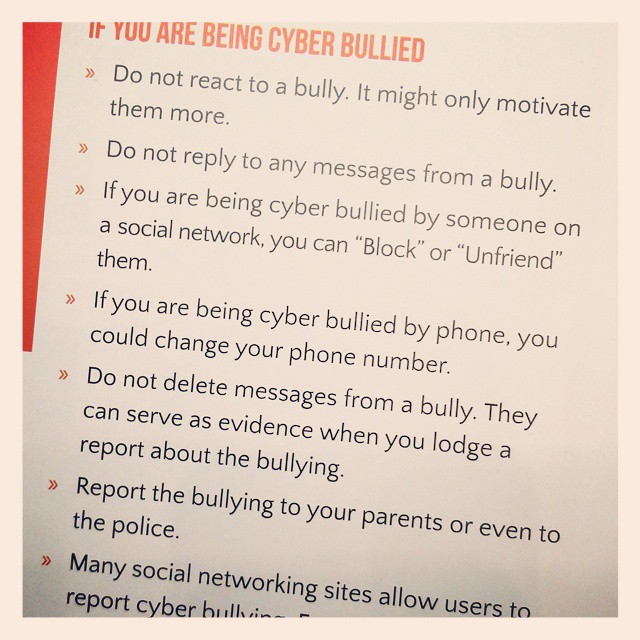
Recent research has shown that some academics (women, LGBT, PoC for example) are more likely to be subject to harassment when they are open about their identities online. This tends to be exacerbated when marginalized academics are within certain fields and discuss their work online. When harassment occurs, people tend to want to withdraw. They either stop posting on social media altogether, or they stop writing about the topic that they felt was the catalyst for the harassment they experienced. When faced with pressure from colleagues or bosses to be active online despite harassment, these individuals can face burnout or worse.
So how do we strike a balance between advocating for online open public scholarship and supporting the psychological and professional safety of those people who are more likely to be subjected to the trauma of online harassment? I don’t know the answer yet, but I think one direction may lie in creating new options for academic publishing. I imagine a cooperative and collaborative online open access journal, run via each institution, which supports anonymous or pseudonymous research sharing by members of the academic community. A publication in which researchers can submit plain language blog posts which can be cross posted to social media by the institution and which represents the output of the research. Once submitted, the academic who wrote the post does not assume the responsibility of moderating the post, rather the responsibility lies with the institution. And the benefit of such a system would be that the work itself would be removed from the identity of the person who wrote about the work. In this case, it’s the research dissemination equivalent of musicians auditioning for the symphony behind a screen – and it thus could have a levelling effect.
This recommendation is not without challenges or limitations, and I welcome suggestions for how we could think about this issue differently, or even better solutions to the problem. But importantly, I think we need to HAVE this conversation in the first place. It’s important to recognize that access comes in many forms. While we all have technical access to publish about our work online, some people have better effective access than others. Thus if we’re advocating for open research dissemination, we must figure out ways to make it an equal opportunity for everyone. This means making it safe for all types of people to engage in.