Sunlight: The Promises and Perils of Open Government

Sunlight is the best disinfectant,” as the saying goes, meaning that transparency, or openness is always preferred over the alternative. Whether in business, government, or science. It is often assumed that open information is always better, or as the hacker ethic states “information wants to be free.”

But is open by default really the best approach? Particularly in the area of government? Can we not conceive of information that really should not be freed? Whether for national security purposes, or personal privacy, or even efficiency’s sake?
Light Up The Open

“Light Up The Open”by cogdogblog is licensed under CC BY 2.0

Sunlight: The Promises and Perils of Open Government

What if finding your online community hurts others?

The beauty of participatory and social media has always been its ability to connect people. That is also the great evil of these platforms.

Social media allows what Barry Wellman calls networked individualism. In contrast to geographic or familial communities where we are brought together through accidents of fate like where or with whom we were born, networked individuals are not forced to conform to community norms to fit in. Instead, they can use network technologies to maintain their individual quirks and find others who share their unique interests and ideals in online communities. This is a beautiful and terrifying vision.

Frankenstein
“Frankenstein” by Britta Frahm is licensed under CC by 2.0

A year ago today, 10 people were killed and 16 injured when a young man rented a van and drove it onto the sidewalk. The perpetrator engaged in this action, as part of an “incel” or “involuntarily celebate” rebellion. The incel group is a group of men online who openly express misogyny and claim that they should be “given” women to have sex with. The attack targeted women. Incel communities on the internet celebrated following the attack.

Continue reading “What if finding your online community hurts others?”

What if finding your online community hurts others?

The Private Turn

Is social media becoming less social?

In early 2018, Facebook users were stunned to learn that Cambridge Analytica had used a loophole in Facebook’s API to harvest data from millions of users who had not given free and informed consent for the use of their data. Prior to this reveal, people around the world were already growing concerned about the spread of fake news and misinformation on social media and how this information may influence elections. This event sent apprehensions into overdrive and even sparked a #DeleteFacebook online movement, of sorts.

Elon Musk backs #DeleteFacebook, and Tesla's and SpaceX's Facebook pages vanish
“Elon Musk backs #DeleteFacebook, and Tesla’s and SpaceX’s Facebook pages vanish” by marcoverch is licensed under CC BY 2.0

Continue reading “The Private Turn”

The Private Turn

Language matters: The carbon tax edition

Today is the day the carbon tax takes effect in Canada, and I can’t help but notice it’s also April Fool’s day.

But the carbon tax is not a joke. Instead it’s an attempt, backed by solid economics research (article paywall), to cut greenhouse gas emissions by putting a price on the burning of fossil fuels.

Shell Gas Station
“Shell Gas Station” by Mike Mozart is licensed under CC by 2.0

Continue reading “Language matters: The carbon tax edition”

Language matters: The carbon tax edition

Don’t Trust #CdnMedia – how anti news discourses spread during the last election

Popular opinion is that fake news and distrust of the mainstream media was mostly a problem during the 2016 US election and the ill-fated Brexit vote in the UK. However, before either of these things happened, we actually saw anti-news sentiment in small pockets of Canadian social media chatter. During our last election in 2015 people were beginning to use the hashtag #CdnMedia to criticize mainstream media sources and accuse journalists of working for the Liberal government. As we enter another election year, we may want to learn from what happened before, as I suspect this type of chatter will only become a bigger player in 2019.

Vizrt Kurdsat 1 News @ 6 HD Graphics.
“Vizrt Kurdsat 1 News @ 6 HD Graphics.” by arshan khan is licensed under CC by-nc-nd 4.0

Continue reading “Don’t Trust #CdnMedia – how anti news discourses spread during the last election”

Don’t Trust #CdnMedia – how anti news discourses spread during the last election

New Online Resource: About Online Harassment

For the past 18 months, I have been part of a research team that looks at the effects of online harassment for researchers and scholars who need to be on social media for the purposes of their work.

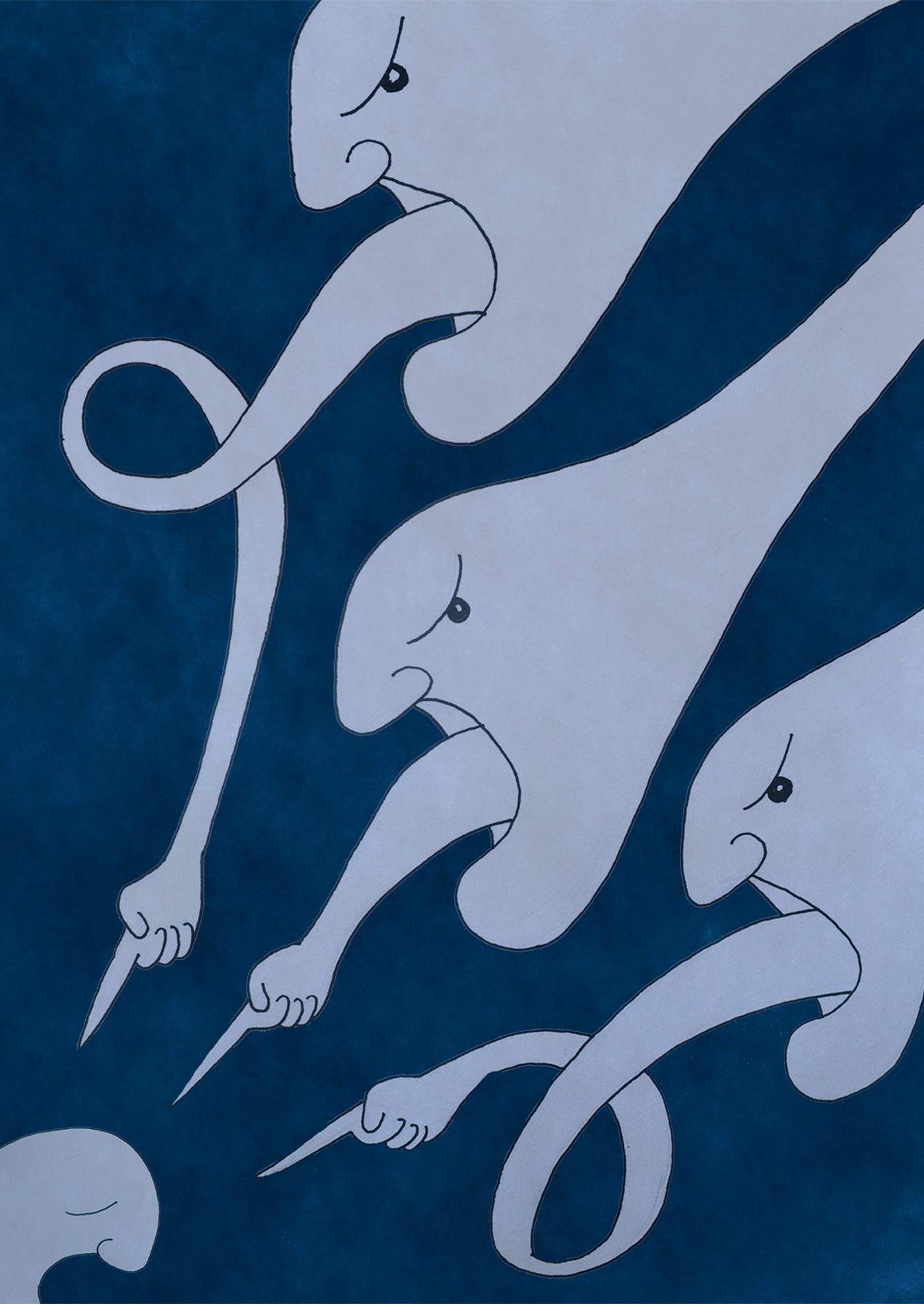
Words Stigmitize: an image of angry heads with tongues pointing at a small sad person in the cornder
“Words Stigmitize” by Antonis Margaronis is licensed under CC by-nc-nd 4.0

This  project relates to my general research program of understanding how information that is in the public interest can be spread online, and what the barriers are to the spread of information in this context.

Working on the question of online harassment has given me the opportunity to work with a fantastic team of super smart and caring people. We’ve interviewed scholars and researchers, launched a large scale survey, and produced papers, conference presentations, op-eds and YouTube explainer videos. Now we’re very excited to launch a website intended to showcase our research on this project to date, and also serve as a resource for scholars and researchers who use online tools to promote themselves or their work.


Continue reading “New Online Resource: About Online Harassment”

New Online Resource: About Online Harassment

Traveling under water – without leaving land

Coral reefs are among the most beautiful and complex ecosystems in the world. However, most people will never experience moving through one because unless you are in the right location and have specialized training and equipment, it is physically impossible to visit a coral reef.

So how can most people relate to something they cannot directly ecperience themselves? How do we work to develop an awareness of the beauty and need to protect coral reefs around the world? Or to put it another way, how do we make something like that accessible to a larger number of people?

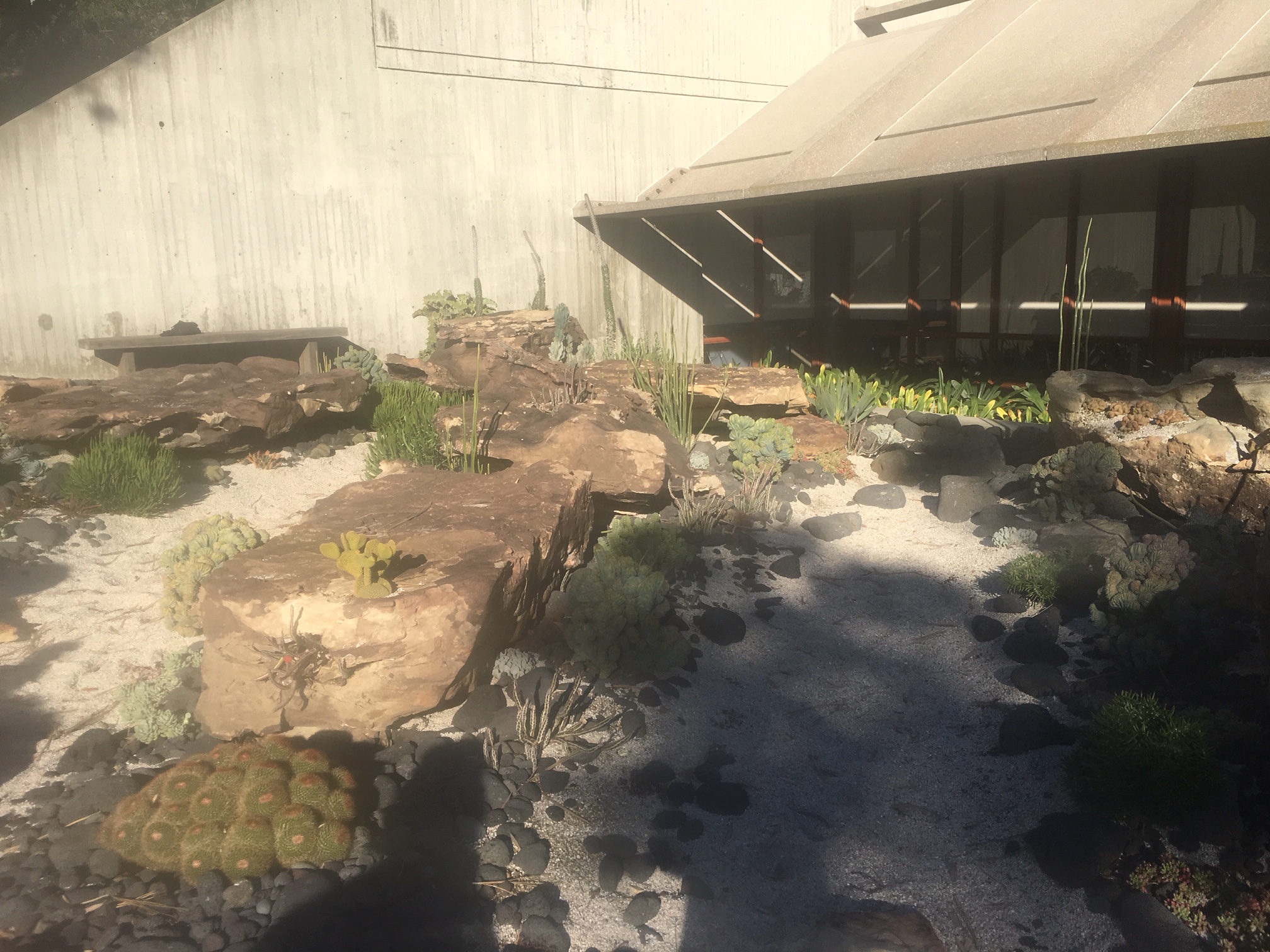
This image shows large rocks around which various succulents have been planted to mimic the topology of a coral reef
A picture of the succulent garden coral reef (taken by author)


Continue reading “Traveling under water – without leaving land”

Traveling under water – without leaving land

Visualizing policy

In my sustainability communication work, I’m always interested in the new and innovative methods that are being developed to teach people about climate change science and policy. Recently the Canadian Energy Policy Solutions Simulator came across my desk. This simulator, developed by the Pembina Institute, allows the user to see the emissions savings of different policy instruments that the government could introduce, and how close these different policies may or may not help Canada get to our emissions reduction targets.

A screen capture of the Pembina Institute Energy Policy Solutions landing page
A screen capture of the Pembina Institute Energy Policy Solutions landing page. The image shows the Canadian Parliament buildings at night

Continue reading “Visualizing policy”

Visualizing policy

Women and Girls in Science – The Digital Communication Edition

Today is the International Day of Women and Girls in Science!

Truly women and girls have made tremendous advances in the sciences, however the UN reports that women still only make up less than 30 percent of researchers worldwide. This means we must do more work to ensure that this type of work is welcoming to women, and doesn’t push them out. While many initiatives focus on growing the pipeline for women and girls in science by providing new opportunities to involve girls in science and STEM, and while this is certainly a laudable goal, there a fewer initiatives that address the stresses women face as women who enter traditionally male-dominated fields. This is what I’d like to address here.

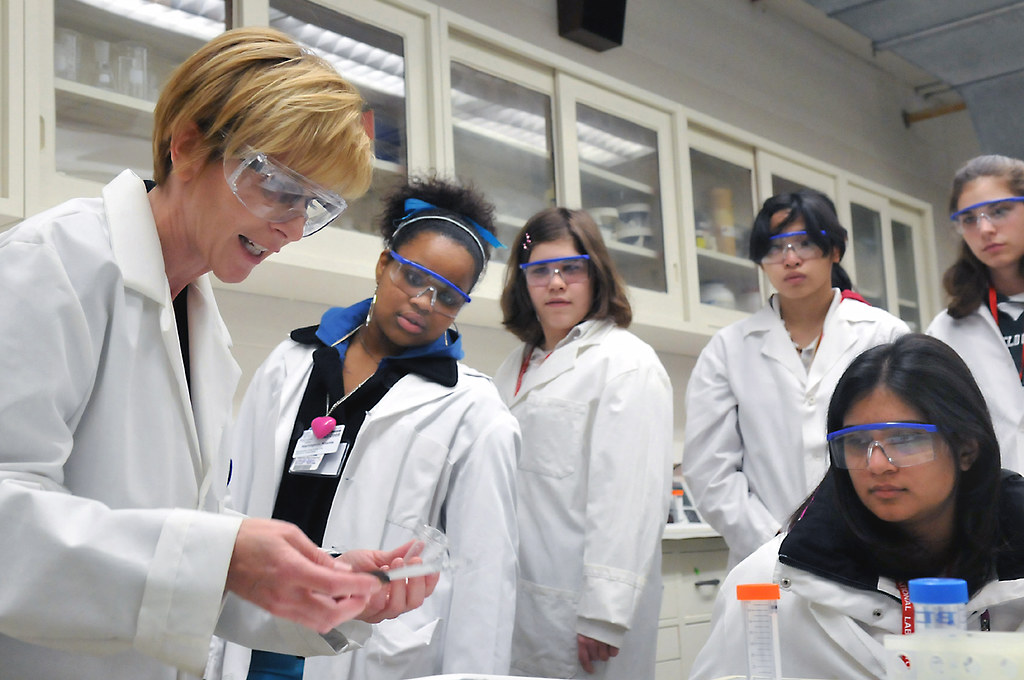
Science Careers in Search of Women 2009
“Science Careers in Search of Women 2009” by Argonne National Laboratory is licensed under CC BY-NC-SA 2.0. To view a copy of this license, visit: https://creativecommons.org/licenses/by-nc-sa/2.0

Continue reading “Women and Girls in Science – The Digital Communication Edition”

Women and Girls in Science – The Digital Communication Edition

The Importance of Stories

Why is the entertainment industry one of the most robust industries even during a recession?

Why did Donald Trump experience such a strong rise in his path to the presidency?

Why do we identify with people who share the same national identity as us, even in a large country where we may not share geography, living situation, or other demographic similarities?

203d Speed Western Stories May-1945 Includes Rawhidin\u2019 Tenderfoot by E. Hoffmann Price
“203d Speed Western Stories May-1945 Includes Rawhidin\u2019 Tenderfoot by E. Hoffmann Price” by CthulhuWho1 (Will Hart) is licensed under CC BY 2.0. To view a copy of this license, visit: https://creativecommons.org/licenses/by/2.0

Continue reading “The Importance of Stories”

The Importance of Stories