Digital Literacy: What Do We Really Need?


A picture of a google search box for digital literacy
Digital Literacy by AJC1. Available on Flickr: https://flic.kr/p/dwkZMM

Last week I mentioned that I would write a post discussing the gaps I see in current descriptions of digital literacy, particularly as it’s described in the popular press, and why a more holistic or even interdisciplinary understanding of digital literacy is needed. Well I’m back this week to continue that discussion. We must move beyond the idea that digital literacy is about teaching people how to create a website or learn to code. We need to recognize that a skills based approach to digital literacy will only serve to exacerbate certain social and democratic challenges inherent in digital communication, and we must instead consider digital literacy as something that stretches far beyond equipping students for jobs that may or may not exist in the ever-fickle digital economy. The best example, I think ,of why this is the case is the current problem of “fake news”.

Continue reading “Digital Literacy: What Do We Really Need?”
Digital Literacy: What Do We Really Need?

Back to the Future? History in oral, literate and digital forms

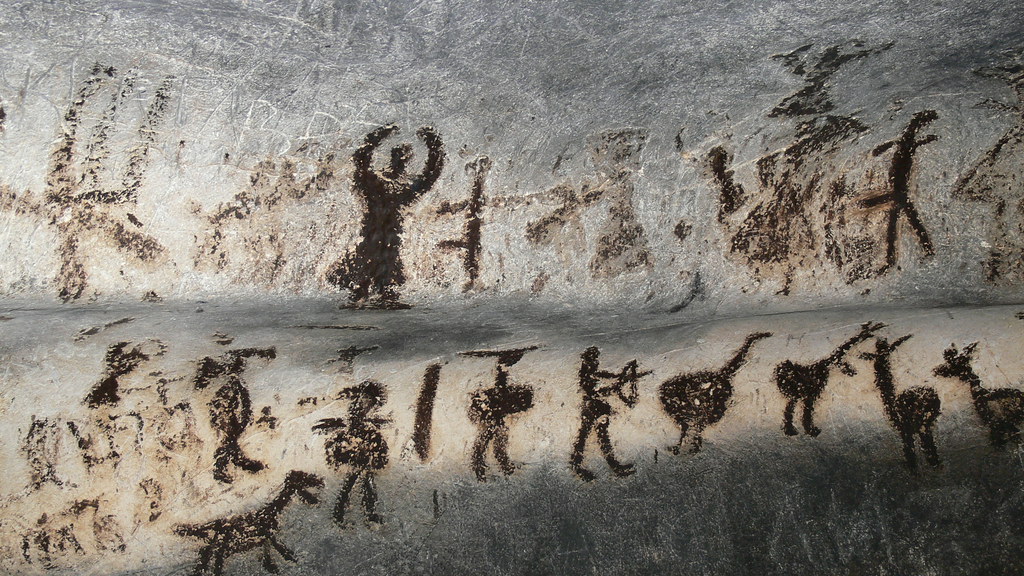
Cave paintings, Magura CaveCave paintings, Magura Caves by MarleBrlzrd on Flikr: farm3.static.flickr.com/2789/4387489763_6fbbd42824_o.jpg

Fake News on The Rise

According to the Daily Mail, a recent study out of Oxford University has reported that fake news is on the rise around the world. The study found that automated bots play an outsized role in spreading fake news, and are often employed as a form of astroturfing or to deliberately spread propaganda. Reflecting on this phenomenon, and also the ways that online propaganda played a role in the most recent US election, I can’t help but draw upon Walter Ong’s foundational work, Orality and Literacy: Technologizing the Word. Though the text was written prior to the development of Facebook and Twitter, re-reading this book in light of recent events has lent some weight for me on ideas of orality, literacy, and the new world of electronic secondary orality, particularly as these cultures relate to how people make sense of history, and how we determine the nature of truth. At the same time, I also think that recent events challenge Ong’s original ideas about what secondary orality looks like, and thus I’d like to propose a slightly new definition in light of new digital trends and the worrying disruption of the archive. I’ll begin to discuss these ideas here, and may also return to them later, as these topics are big ones.

Continue reading “Back to the Future? History in oral, literate and digital forms”

Back to the Future? History in oral, literate and digital forms