CALS692 Blog#7
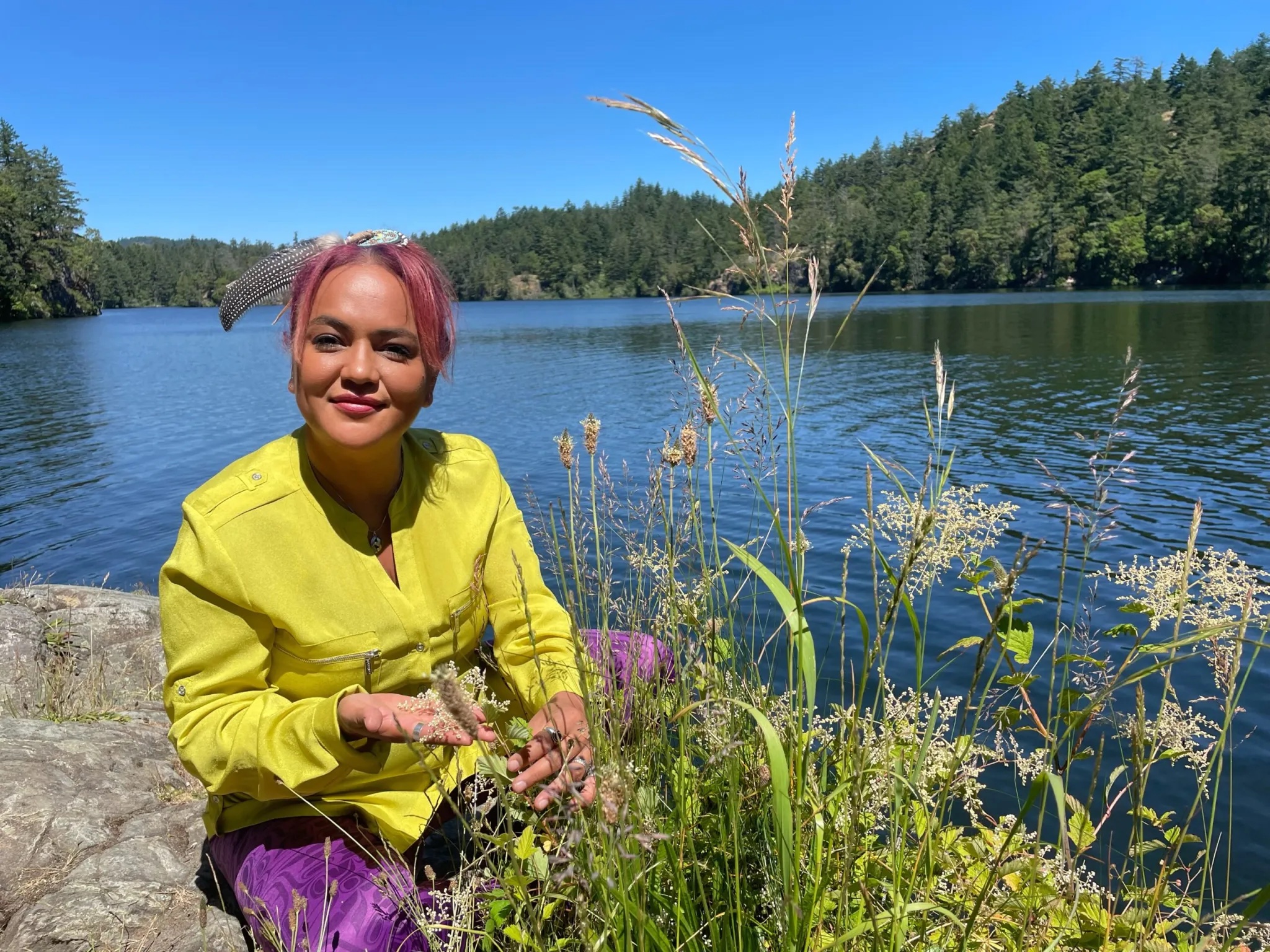
Prior to beginning the journey of running and creating the IndigeMind Climate Action program, there was much anticipation and unknowns. How would the program be perceived by participants and community? How would I be able to measure its success? Would I be able to generate consistent interest and attendance throughout the program? Many questions arose that I was unable to answer until I lived the experience of operating the program day to day. IndigeMind’s first cohort exceeded any and all expectations that I may of had. Our youth were engaged and participatory, they listened and shared when the time was right, and they respected the elders who taught them and the land that welcomed us throughout our restoration days. Each youth brought a piece of themselves that made the group dynamic unique. And in the end, they all embarked on the beginning of their climate action leadership journeys.
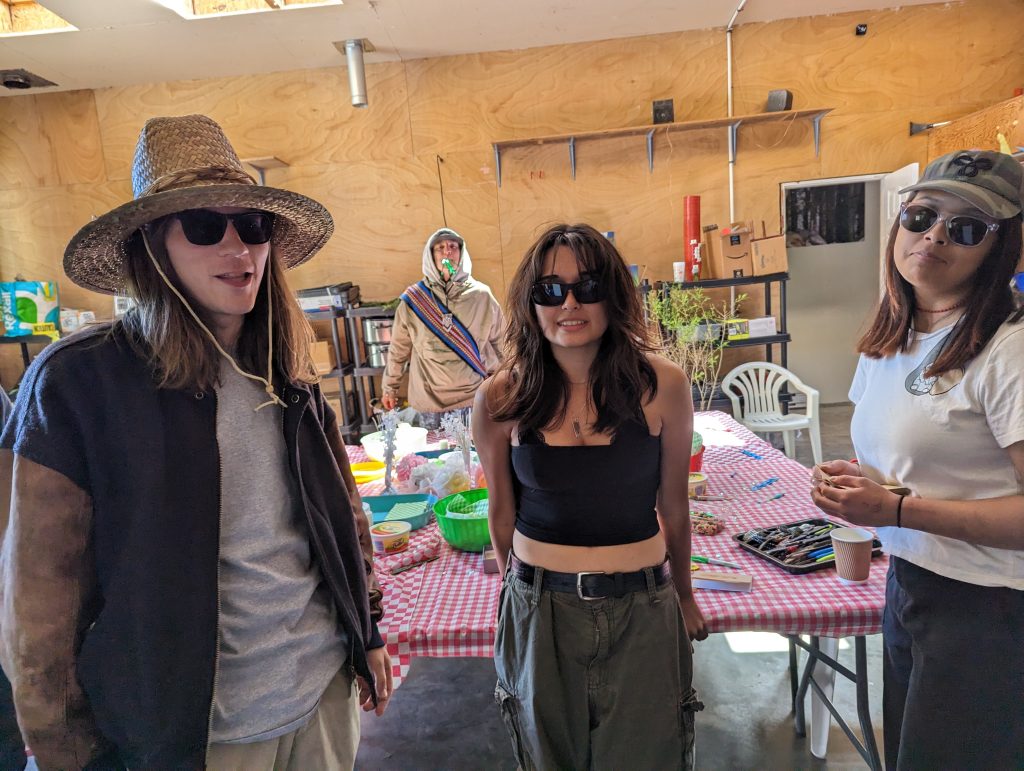
On the final day of our program we had a small graduation event at our workshop space in Sc’ianew. We invited all of the elders and knowledge keepers who gave their time to make the program a success, as the “Elders are keepers of tradition, guardians of culture, the wise people, the teachers…who safeguard knowledge” (Simpson, 2002, p. 17). The day before we took the youth salmon fishing and brined and smoked the salmon that we caught for the graduation. I was touched to see so many folks attend who had been a part of the 7-week program along with others who were invited. We sat in a large circle to adhere to local protocol and elder Earl Clayton Jr. from the Tsawout Nation opened the ceremony in prayer. After Earl’s opening, I spoke about the program, the journey we have taken to get to where we are, and all of the remarkable youth and elders whose energy, knowledge, and passion turned what was just an idea in our minds into a beautiful reality.
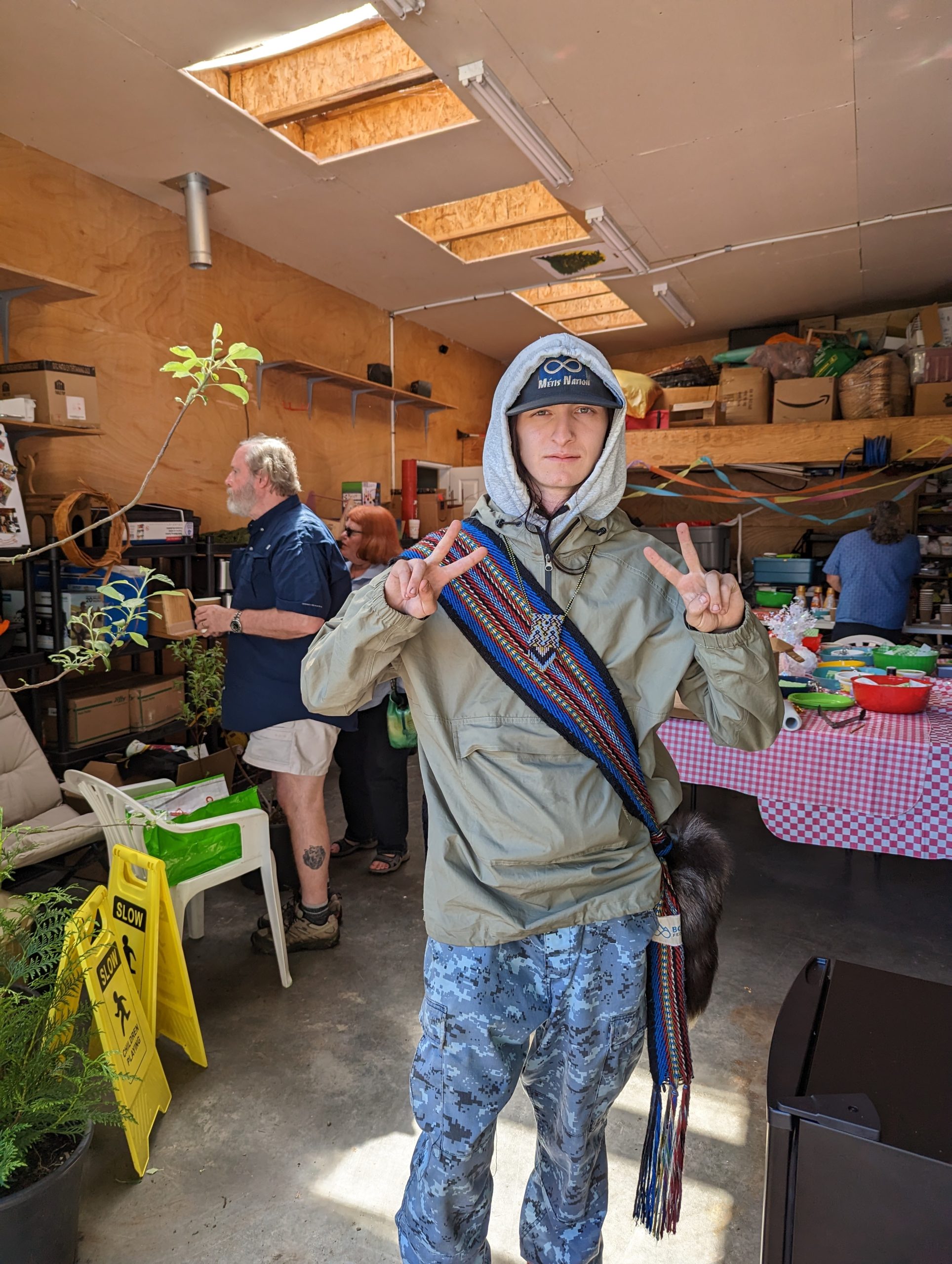
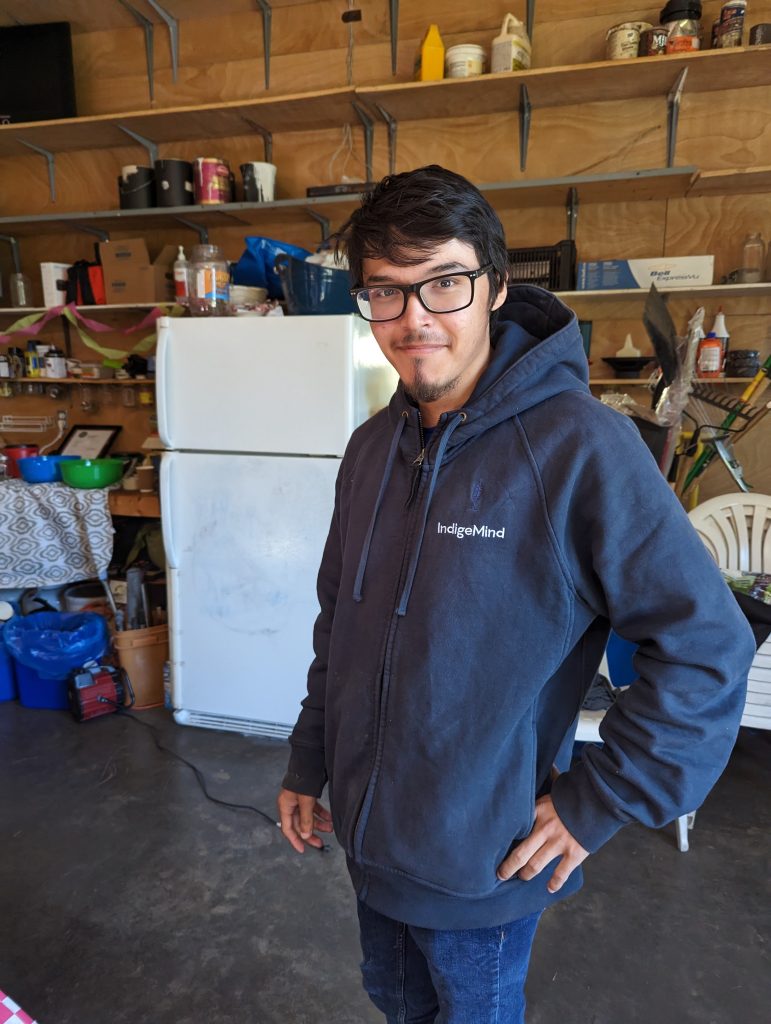
What happened next, is what I consider the most profound part of our entire program. When we first envisioned a graduation, we spoke of it being youth driven and allowing each participant to stand up and share what they learned along with what they hope to do as climate action leaders moving forward. I had prompted each youth that we wanted them to share a few words but had no idea what to expect. What happened next was incredible. Each youth got up and shared what the program meant to them and what they had learned. They shared about how they ‘hate’ school and how IndigeMind showed them that they can still do something with their lives that is valuable and meaningful. They spoke about their struggles with depression and anxiety and how being on the land and immersed in culture improved their mental health. They spoke about plans to start their own restoration projects at local parks. It was an incredible and moving ceremony that led to teary eyes for many in attendance. Personally, to see the youth make a public declaration to their community and be open and honest about their struggles was powerful. It once again reinforced the need and importance of land based programs like IndigeMind, which creates an opportunity and safe space for growth and exploration that isn’t found anywhere else for many of these kids. I felt immensely proud to of witnessed such leadership transformation and encouraged each youth to continue on with their journey. I reminded them that this was just the first step and that we need more Indigenous youth leaders at the forefront of the present and future of climate action. As noted by MacKay et al. (2020) “the climate action movement has created new ways of thinking about the power and voice among youth, [especially] Indigenous youth” (p. 3). Youth voices are essential and are needed now more than ever to lift up and raise the climate action agenda.
To conclude, I am honoured and humbled to be in the role that I am in and grateful to learn from the youth, elders, and knowledge keepers that I am fortunate enough to spend my days with. It is a transformation experience for me as well and has influenced my own leadership journey.
References
MacKay, M., Parlee, B., & Karsgaard, C. (2020). Youth Engagement in Climate Change Action: Case Study on Indigenous Youth at COP24. Sustainability, 12(16), 6299. https://doi.org/ 10.3390/su12166299
Simpson, L. (2002). Indigenous Environmental Education for Cultural Survival. Canadian Journal of Environmental Education, 7(1), 13-25. https://cjee.lakeheadu.ca/article/view/271