CALS692 Blog#9
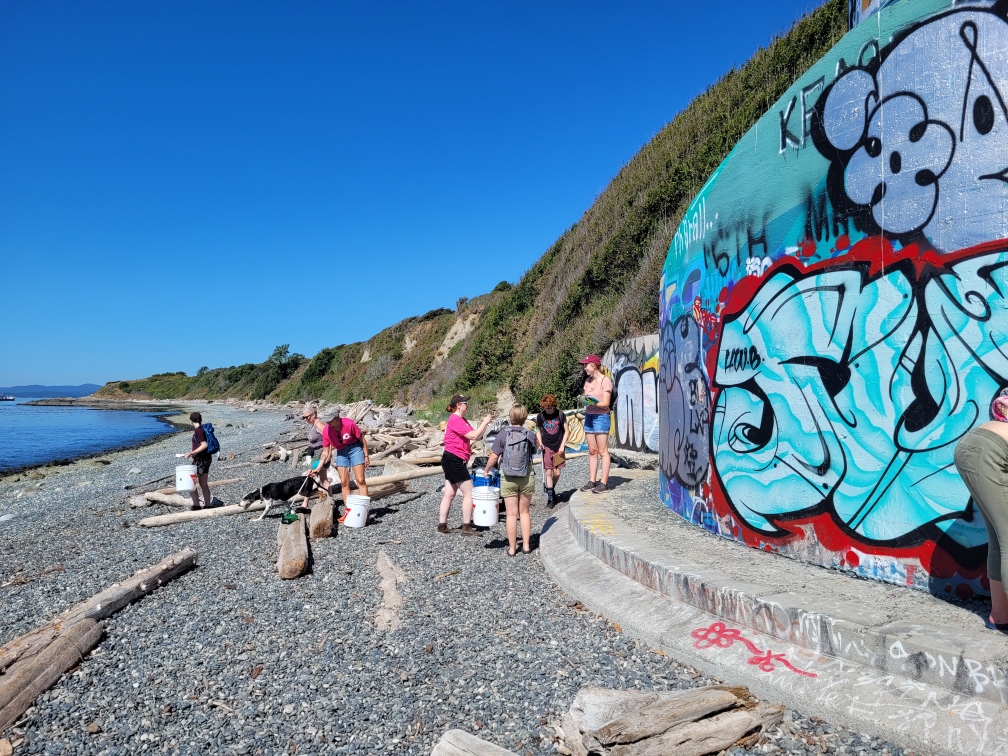
Today, the IndigeMind Climate Action program had its first joint beach clean up with the Youth to Sea program from Ocean Wise. Youth to Sea is a 10-month youth centered program (ages 15-18) aimed at helping youth gain the practical skills to become stewards of our oceans and change makers in their communities. Although the program is not specific to Indigenous youth, it is learning about its role in reconciliation and how to be an ally to local nations here on Vancouver Island. The cohort that we met up with was the inaugural Victoria Youth to Sea cohort. The program has been running for many years but in cities across Canada such as Vancouver, Halifax, and Montreal.
Caring for our oceans is very in line with IndigeMind and our vision of fostering the next generation of Indigenous Youth Climate Action leaders. The “oceans play a key role in climate regulation especially in part buffering the effects of increasing levels of greenhouse gages in the atmosphere and rising global temperatures” (Reid et al., 2009, p. 1). As our ocean temperatures warm and the marine ecosystems continue to dramatically shift, we are confronted with the pressing reality that a shifting climate impacts our waters, millions of aquatic species, our food supply, and coastal communities around the world. In addition to over fishing and the impacts of oil spills, our oceans are suffering other forms of pollution and human waste products can be found on every beach. As noted by Jorgensen et al (2021) “marine litter, the majority of which is plastic, is one of the most pressing global environmental challenges impacting the planet [and] one way coastal communities respond to this challenge is through the environmental stewardship practice of volunteer beach cleanups” (p. 153).
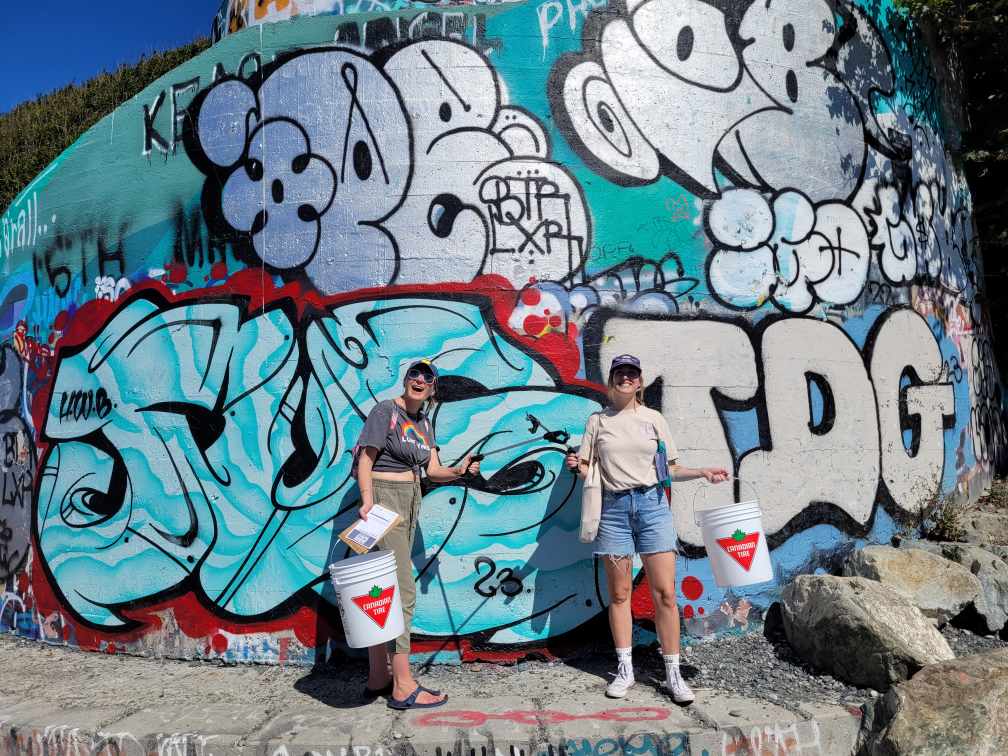
We decided it was time to take it upon ourselves to start a monthly beach cleanup in collaboration with other youth climate focused groups on Vancouver Island. Although we couldn’t this time, our plan through IndigeMind is to focus our efforts on local reserve beaches where there is visibly more trash than off reserve. Although the need is greater on reserve beaches for regular cleanups gaining approval to do so comes with more unfortunate hurdles. My initial hope was to go to the beaches of one of two local Nations on Southern Vancouver Island, the Tsawout or Tsartlip Nations, whom we work with in the IndigeMind program, and do a community clean up. However, I was reminded of the politics on reserve and the understanding that both relationships and projects take time to unfold and come to fruition. In order to plan a beach clean I needed to get approval from Chief and Council which I could not obtain given our limited time frame. My intention is to focus future IndigeMind beach clean ups only on reserve and invite ally youth groups and climate organizations to join as an active expression of reconciliation.
All this said, our day on Dallas road with Youth to Sea was a huge success. The beach was quite clean to begin with and the city clearly invests money into one of its most tourist heavy locations. Problematic from the standpoint of seeing the city also invest in initiatives that centre around relationship building and reconciliation with local Nations. However, an opportunity for programs like IndigeMind to bridge that gap.
Both groups met at Spiral beach on Dallas road at 10:30. Nadia Salmaniw, co-founder of IndigeMind, led us in a grounding and land acknowledgement, and then we headed to the beach to begin our clean. Youth to Sea graciously provided us with pickers, buckets, and data sheets to track types of trash that we found for a larger data collection done by Ocean Wise. We walked the beach for 2 hours and then gathered for the last hour to share lunch and sort the trash that we found.
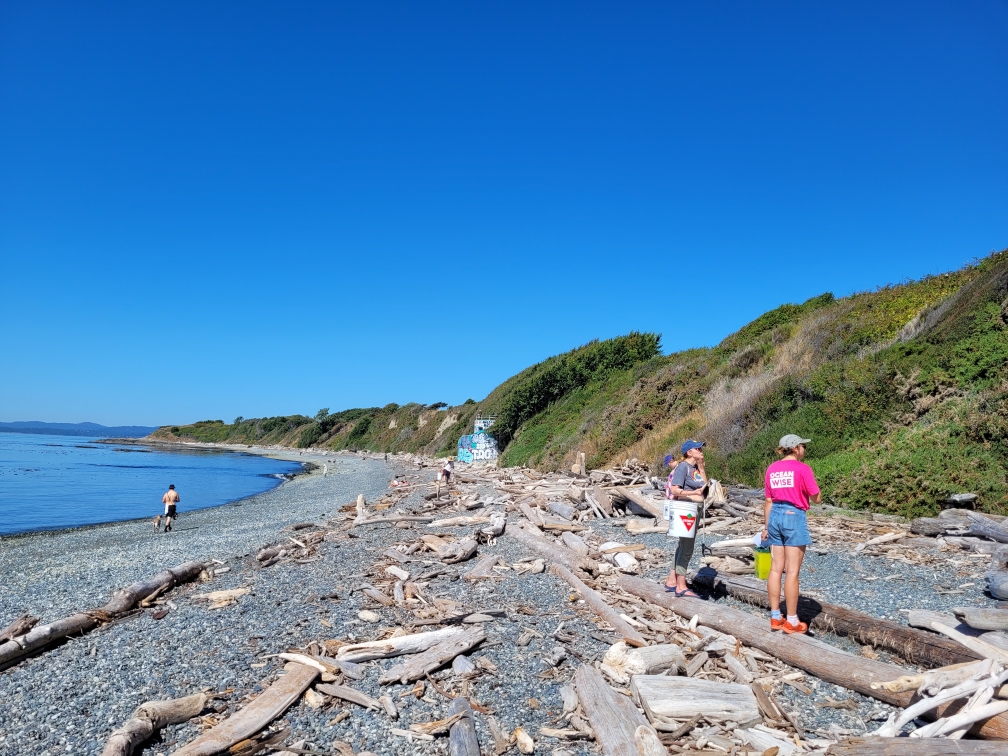
Upon completion of the day their was excitement about the next time our groups get together. Although there are many youth groups that focus on climate related endeavours there is not always cohesion and collaboration. We need more hands on deck and an important step in ones leadership journey is to learn how to walk parallel paths with those fighting the same fight and those hoping to carve out a brighter future for our planet. My hope, is that these collaborative efforts shows that to our youth and is a start in the right direction.
References
Jorgensen, B., Krasny, M., & Baztan, J. (2020). Volunteer beach cleanups: civic environmental stewardship combating global plastic pollution. Sustainability Science. https://doi.org/ 10.1007/s11625-020-00841-7
Sims, D. (2009). Advances in Marine Biology. Volume 56. Academic Press