A Conversation with Cristina Armstrong

CALS692 IndigeMind Podcast #2

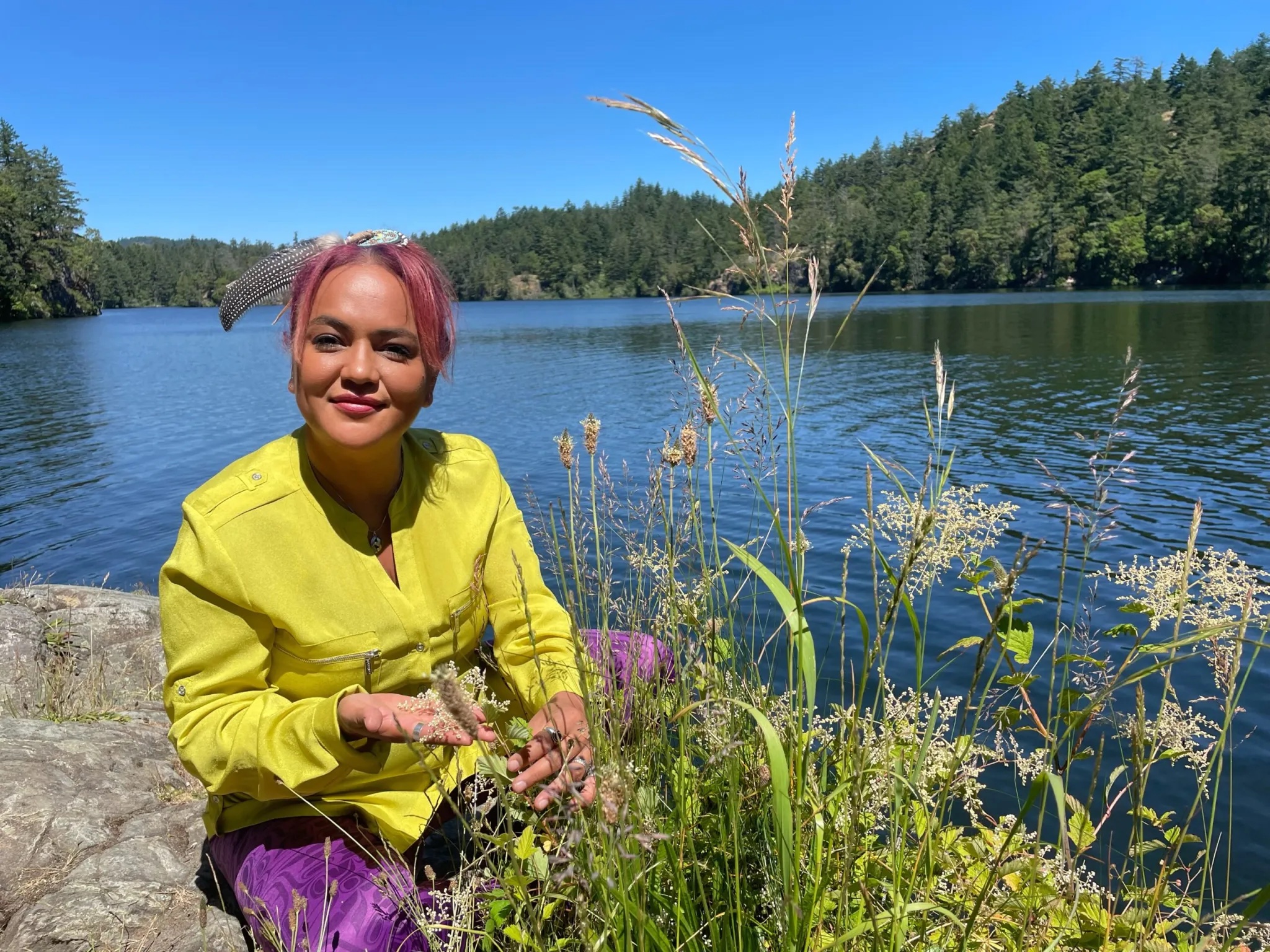
In part two of the IndigeMind Podcast Series, Tony speaks with friend, collaborator, and colleague, Cristina Armstrong of the Sc’iancew Nation on Vancouver Island and Seabird Island Nation on the Fraser River. Cristina is the Founder and Director of the Stewards of Sc’ianew Society, a non-profit founded in 2021 that focuses its efforts on rehabilitating the environment by removing invasive plants and growing and restoring Indigenous habitat. At the start of 2023, IndigeMind and the Stewards of Sc’ianew partnered to launch the first two IndigeMind cohorts. Cristina has been at the forefront of the evolution of the IndigeMind Climate Action program, helping to organize workshops, and bring in elders and knowledge keepers from her vast network. She is an incredible leader rooted in culture, an action oriented advocate of the natural world, and an example of how hard work and perseverance can manifest into a remarkable success story impacting the lives of hundreds of youth. She motivates and supports me to continue to grow IndigeMind no matter the difficulties or bumps in the road and I am grateful that she was willing to donate her time and join my mini-series podcast. I hope that you enjoy our conversation below.

The Tree of Life

CALS692 Blog#6

The Cedar tree holds significant cultural symbolism for many west coast First Nations communities. Its branches protect people and keep evil spirits away. Its bark is stripped and used for the weaving of baskets, headbands, necklaces, and many other cultural and traditional objects used in ceremony. In addition, cedar has been used “to provide housing, transportation, clothing, heating, tools, storage, medicines, and [is] still used for functional purposes, artistic expression, and spiritual practices” (Castleden, 2007, p. 6). It is also referred to as ‘The Tree of Life’ for what it provides and has provided Indigenous peoples for thousands of years. 

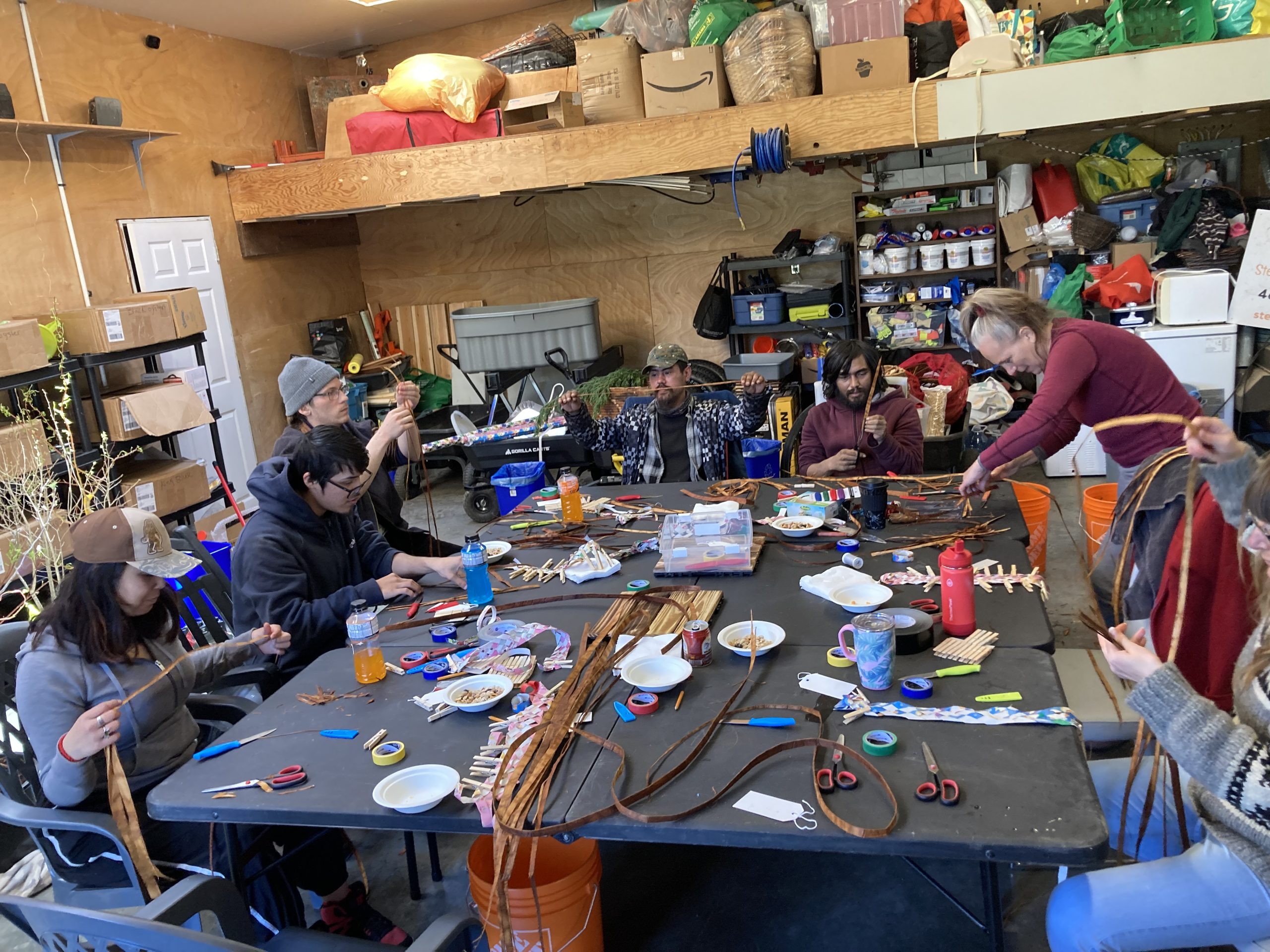
The IndigeMind Climate Action program was lucky enough to have knowledge keeper, Charlene George, from the T’Sou-ke First Nation run a two day cedar weaving workshop out of our home base on Sc’ianew territory. The two day workshop was meant, in part, to show participants the complete process from the harvesting of cedar to the curing, drying, and weaving of it. Properly curing cedar can take months and requires a particular temperature and air humidity and, although, the youth experienced what it was like to harvest cedar they learned to weave it from cedar that was harvested and cured over the past year. Charlene George was kind enough to supply cedar that she had personally harvested. 

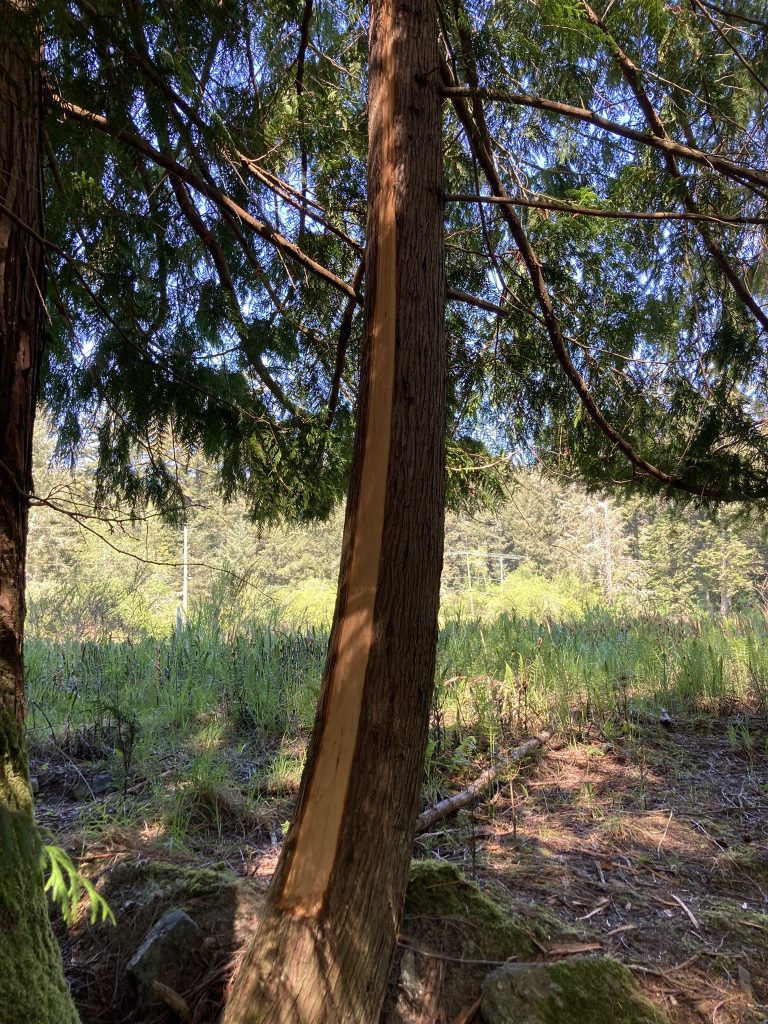
The experience of witnessing the youth harvest the cedar was beautiful and quite profound. Charlene George first spoke to the tree and asked for its blessing. She then carefully and precisely cut a slit towards the bottom of the tree. She mentioned to all of us in attendance that she wasn’t sure if we would harvest today. The temperature called for a hot day and she didn’t want to harm the tree. She added that harvesting cedar from a tree that is healthy and old enough does not actually harm it if done properly and in the right conditions. Most can continue to grow and heal over time. Unfortunately, due to climate change, increased long periods of heat, and shorter precipitation windows the cedars throughout the west coast and, specifically, on Vancouver island are dying in large numbers annually. 

After Charlene cut the slit at the base of the tree she gently wriggled her fingers and then full hand under to begin to the lift the bark off of the tree. She looked behind her and asked if a youth would like to participate. One of our youth immediately jumped in and placed his hand where Charlene’s was and began to slowly pull with one hand and guide his pull with the other. The energy of the space was palpable. There was silence all around except for the separating sound of the bark being pulled from the tree. The pull was nearly twenty feet long and went a good distance up the tree. As a group, we then cleaned the cedar pull of pitch (sap) and the rougher outside layer of bark to prepare it to be rolled and cured over the next several months. 

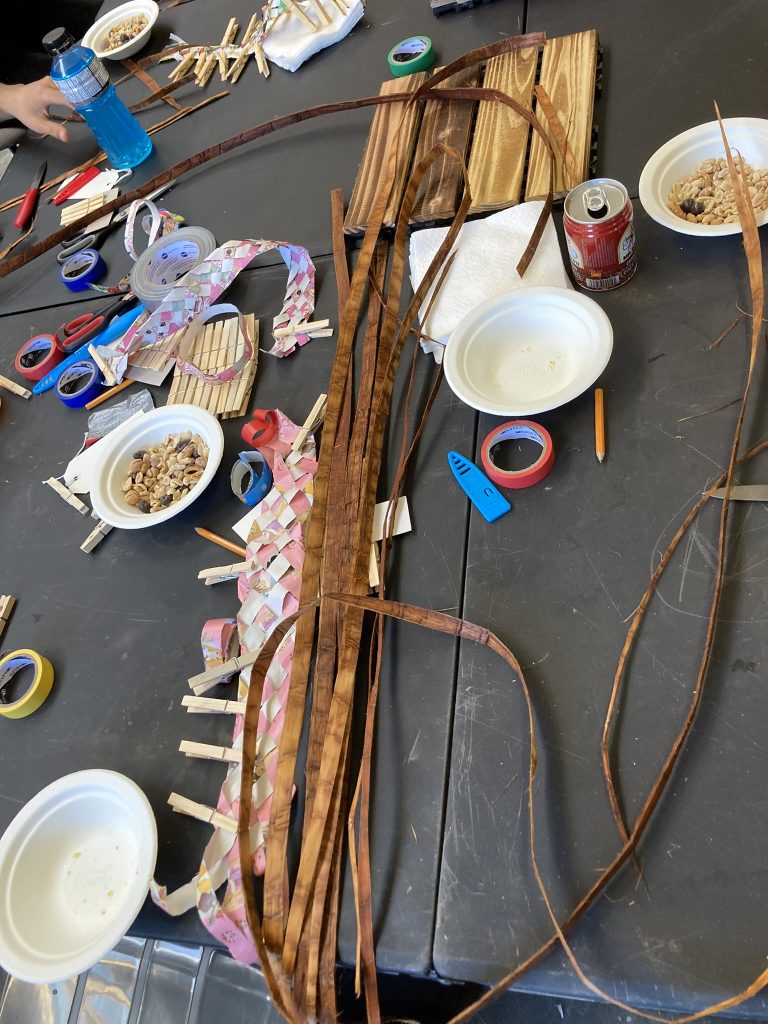
The experience of harvesting the cedar was visibly impactful for the youth involved in the two day workshop. The second day consisted of learning how to weave cedar. The amount of care and concentration shown by the youth was clearly reflective of the experience of harvesting from the day before. It taught them to slow down and to show respect for the process. Zahn et al. (2018) add that ”Indigenous teachings provide the invaluable reminder that humanity must respect nature and act accordingly with practices of reciprocity, conservation, and protection of natural systems long-term”(p. 327). Charlene George also shared that the energy you bring in to the harvest is reflected in the overall experience. That if you have negative thoughts you must leave them elsewhere prior to harvest or to not harvest at all as that energy can be felt by the tree. 

At the end of the second day, each participant had woven at least one bracelet out of cedar that they had individually stripped for size and length. They were taught to gift the first item that they wove, as it is customary in tradition to gift the first away. It was a powerful two days and I, too, learned so much about the ‘Tree of Life’. A tree that has sustained, nurtured, and supported Indigenous people from generations.

References

Castleden, H. (2007). [Thesis]. As Sacred as Cedar and Salmon: A Collaborative Study with Huu-ay-aht First Nation, British Columbia into Understanding the Meaning of “Resources” from an Indigenous Worldview (pp. 1–137).

Zahn, M. J., Palmer, M. I., & Turner, N. J. (2018). “Everything We Do, It’s Cedar”: First Nation and Ecologically-Based Forester Land Management Philosophies in Coastal British Columbia. Journal of Ethnobiology, 38(3), 314. https://doi.org/ 10.2993/0278-0771-38.2.314

Ode To You

CALS692 Song-Ode To You

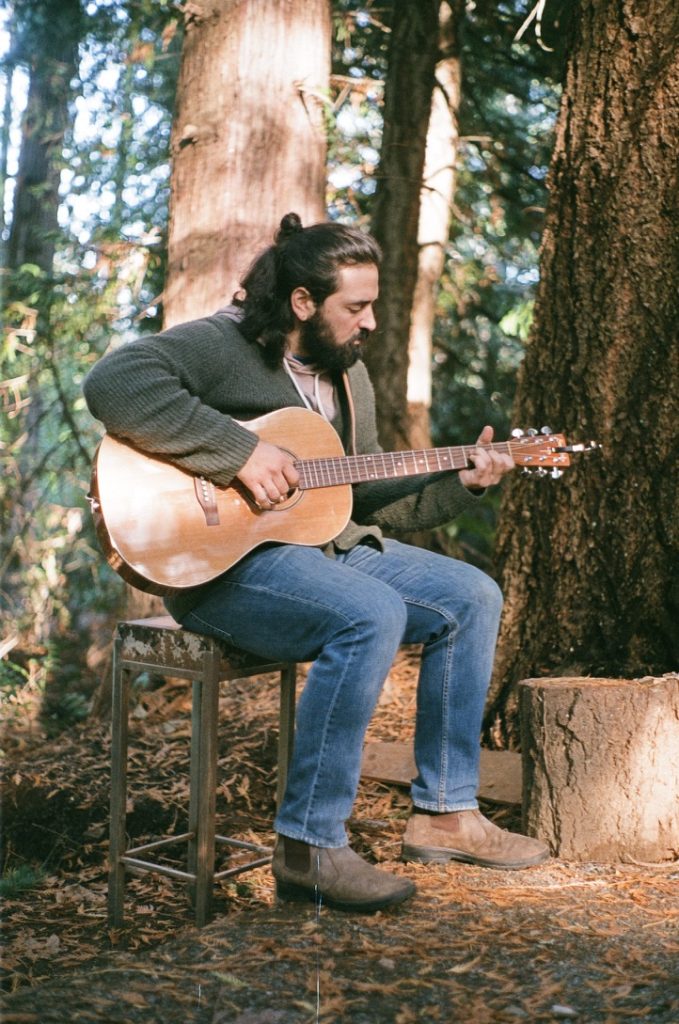
For me, music and the natural world are deeply linked. There is rhythm in the wind and the sound of water trickling down a creek bed. Or song in a crows call as the trees gently sway and dance in the breeze. I have always been called to both music and nature and it is no surprise to me that I have found myself embarking on a career of climate action leadership. It has always been with me deep inside and is a part of who I am-a musician and a climate action leader.

What I wanted to incorporate into CALS692 was my artistic self as a form of ‘academic’ expression. How can we integrate music into an academic context? I like to think that I found a way to do so along with the support of my supervisor, Dr. Robin Cox. Throughout my journey building and leading the IndigeMind Climate Action Program I wrote a song titled, Ode To You. It is written for the land and expresses my hope that we can begin to not only mend our broken relationship with the natural world but acknowledge, through reconciliation, the Indigenous peoples whose land that was unjustly taken.

Ode To You has now been fully recorded by my band, CALICO, and mixed and mastered by my good friend, producer Braeden Ragno. We will be releasing it alongside our third studio album titled, Northern Girl, this upcoming fall of 2023.

You can find the song and the lyrics to Ode To You below.

Thank you for listening and I hope that you enjoy it.

Tight fields

In the Sun

Underneath the marigolds

Blue sky 

In my eye

Mother wait a little while

I’m stuck in denial

Don’t cry 

All my wild 

Deep inside 

I’m along for the ride

I’m a little bit confused about the way that it all goes down

I keep searching for a reason to keep from spinnin’ round 

You’ve been used

And abused

Feeling like a let down

It kind of feels like a fall out

Be wise 

Mother tide

Drop the line

There’s nothing left to find

Forest breeze

In the trees

Why you gotta hide from me?

It just ain’t right to flee

I’m a little bit confused about the way that it all goes down       

I keep searching for a reason to keep from spinnin’ round 

I’m a little bit confused about the way that it all goes down

Below are links to both our website and spotify page for more music. Many of these songs are inspired by the profound beauty of the Pacific Northwest and all written by me.

https://www.calicomusic.ca/

A Conversation with Chris Jim

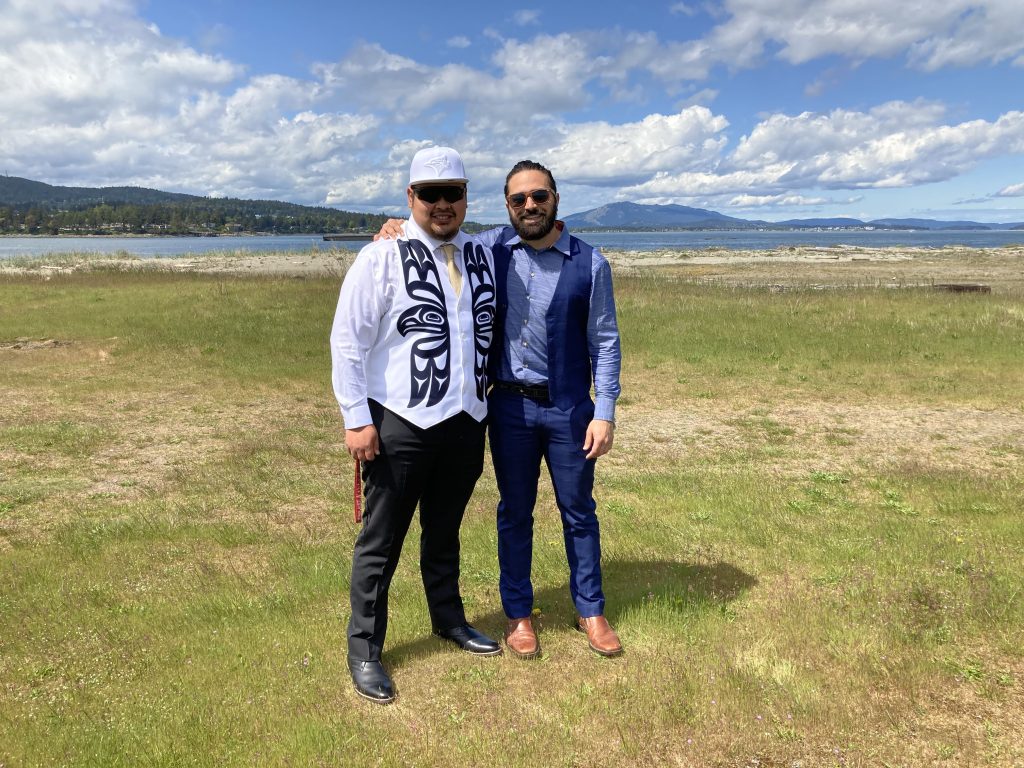
Chris and Tony at Chris’ wedding in May, 2021

CALS692 IndigeMind Podcast #1

In the first part of a mini-series podcast on the evolution of the IndigeMind Climate Action Program, Tony speaks with good friend and Co-Founder Chris Jim of the Tsawout Nation on Southern Vancouver Island. They speak about how the idea of IndigeMind came to be, why we need land-based programming for Indigenous youth, and the importance of Indigenous youth led climate action efforts as a path forward. Chris Jim is a leader in his community and a man who inherently embodies the most essential components of genuine, grounded, and culturally centered climate action leadership. Please enjoy our conversation below.

Harvesting From the Land

CALS692 Blog#5

There is nothing quite like harvesting food from the land. It is ingrained in all of us. Regardless of where we are from all of our ancestors learned to live and subsist off of the land that surrounded them. Communities developed deep relationships with the ecological systems they lived within as it was needed for survival for either consumption or trade. Local Indigenous communities on Southern Vancouver Island lived off of the diversity of food provided by the abundance of the coastline from shellfish to salmon and herring to octopus, sea cucumber, and urchin. The land provided and communities nurtured their relationship with the natural environment that surrounded them. 

Unfortunately, this relationship has changed over time. Historically, “Indigenous knowledge systems and teachings have been integral to preserving Indigenous cultures and traditions, [however], colonization has negatively impacted Indigenous cultures, resulting in a decrease in traditional activities” (Ahmed et al., 2022, p. 1). Due to a variety of factors, communities have lost the ability to fend for themselves. Colonization has stripped Indigenous knowledge of traditional food growing, hunting, and fishing practices. As noted by Ahmed et al. (2023), “traditional harvesting practices which are deeply rooted in familial and social systems of Indigenous communities continue to be negatively impacted by colonization and colonial assimilative policies…[and] this disruption has contributed to the growing issue of food insecurity amongst Indigenous peoples in Canada” (p. 1). In addition to the impacts of colonialism, marine habitats and specie abundance has been dramatically impacted by both commercial overfishing and a changing climate. The abundance that was once known on the coastline is almost non-existent. Herring populations have significantly declined and salmon numbers are incredibly low while restrictions are imposted annually on non-Indigenous fisherman by the Department of Fisheries and Oceans (DFO) to try and allow the populations to rebound. Although, we all know that they will never fully rebound given the warmer temperatures and the increased difficulty to migrate back to spawning grounds. A good friend of mine from the Tla’amin nation in what is now known as Powell River shared with me recently that his grandfather shared that when he was young he used to be able to “walk on the backs of salmon there were so many”. This will never be the case again.

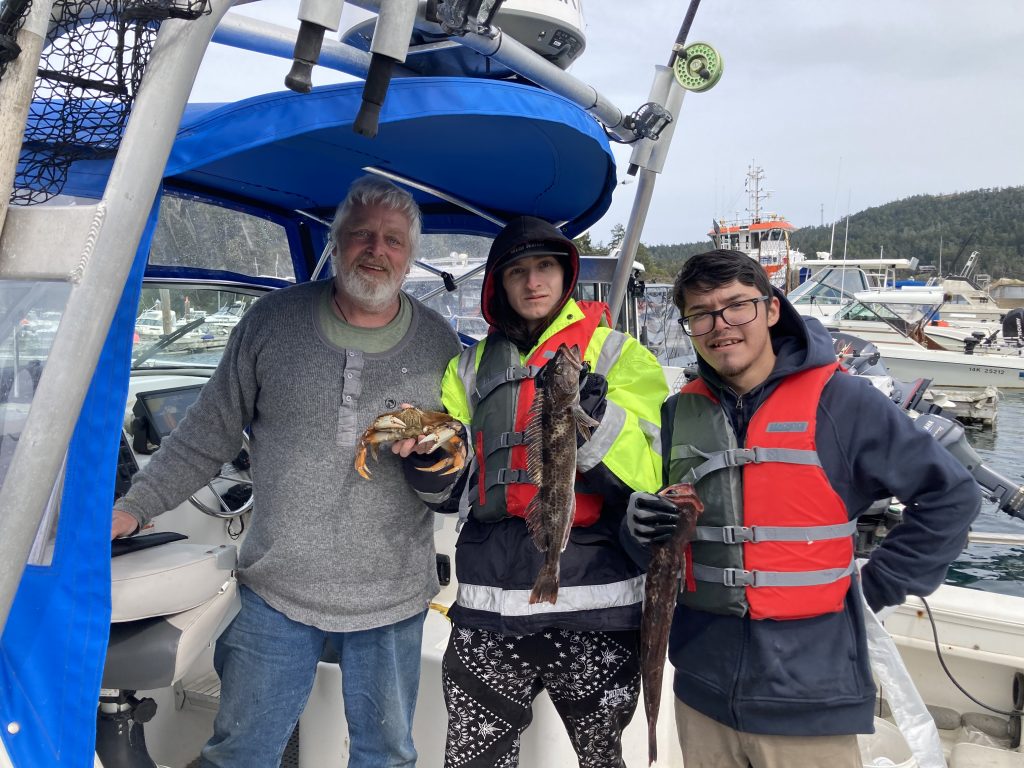
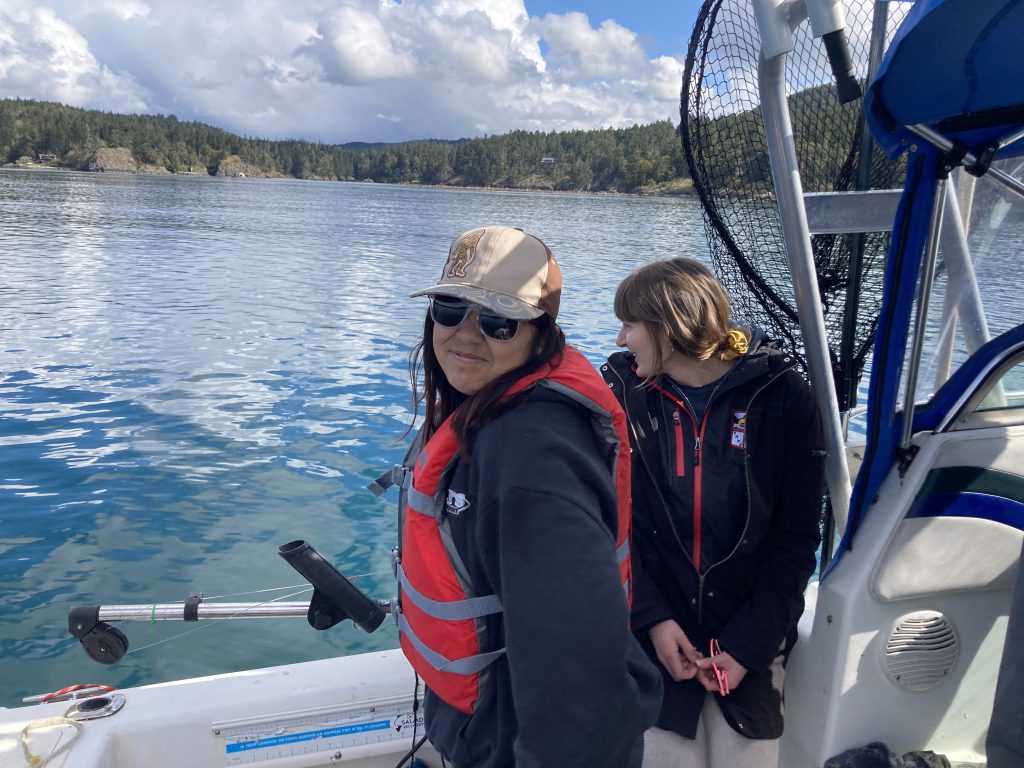
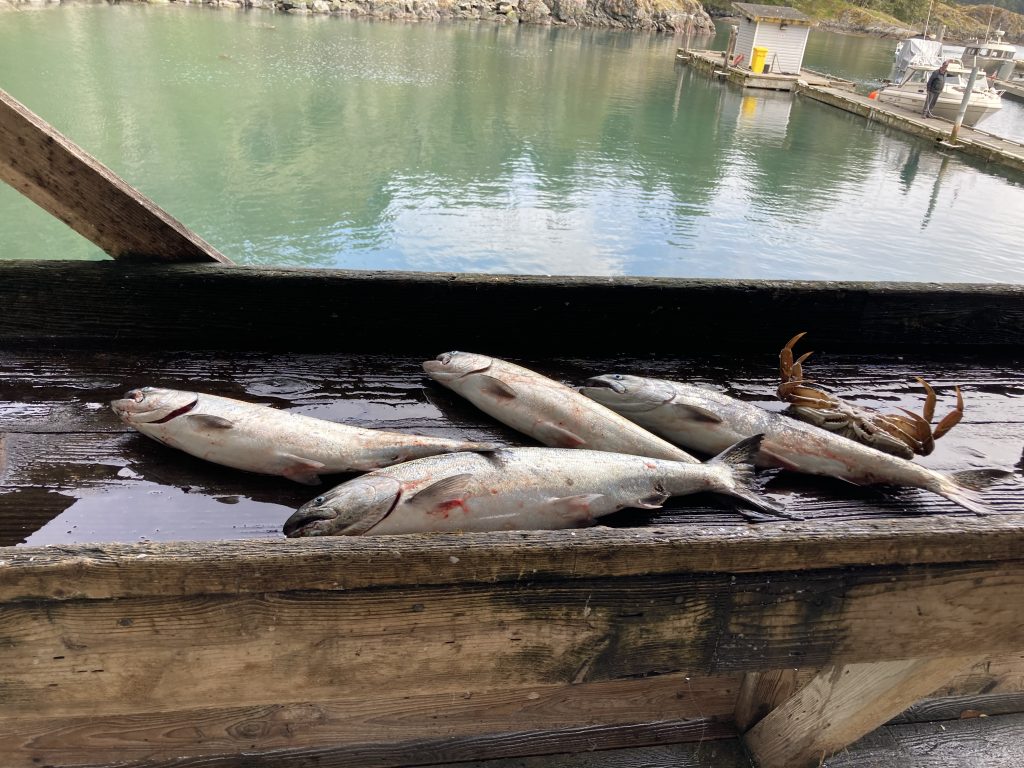
In order to teach and show our youth how to harvest from the land, my IndigeMind Climate Action program implemented a three part fishing, harvesting, and learning of local marine biology component to our first cohort. Each fishing day, a third of our cohort was taken out of the Sc’ianew Marina with an underwater camera to learn how coastal ecology has shifted over time due to climate change and oil spills in the region. In addition, participants learned to both pull crab traps and troll for salmon and lingcod. The experience each day was nothing short of remarkable. Each youth participant glowed when they reeled in a salmon or held a crab for the first time. Youth whom have been dealt a rough hand in life opened up and smiled like I had never seen them smile. It was education that was beneficial to them. An experience that they could leave with a memory and knowledge that they don’t receive in their classrooms within the school district. For me, the experience was yet another reminder of the importance of what we are doing. Not only generating positive experiences for our youth through land based programming but opening up a pathway for them to explore further their interests in climate related professions and opportunities while reconnecting with culture and traditional practices. 

Resources 

Ahmed, F., Liberda, E. N., Solomon, A. J., Davey, R. J., Sutherland, B., & Leonard, T. (2022). Indigenous Land-Based Approaches to Well-Being: The Amisk (Beaver) Harvesting Program in Subarctic Ontario, Canada. 19(12), 1-39. https://doi.org/ 10.3390/ijerph19127335

Ahmed, F., Liberda, E. N., Solomon, A. J., Davey, R. J., Sutherland, B., & Leonard, T. (2023) Indigenous Land-Based Approaches to Well-Being: The Niska (Goose) Harvesting Program in Subarctic Ontario, Canada.  20(4), 1-29.  https://doi.org/10.3390ijerph20043686

A Historical Reclamation

CALS692 Blog#4 

The reclamation of stollen land is an integral part of reconciliation in Canada. Furthermore, “Indigenous peoples…are calling for ‘land back’ as they seek to address the ongoing structures of colonialism and revitalize self-determining nations” (Nightingale & Richmond, 2022, p. 12). While it can often be hard to see examples of true reconciliation in action when land is reclaimed to its rightful owner it becomes tangible proof that good efforts are being put forward. This is also essential in increasing Indigenous engagement in the climate action movement as restoration work can begin along with the fostering of Indigenous youth climate action leaders on land that has cultural and traditional significance. 

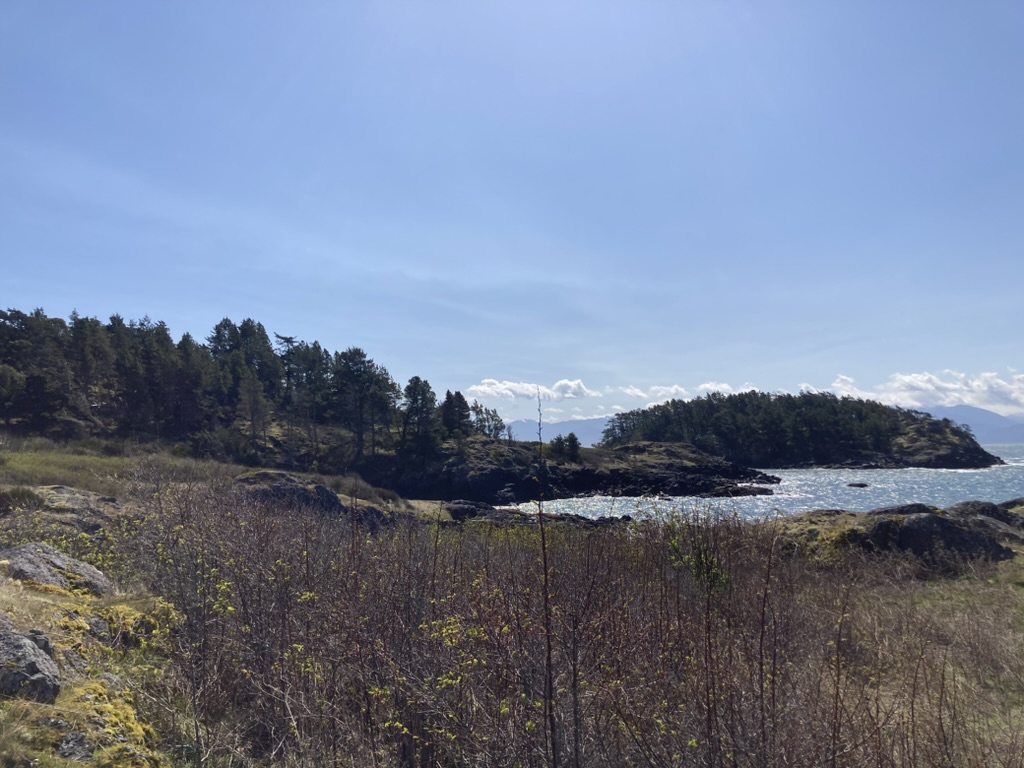
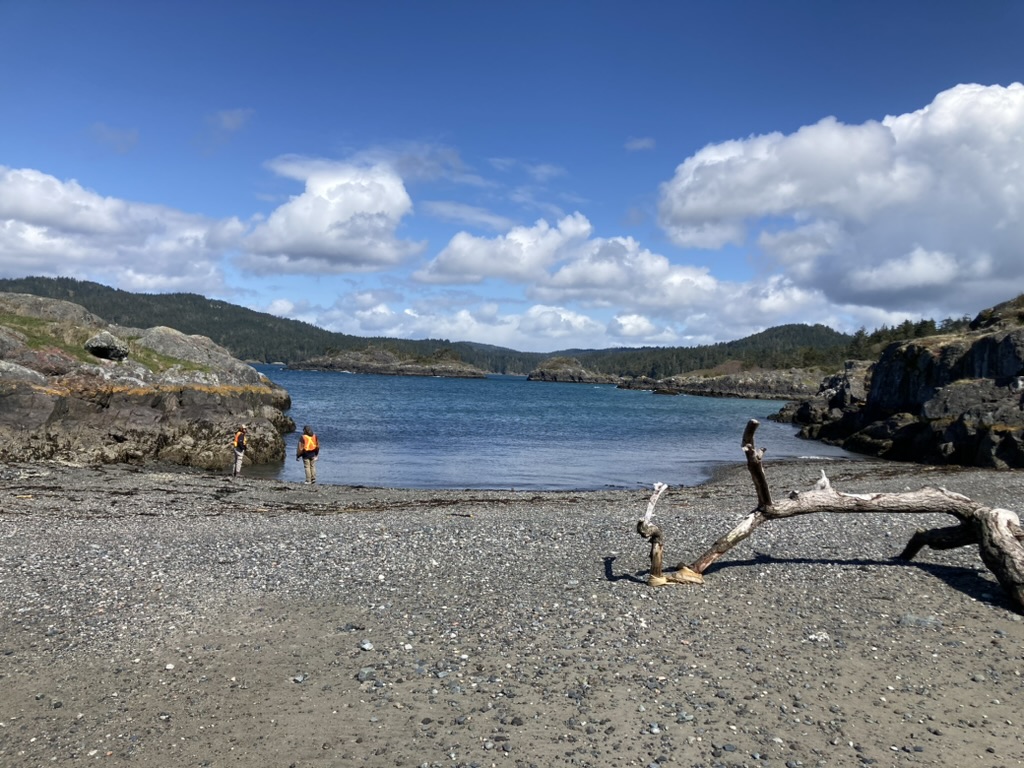
The Sc’ianew nation, located in what is now known as Beecher Bay, BC, shares the peninsula with the Department of National Defense (DND). The reserve, like many in Canada and the US, was given a small portion of land. In the case of the Sc’ianew Nation the DND took the majority of accessible of usable land in the nearby vicinity. In the early 2000s, the Sc’ianew Nation reclaimed a large part of unused DND land. DND claims that it was ‘gifted back’ to the nation but the land always belonged to Sc’ianew and the Nation is proud to of reclaimed it. Not only is it nearly 30 acres directly on the coast with a mix of forest and coastal vegetation, the land is also culturally sensitive and is a burial site to Sc’ianew members dating back hundreds of years. It has become a historical site to the Nation and archeologists now come to study the cairns that can be found along the coastline and tucked within the trees. It is quite frankly an incredible place to step foot in and one can only access it with direct approval from Chief and Council of the Sc’ianew Nation. The IndigeMind program was lucky enough to be given that approval to begin a long term eco-cultural restoration project to remove all invasive species in the area. 

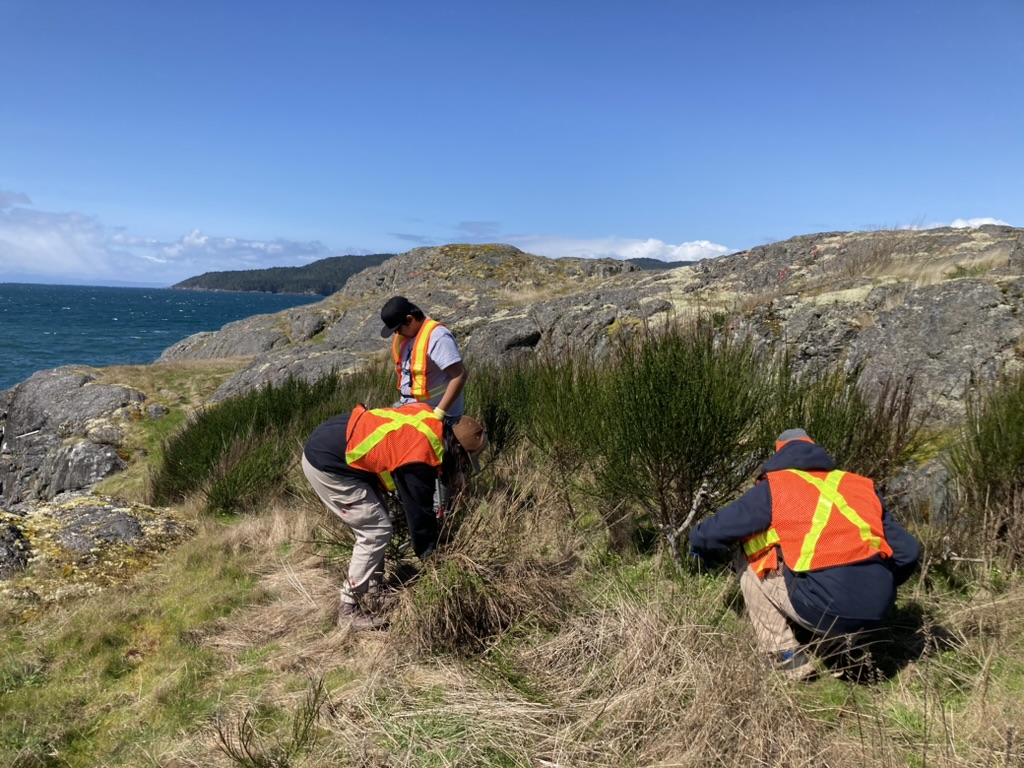
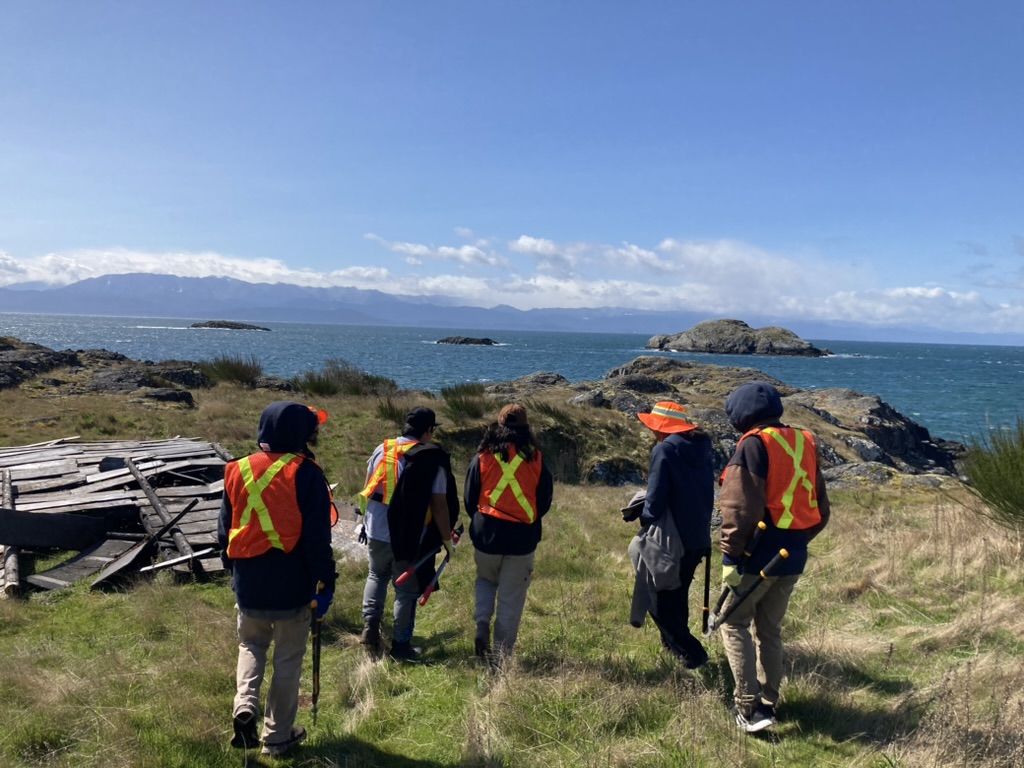
On April 11th, myself along with 8 participants of the IndigeMind inaugural cohort and Christina Armstrong of the Sc’ianew Nation headed out to what is now known as ‘Number 2’. In its process of reclamation, the Nation decided to call the land ‘Number 2’ to represent its second reserve. We met with an organization called the Habitat Acquisition Trust. The trust “is a regional land trust that conserves nature on south Vancouver Island…envision[ing] a future where the full array of natural habitats…are healthy and conserved” (hat.bc.ca, n.d.). HAT provided our cohort with equipment and training to begin our project removing scotch broom and Himalayan blackberry from the coastline. This marked the beginning to what will be an ongoing restoration project that the next two IndigeMind cohorts will be involved in. 

We spent four hours removing broom and piling it in an area where it could easily be removed and burned. During our break, Christina shared stories about how her people harvested off of the land and lived in harmony with the natural environment. The land was spiritual. I could feel it in the air. Christina spoke much of her ancestors and the duty the young ones have to be climate leaders to honor their ancestors in a good way. That resonated with me deeply. That we have an obligation not only for those yet to come but to those who came before us and paved the way. It made me think of climate action in a different way. Being a climate action leader is not only for the present and the future of our planet but it is also for the past. To remember, honor, and uphold the value of treating the land like a member of our family and re-learning to respect her as we hope to be respected ourselves. 

References

Nightingale, E., & Richmond, C. (2022). Reclaiming Land, Identity and Mental Wellness in Biigtigong Nishnaabeg Territory. International Journal of Environmental Research and Public Health, 19(12), 7285. https://doi.org/10.3390/ijerph19127285

Propagation and Willow Tea Rooting Hormone Workshop

CALS692 Blog#3

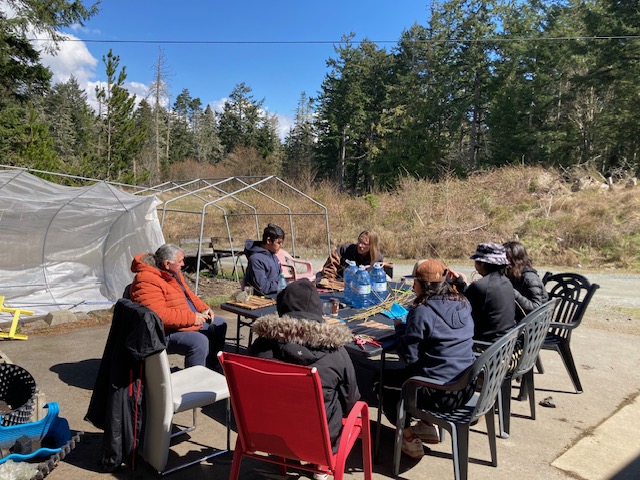
Today, Tsawout Elder and knowledge keeper, Earl Clayton Jr., ran a workshop for IndigeMind participants teaching them how to propagate cuttings from native plants and how to make a traditional rooting liquid. The workshop ran out of our ‘home base,’ which is now known to participants as the ‘shop’ in Beecher Bay on the Sc’ianew reserve. The ‘shop’ is a beautiful open space with native and medicinal plants in every corner. The shop began as a meeting space for youth from the Sc’ianew nation to come and get involved in ecological restoration work on the reserve. In the past few years the area around the shop has been completely restored to its natural habitat. 

We start each day sitting in circle. Not only is this culturally appropriate and respectful but also allows space for our youth to introduce themselves to the presenter and helps to create an environment where our youth voices can be heard. Speaking up in a public setting in front of community is a starting point on the journey of climate action leadership development that IndigeMind strives to foster and encourage. 

Earl Claxton began by telling our participants stories of his youth and changes in the natural environment that he has observed coming from a family of fisherman and harvesters of the land. The stories provide context for the youth prior to engaging in that days activities. They are “stories and metaphors grounded in local culture and language…and valorize collective identity” (Kirmayer et al., 2011, p. 84). After discussion about the importance of ecological restoration and the role of Native plants in restoring harmony to the landscape we took off on a nature walk. Earl taught participants how to identify native plant species including salal, ocean spray, alder, white willow, salmon berry, and oregon grape to name a few. He then taught the group how to properly take a cutting of a branch to propagate. Each youth was encouraged to pick a native species in the area and each went around to take a cutting to bring back to the shop. 

When the group returned to the shop, Earl demonstrated how to shave off an adequate amount of the stems epidermal layer to encourage rooting once placed into soil. Five gallon containers with mixed compost and soil where prepared so participants could take their plants home after the days completion.

Next, Earl took the group back out on a walk to show them how to harvest willow tree branches to make a traditional rooting hormone used to help propagated cuttings ‘catch’ and root in new soil. Participants each took rocks and smashed pieces of willow branches and placed the pieces into small mason jars they were given to bring home. The jars were then filled with water that the youth were instructed to leave out in sunshine for 2-3 days to allow the rooting hormone to be released. As an experiment, participants were encouraged to use the hormone on their propagated cutting to see if it would help expedite the rooting process. 

The workshop, like every program day, ended in circle where youth were encouraged to share one thing that they were grateful for. As per protocol, Elder Earl Clayton Jr., was thanked by myself, as a representative of the Victoria Native Friendship Center, and the youth for his willingness to share his Traditional Ecological Knowledge, stories, and time and was gifted prior to his departure.

As IndigeMind continues to unfold, I am reminded of the importance of land based programming and traditional ecological knowledge not only as an essential component of climate action but as a tool to develop the next generation of Indigenous youth climate action leaders. Wildcat et al. (2014) remind us that “land based education… [should] reconnect Indigenous peoples to land and the social relations, knowledges, and languages that arise from the land” (p. I). IndigeMind’s purpose is to foster an environment for Indigenous youth leaders to learn how to carry the teachings of their ancestors and elders in order to restore our damaged ecological systems and bring back connection to cultural land based practices. 

References 

Kirmayer, L. J., Dandeneau, S., Marshall, E., Phillips, M. K., & Williamson, K. J. (2011). Rethinking Resilience from Indigenous Perspectives. The Canadian Journal of Psychiatry, 56(2), 84–91. https://doi.org/10.1177/070674371105600203

Wildcat, M., McDonald, M., Irlbacher-Fox, S., Coulthard, G. (2014). Learning from the land: Indigenous land based pedagogy and decolonization. Decolonization: Indigeneity, Education, and Society, 3(3), I-XV. 
Passing the Knowledge On – Program Development 

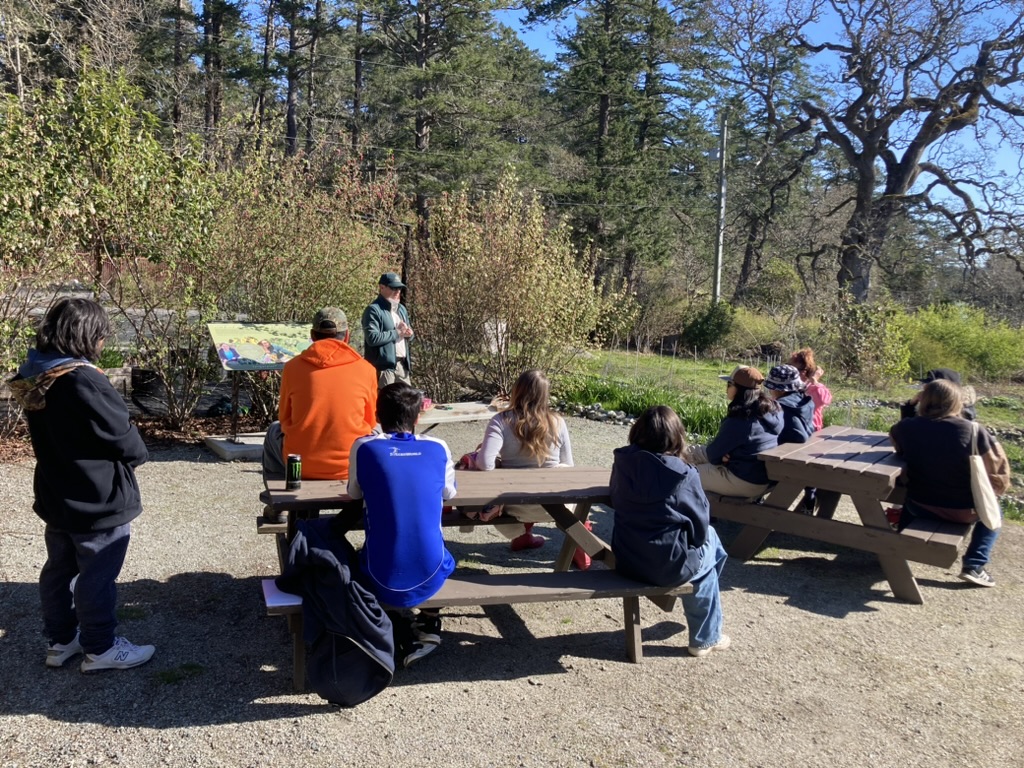
Native Plant Seed Saving Workshop with Parks Canada at Fort Rodd Hill

CALS692 Blog #2

IndigeMind is a go and we have just finished our third week of programming for our first ever cohort. The experience, thus far, has exceeded any expectations I may of had going into it. I anticipated it would take time for our community of participants to establish and our vision to come to life. Programs take time to develop but what I have experienced has been quite the opposite and I attribute this to the hours of effort put in to carefully crafting a program that is intentional, interactive, creative, and cultural. 

Proper cultural program development requires a sensitive approach. One that both honors and expresses gratitude for being in the position to hold and create space while upholding the sacred responsibility within the role. This is predominantly to insure that the “learning environment [is] relevant to community and culturally respectful to participants and [elders]”(Soaring Eagle Project, 2001). So many Indigenous youth lack immersion and relationship with the land and natural world and I have much pride in bringing to life IndigeMind while often observing in the background watching and learning as knowledge keepers share their immense wisdom. As Redvers (2020 ) notes “in order to promote wellness in Indigenous communities, it is vital to reconnect with cultural identity and practices within an Indigenous pedagogy” (p. 92). I am already witnessing how the youth come alive on the land and the impact it has on their lives. It brings me a great sense of purpose as a climate action leader. 

The current success of IndigeMind I attribute to our program model. That is, we believe in keeping the knowledge in the hands of the knowledge keeper and have partnered with one from the Sc’ianew Nation of Southern Vancouver Island to co-create and co-develop our first cohorts curriculum. In many ways, IndigeMind invests into our future Indigenous youth climate leaders while playing the role of a social enterprise by putting money back into community, valuing existing Indigenous leaders for their wisdom and sharing of knowledge. Our current contract with Cristina Armstrong of Stewards of Sc’ianew, an environmental and Indigenous led non-profit, goes until the end of August spanning the length of two full cohorts. As facilitators of IndigeMind, we will take the existing program curriculum and share it with our future partnerships as a model of what our program can look like while giving freedom to the knowledge keeper to bring in their own teachings and vision for the cohort they co-lead. Our intention is to change the location of each cohort so as to increase accessibility for all Indigenous youth in Southern Vancouver Island, both on and off reserve. As our program continues to grow, this same model will be applied. This, I believe, is a way for IndigeMind to grow beyond Vancouver island within any region in Canada where there is one of the 120 Friendship Centers. 

References 

Redvers, J. (2020). “The land is a healer”: Perspectives on land-based healing from Indigenous practitioners in northern Canada. International Journal of Indigenous Health, 15(1), 90–107. https://doi.org/10.32799/ijih.v15i1.34046

Soaring Eagle Project. 2001. Educating aboriginal youth using traditional ecological knowledge and western environmental science. https://web.archive.org/web/20080828010256/http://www.manitobamodelforest.net/pub lications/ombaashid.PDF

A New Journey – IndigeMind

CALS692 Blog #1

In the short time that I have been in my new role as Head of Climate action for the Victoria Native Friendship Centre and Lead of the IndigeMind Climate Action program I have been confronted with the realities and complexities of building an idea and vision from the ground up. It is not an easy feat and along with the inevitable obstacles comes the deeper understanding of the need for programs such as the one I am helping bring to life. There is a growing acknowledgement that traditional ecological knowledge and western science are both invaluable in the fight against a changing climate. Furthermore, the “founding [of] Indigenous Environmental Education programs within Indigenous Knowledge systems is one of the most important ways of strengthening culture, promoting environmental protection, the realization of sustainable local economies, and supporting students through healing and decolonizing” (Simpson, 2002, pp. 16-17). The current climate action movement, as I like to name it, calls for more Indigenous voices throughout climate action across every discipline, sector, institution, and governing body. IndigeMind was created for this reason and, specifically, to foster the next generation of Indigenous youth climate action leaders.

The IndigeMind program is the evolution of another program my colleagues and I ran out of the VNFC for a couple of years called Mind Medicine. We focused mainly on the mental health of Indigenous youth ages 13-18 and ran programs that aimed at self exploration, reconnection, and managing anxiety and stress. Although we were funded by the YMCA and given a very psycho-educational curriculum to teach to our youth, we soon realized that we needed to Indigenize Mind Medicine and its overly colonial curriculum. As noted by Fast et al. (2021) “the benefits of land-based learning range from centring Indigeneity and confronting settler colonial forms of education to regenerating intergenerational teachings and increasing the spiritual and cultural well-being of participants” (p. 121). We moved away from the textbooks and took the participants out onto the land. What we observed on the land was incredible. The simple observational exercises we led and discussions we held unveiled the true beauty of being out in the natural world. Simply put, when the kids were out in the trees and on the trails without their phones they were different. They opened up not only to the environment that surrounded them but to their true inner self. The pressures of our world left them and so did the immeasurable traumas that so many of them have faced. From this IndigeMind was born. It was birthed from the unavoidable need for more land-based and Indigenous-centric youth programming. 

In just two weeks time we will begin our first IndigeMind cohort. We have partnered with an eco-clothing company called Ecologyst in downtown Victoria that will be outfitting our cohorts from head to toe in high quality rain gear that will keep our participants dry during our programming days as they will run rain or shine. My colleague, Nadia Salmaniw, who is from the Haida Nation, will be leading the ‘blanketing’ ceremony of the youth as they get gifted from Ecologyst.

In addition to our partnership with Ecologyst we have also partnered with an organization called Stewards of Sc’ianew led by Director, Christina Armstrong from the Sc’ianew Nation. Our first cohort will be based on Sc’ianew land where Christiana will help with the organizing of traditional knowledge keepers and elders along with planning the locations of our first two ecological restoration projects that will involve invasive species removal and the reintroduction of native plants and traditional medicines. It is an exciting time and one I will continue to reflect on in future blogs. 

Onwards. 

References

Fast, E., Lefebvre, M., Reid, C., Deer, W. B., Swiftwolfe, D., Clark, M., Boldo, V., Mackie, J., & Mackie, R. (2021). Restoring Our Roots: Land-Based Community by and for Indigenous Youth. International Journal of Indigenous Health, 16(2). https://doi.org/10.32799/ijih.v16i2.33932

Simpson, L. (2002). Indigenous Environmental Education for Cultural Survival. Canadian Journal of Environmental Education, 7(1), 13-25. https://cjee.lakeheadu.ca/article/view/271 

My Climate Action Values


My value system is deeply connected to my outlook on life and the way I chose to walk this earth. However, values can be hard to live by at times. We are surrounded by distractions and stressors that can impede in our ability to live and act how we truly wish to. No matter how hard we try to filter through the clutter that surrounds us. Climate action is rooted in so many of the values that I believe in and, because of that, is a career path that has chosen me. 

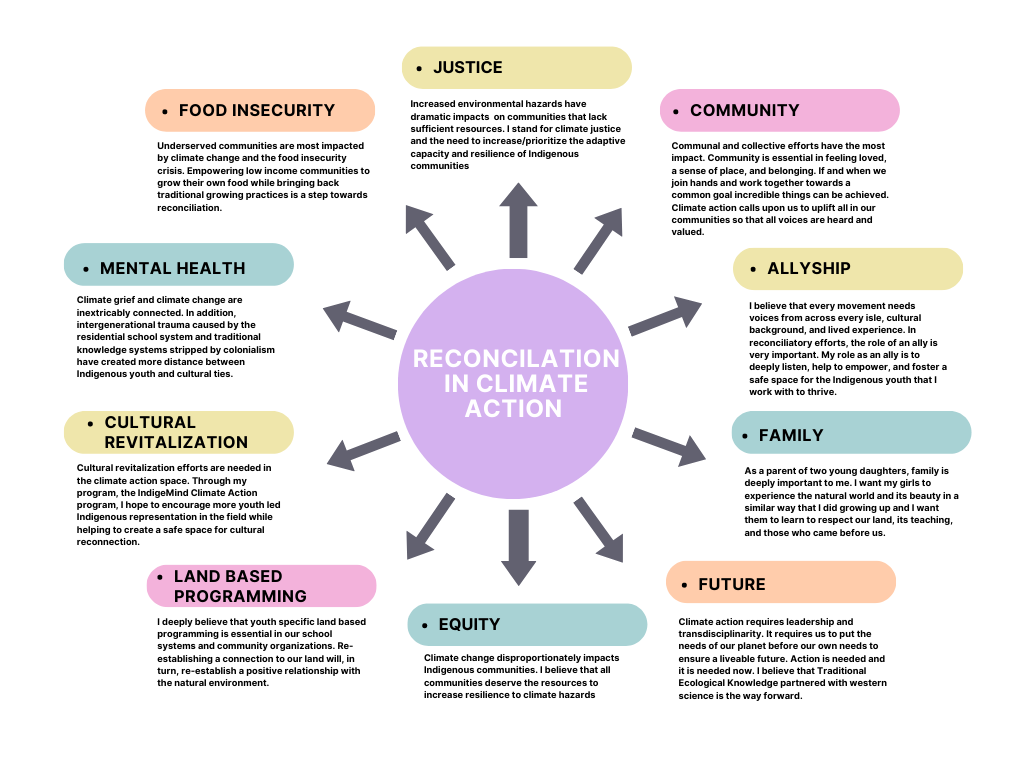
The concept map above portrays what is important to me in both my personal and professional lives. I am an ally and an advocate in my work with Indigenous youth and have been for a number of years. Allyship is deeply important to me. I recently was hired to design and run a youth centered climate action program for Indigenous youth, called the IndigeMind Climate Action program. It represents the intersection between mental health, cultural revitalization, and land based programming. To me, this is reconciliation in action. Helping to create and foster a safe space where re-connection to the self and the land can occur while fostering growth, education, and opportunity for our next generation of climate action leaders.

Climate action calls upon us to be just, equitable, and uphold cultural diversity as we continue to explore solutions to the complex and ‘wicked problems’ posed by climate change. I believe inclusivity, community engagement, and partnerships allow us to build a unified front so that we can adapt and built resilience. The unfortunate reality of our world is that underserved communities are most impacted by climate change. There is an increasing food insecurity crisis and a need for communities to develop more green spaces and prioritize local and regenerative food growing operations. Growing food connects people back to the land and allows for the sharing of traditional ways of knowledge from elders to youth. 

Family is a value that is deeply important to me and motivates me in the climate action work that I do. When I became a parent I was confronted with the realization that my children may not witness the natural world in the same day that I did growing up. This is more fact than opinion at this point, however, what I hope to pass on is a respect for the land and those who came before us. The understanding that living in harmony with the land, through a co-beneficial relationship, is attainable through conscious actions and viewing the natural world as an extension of ourselves. 

Through a combination of Traditional Ecological Knowledge (TEK) and western science I believe that we can help heal and repair some of the self-inflicted wounds we have subjected our planet to. In addition, it is a step in the right direction to heal relations with Indigenous communities and show the prioritization of acting in accordance with the Truth and Reconciliations Calls to Action and “establish…community based youth organizations to deliver programs on reconciliation [and climate action]” (TRC Calls to Action, 2015, p. 8). Action is a value that is rooted in my core and, more than anything, it shows what we truly stand for. As a climate action leader, I take it upon myself to live and act by my values to ensure a future for our planet and all who inhabit it. 


Truth and Reconciliation Commission of Canada. (2015). Truth and Reconciliation
Commission of Canada: Calls to Action. https://publications.gc.ca/collections
/collection_2015/trc/IR4-8-2015-eng.pdf